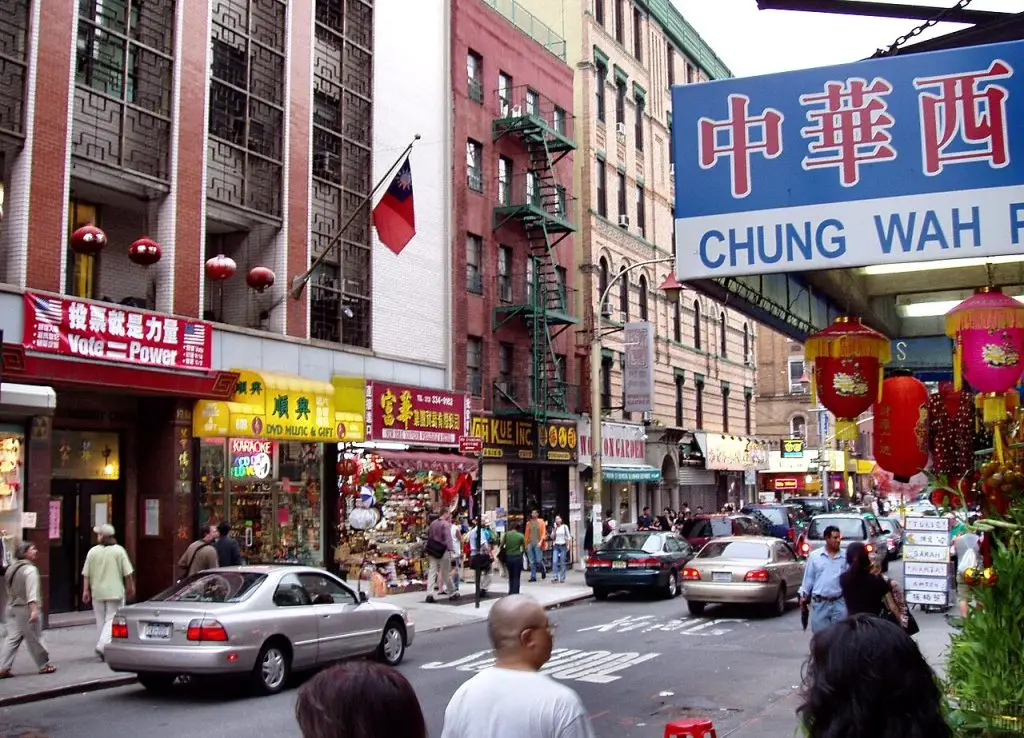
Chinatown New York is one of the most densely packed, noisy and rewarding neighborhoods in Manhattan. Fish stalls spill onto the sidewalk, bakeries sell warm egg tarts, and signs in Chinese cover nearly every storefront. It is also one of the oldest Chinese communities in the United States, and it keeps growing and changing alongside nearby Little Italy, the Lower East Side and Tribeca. Here is how to explore it well.
Where it is and how to get there
Chinatown sits in Lower Manhattan, roughly centered on Canal Street, Mott Street and Mulberry Street, and stretching toward the Bowery and East Broadway. Subway stations include Canal Street, served by several lines, Grand Street, and Chambers Street nearby. From Midtown, expect a subway ride of roughly 15 to 25 minutes. Check the MTA website for service changes, since weekend track work can alter routes.
The area is compact, so you can easily walk to the Brooklyn Bridge, SoHo, the Lower East Side or City Hall. Wear comfortable shoes and expect crowds, especially on weekends.
Streets worth walking
Mott Street
The historic spine of the neighborhood. Along it you will find restaurants, herbal shops, bakeries, souvenir stores and the Church of the Transfiguration, which serves a long-standing local congregation.
Doyers Street
A short, curved lane with a colorful past, now known for cafes, bars and old restaurants. It is a pleasant photo stop.
Canal Street
Known for crowded sidewalks, discount goods and street vendors. It is chaotic but entertaining. Be cautious about sellers of designer-brand goods that are almost certainly fake.
East Broadway and Eldridge Street
Farther east, the area feels more local, with Fuzhounese shops and community organizations. The Museum at Eldridge Street, in a restored synagogue, reflects the area’s earlier Jewish history.
What to eat
Food is the best reason to visit. Without naming restaurants that may change, here are dishes to look for:
- Dim sum, steamed dumplings and buns, usually served in the late morning and early afternoon
- Soup dumplings (xiao long bao), filled with hot broth, so bite carefully
- Roast duck and BBQ pork from the hanging counters
- Noodle soups and congee for a cheap, warming meal
- Egg tarts, almond cookies and bubble tea for dessert
- Fresh fruit at street stalls, including lychee or durian in season
Many places are cash-only or add a card fee, so bring some cash. Menus may be short in English but photos and pointing usually work. Queues are normal at popular spots, and they often move quickly.
Markets and shopping
Grocery stalls along Canal, Mott and Grand Streets sell seafood, vegetables and ingredients that are hard to find elsewhere. If you cook, buy sauces, noodles and teas. Herbal stores sell traditional remedies. Look at prices before buying, and ask if you do not know what a product is.
Culture and history
The Museum of Chinese in America (MOCA) explores Chinese American history and has exhibitions that connect the neighborhood to wider stories of immigration. Columbus Park is where locals play cards, chess and mahjong, and it is a good place to watch daily life. The Chatham Square area marks the historic edge of the neighborhood, and the Mahayana Buddhist Temple near the Manhattan Bridge is a visible landmark.
Festivals and when to go
Lunar New Year is the biggest celebration. Expect a parade, lion dances and firecracker ceremonies, with dates changing each year based on the lunar calendar. The Mid-Autumn Festival also brings events. Weekday mornings are calmer than weekends, which are busy all day. Evenings are lively and good for dinner.
Tips for visitors
1. Bring cash, small bills especially. 2. Keep your belongings close in crowds. 3. Ask before photographing people or stalls. 4. Try to eat where locals do, with busy tables and short menus. 5. Be careful when stepping off crowded sidewalks, as bicycles and delivery vehicles move quickly. 6. Combine your visit with SoHo, Little Italy or a walk to the Brooklyn Bridge.
Planning your time
A half-day is enough for a first visit: arrive at lunchtime for dim sum, walk Mott and Doyers Streets, stop at a bakery for dessert and visit a museum if you like. For a full day, add Chinatown to a larger Lower Manhattan route.
Official information
For visitor details about the neighborhood, events and transit, see NYC Tourism. Restaurants open and close frequently, and prices and hours change, so check official sources or business pages before you go.
Final word
Chinatown New York works best when you arrive hungry, slow down and let the streets lead you. Come for the food, stay for the markets, history and everyday scenes, and leave time to wander without a fixed plan. That is where the neighborhood shows its character best.
More to read
Image credit: Derek Jensen (Tysto) via Wikimedia Commons (Public domain).