You will see the signs the minute you step onto Dam Square: guides in bright shirts offering a free walking tour Amsterdam style, which means no ticket and a tip at the end. It sounds too good to be true, so here are the questions people most often ask, answered plainly.
Is it really free?
Yes and no. You do not pay upfront, and you do not book a fixed price. The guides earn their income from the tips of the group, so the tour is free to start but not free to finish. The idea is simple: if you enjoyed it, you pay what you think is fair, and if you did not, you walk away. Most guides are open about this at the start of the tour.
How much should you tip?
There is no official amount. Many guests give something comparable to what they would pay for a short guided tour in a smaller city, and many guides say that an average of about ten to twenty euros per person is common, but check what feels right. Students and budget travellers often give less, and people who loved the tour give more. Cash is handy, though some guides also accept card or mobile payment. Remember that the guide has spent two to three hours talking, and that tips are their wages.
What does a free walking tour Amsterdam guide usually cover?
Routes differ depending on the company and the guide, but a typical free walking tour Amsterdam visitors join covers the following in roughly two to three hours.
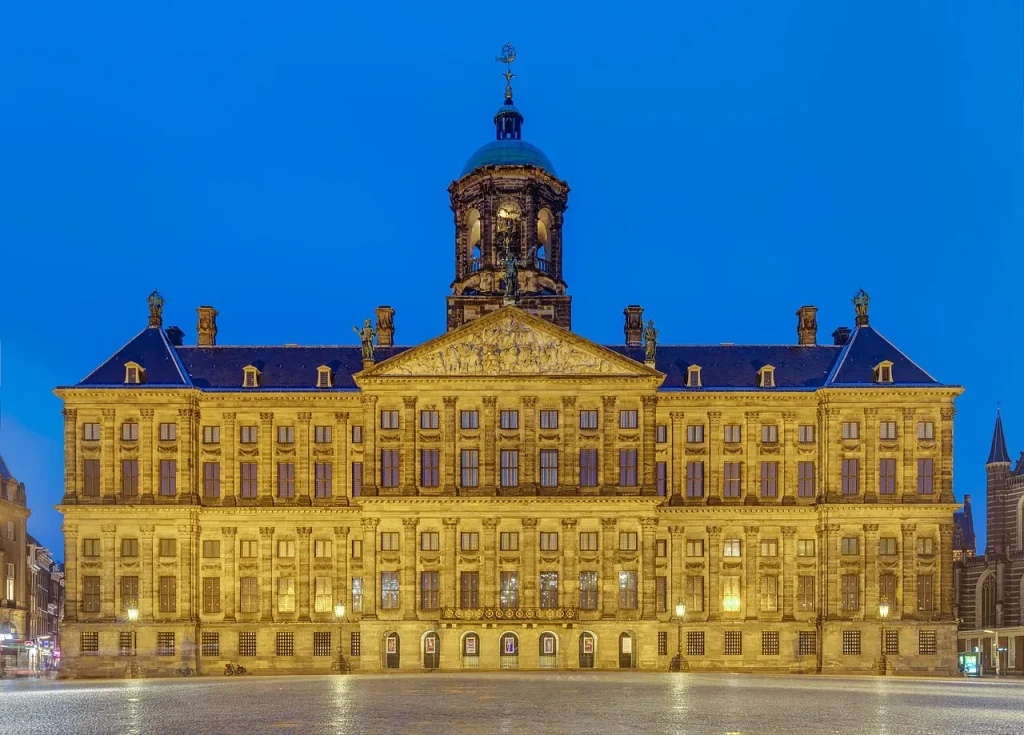
- The old centre around Dam Square, with a look at the Royal Palace and the New Church.
- The medieval core and the story of how a fishing village on a dam became a global trading city.
- The Begijnhof or another hidden courtyard, depending on the route.
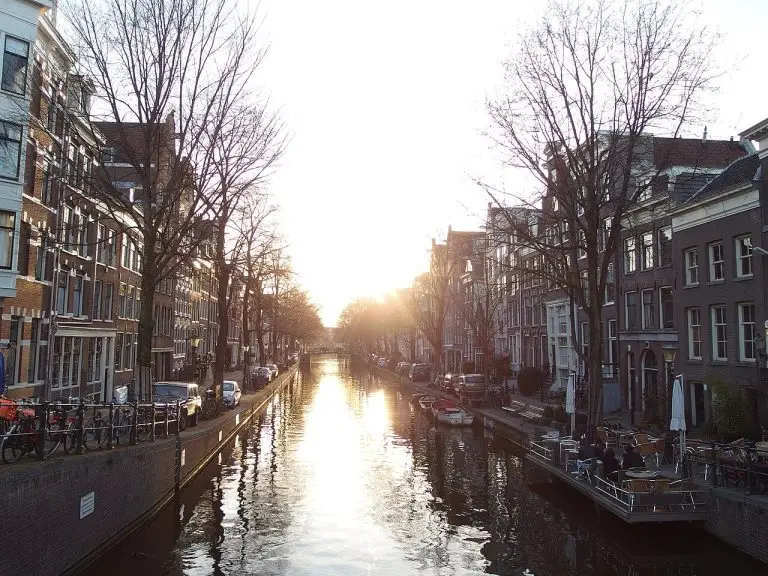
- A section of the canal belt, with explanations of why the houses are narrow and lean forward.
- The edge of the Red Light District and an explanation of the local approach to sex work, drugs and tolerance.
- Stories about the Golden Age, the Dutch East India Company and the Second World War.
Some tours specialise, such as in the Jewish quarter, the Jordaan, street art or the city’s food, so read the description before you join.
Meeting points
Many groups gather near Dam Square, the National Monument, or close to the Rijksmuseum, though this varies, so check the current meeting point on the organiser’s website. Arrive ten minutes early, look for the guide with a coloured umbrella or shirt, and confirm the name of the company before you follow anyone.
Good for whom?
The format suits solo travellers, people on their first day in the city and anyone who prefers hearing a story to reading a sign. It is also a good way to meet other travellers, since groups often chat during the walk. If you like to go at your own speed, take photos at every corner or dislike crowds, a self-guided walk or a small private tour may be better. Groups can be large, sometimes twenty people or more, and in busy periods that makes it hard to hear.
How to choose a good one
- Read recent reviews: look for comments about the guide’s knowledge, not just the price.
- Check the length: two and a half hours is common, so wear comfortable shoes and bring water.
- Look for small groups: some companies cap numbers, which helps.
- Book if possible: reservations are often free and guarantee a place on busy days.
- Be wary of pressure: a good guide never makes you feel guilty about tipping.
Etiquette on the street
Walking tours go through busy areas, so keep a few rules in mind. Do not take photographs of the women in the windows in the Red Light District; it is not allowed, and people react strongly. Stay out of the cycle lanes, because bikes ride fast and rarely stop for pedestrians. Keep your voice down in residential streets, where people live, and keep your phone and bag secure in crowds, since pickpockets work the busiest spots.
Free versus paid
A paid tour is usually smaller, can include entry to a site and may take you to places the free tour skips, such as a museum or a canal boat. A free tour gives you a broad overview and local tips at a flexible price. Many travellers do a free one on the first day, learn the layout of the city and then decide what to explore in more depth.
Whichever you choose, do it early in your trip. The stories and recommendations from the guide will shape how you spend your remaining days, and a few small tips, like which cafe to try or which street to avoid, are worth far more than the tip you leave at the end.
More from us: Amsterdam.
Featured photo: Diego Delso / Wikimedia Commons (CC BY-SA 4.0).