If you typed “netherlamd” while planning a trip, you were looking for the Netherlands, and the short answer is that it is a small, flat, well-connected country where you can see a lot with trains and a bike. For a first visit, base yourself in the western cities, add one quieter region such as Zeeland or the Wadden Sea coast, and go in spring or early autumn if you can. Here is how I would think about the Netherlands before booking anything.
The country in four moods
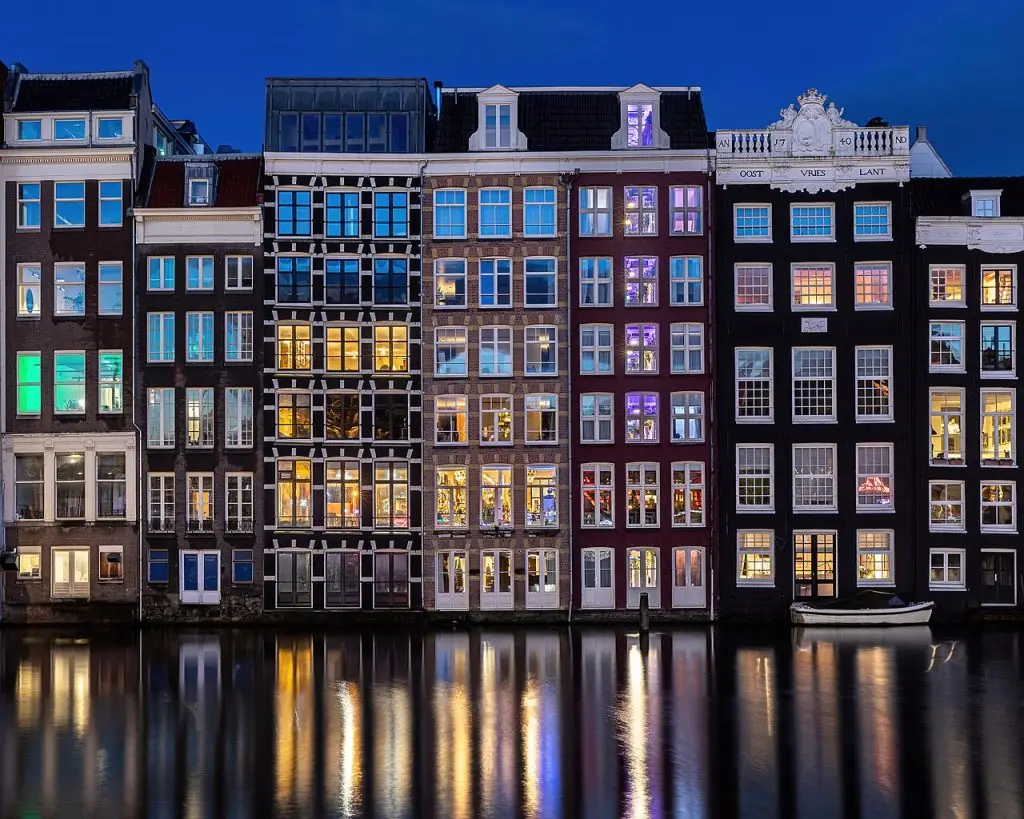
The western cities are the urban heart. The area known as the Randstad includes Amsterdam, Rotterdam, The Hague and Utrecht, all close together and linked by frequent trains. That is where most of the museums, canals and nightlife are. A first-timer who wants culture should give this area priority, and one regional guide recommends exactly that.
Then there is the coast. The Zeeland peninsulas in the southwest have sandy beaches, seafood and small walled towns. In the north, the Wadden Sea is a UNESCO-listed tidal area with islands that are good for walking, birds and big skies. One tour guide describes these islands as wild and the Zeeland coast as full of white beach houses. Both are quieter than Amsterdam, though they get busy in summer.
The east and south contain forests, heath, rivers and hills (the Netherlands has a few). That is where you go for cycling in national parks and for smaller cities with old centres, such as ‘s-Hertogenbosch and Maastricht. The country is compact, so it is easy to combine regions.
A small clarification: people say Holland for the whole country, but strictly it is two provinces, North and South Holland. The country is the Netherlands. Dutch people will not mind, but it helps when you read maps.
When to visit the Netherlands
Spring is the most-cited answer, especially if you want tulips. One source gives roughly mid-March to mid-May as the bloom window, and another suggests May or September as the best balance of weather, crowds and prices. Summer, from June to August, is high season and good for beaches, though rain is possible at any time of year. Winter is quiet and cheaper, with short days but cosy cafes and Christmas markets. Specific events like the Keukenhof flower garden have their own short seasons, so check the official site for each year’s dates.
Getting around the Netherlands
- Trains: the main cities are connected by frequent services, and the rail network is the easiest way to cover the Randstad. Check timetables and fares with NS, the national operator, because they change and I will not quote them.
- Bikes: the country is built for them. Rent one for a day in a city or in a national park. Follow the bike lane rules, because cyclists have priority and move fast.
- Cars: useful for Zeeland, the Wadden coast and rural areas where buses are sparse, but unnecessary and costly for cities. Parking in historic centres is expensive.
- Regional buses: fine in towns but thin in the countryside. Check schedules before committing to a remote overnight.
A simple week
This is a sample, not a rule. Swap cities freely, since the trains make it easy.
- Two or three nights in Amsterdam for museums and canals.
- A day each in Utrecht and The Hague, or a base in one of them.
- A day in Rotterdam for modern architecture, or a trip to the windmills at Kinderdijk, a UNESCO site.
- Two nights on the coast or in Zeeland if you have a car.
A guide I read suggests three to five regions for one to two weeks, because the real limit is attention rather than distance. I agree: the Netherlands rewards slow travel, and a day with a bike, a cafe and a canal can beat any list of sights.
Practical notes
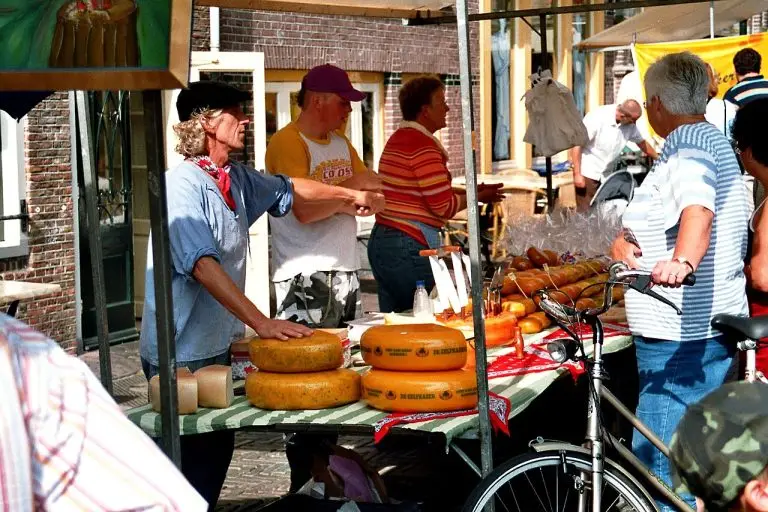
One more planning tip: many of the best moments in the Netherlands are small. A market square on a Saturday, a ferry across a river, a bench at the end of a dyke. Build in time for them, and resist the urge to cross towns off a list.
English is widely spoken, so language is rarely a problem, though a few Dutch words are appreciated. Cards are widely accepted, but carry a little cash for small markets. Bring a rain jacket in any season. For entry rules, visas and health information, check your government’s travel advice and the official Dutch government site, since I cannot verify requirements for your nationality. Whichever corner of the Netherlands you choose, plan loosely and leave room for weather.
For background, the Netherlands article on Wikipedia is a useful starting point.
Related reading: Is New York City Worth It? An Honest New NYC Worth Check · Things to Do in Lisbon at Night: Fado, Views and Late Bites