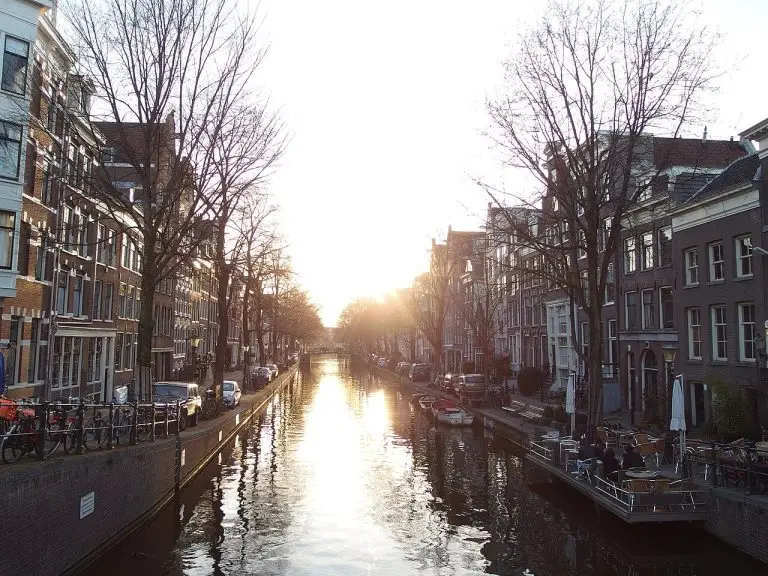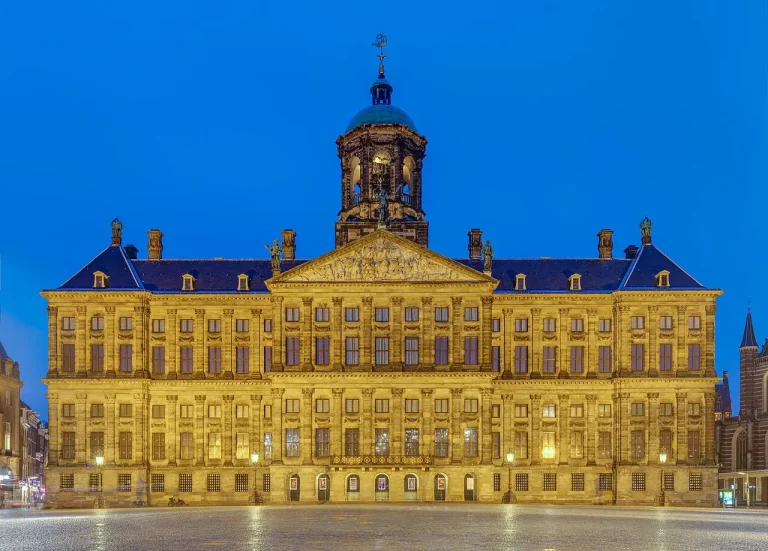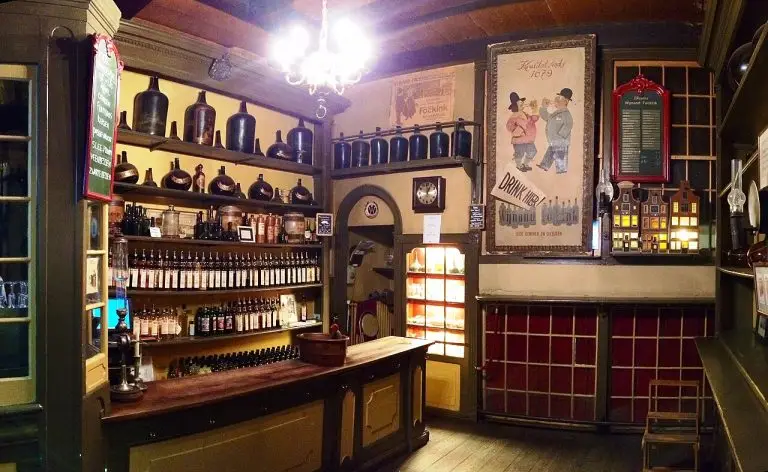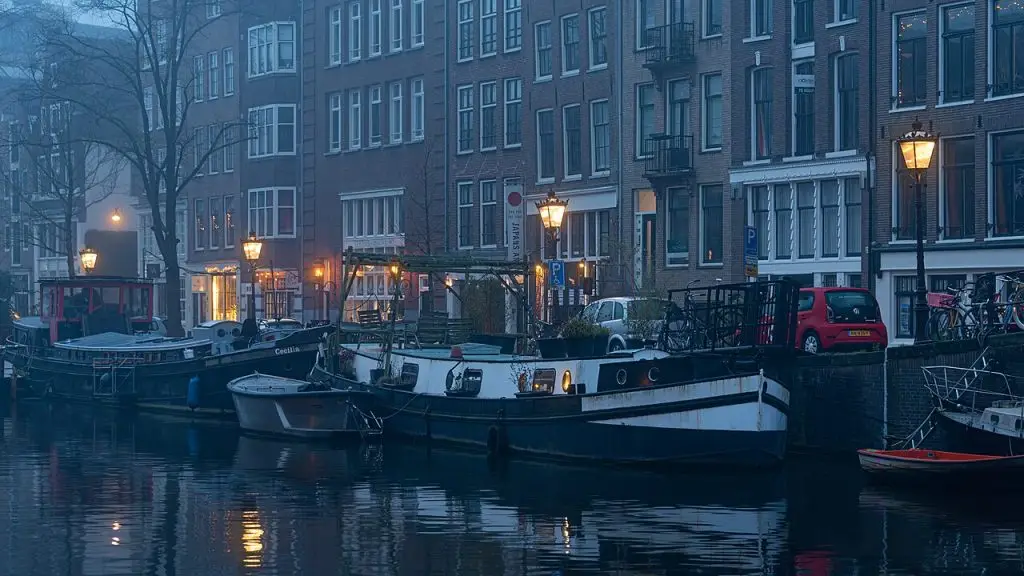
Boutique Amsterdam can mean two things, and the city happily delivers both: small, design-minded hotels tucked into canal houses, and independent shops selling everything from vintage clothes to local ceramics. Amsterdam suits this style well, because its narrow seventeenth-century houses are naturally small in scale. Big chain hotels have little room to grow in the old center, so character-driven places fill the gaps.
What makes a boutique hotel in Amsterdam different
Most boutique hotels here occupy one or several canal houses that were joined together. Expect narrow, steep staircases, rooms that vary a lot in size, and sometimes no elevator. That is part of the charm, but it matters if you travel with heavy luggage or have mobility needs. Ask before you book whether the building has a lift and whether the room you are reserving is on a high floor.
Typical features include:
- 10 to 60 rooms rather than hundreds
- individual interior design, often mixing historic beams with modern furniture
- a small bar or breakfast room instead of a large restaurant
- staff who can book restaurants, bicycle rentals and canal cruises
Rooms in canal houses are often compact. If space matters to you, look at the room dimensions listed, not just the photos, and consider a category up.
Where to stay
The Canal Ring
The Grachtengordel, a UNESCO-listed area of canals, is the classic location. Streets along Herengracht, Keizersgracht and Prinsengracht offer the postcard Amsterdam, with plenty of boutique stays. It is central but can get busy and a bit touristy around main bridges.
Jordaan
West of the canal ring, the Jordaan is a former working-class district full of small cafes, galleries and quiet lanes. Boutique stays here feel residential. It is an excellent base for walking and for the Noordermarkt market on Saturdays and the Lindengracht market.
De Pijp and the Museum Quarter
De Pijp is livelier, known for the Albert Cuyp Market and a wide range of restaurants. The Museum Quarter around Vondelpark is calmer and polished, ideal if your plans center on the Rijksmuseum and Van Gogh Museum.
Amsterdam-Noord
Across the IJ, Noord has converted industrial buildings, creative studios and some stylish stays. The free ferry behind Central Station makes it a short ride, and prices tend to be lower than in the canal ring.
Boutique shopping: De 9 Straatjes and beyond
If you want to shop in a boutique way, start with De 9 Straatjes (the Nine Streets), nine small streets between Prinsengracht and Singel. You will find independent fashion labels, vintage dealers, home goods, cheese and chocolate shops, and many cafes. It rewards slow wandering rather than a shopping list.
In the Jordaan, look for small galleries, concept stores and second-hand shops. For vintage clothing, the area around Utrechtsestraat and Haarlemmerstraat is worth a look. Opening hours differ from shop to shop; many open late morning and some close on Sunday or Monday, so check before making a special trip. Late-night shopping on Thursdays is still common in some parts of the center.
When to go and what it costs
Prices in a boutique hotel vary hugely by season and location. Spring (tulip season), summer and the December holidays are the most expensive periods; January and February are usually the cheapest. As a rough guide, central boutique stays are priced above mid-range chains, but many offer good value when you consider breakfast and location. Always compare the total price including the city tourist tax, which is added by hotels and changes periodically.
Book early for weekends, King’s Day on 27 April and major festivals. For the best deals try midweek stays and look at the hotel’s own website, which sometimes includes perks like a free drink or flexible cancellation.
Tips for choosing well
- Read recent reviews for noise: canal-side rooms may hear bar crowds, and courtyards are quieter.
- Check the stairs, lift and bed size, as European rooms can be smaller than expected.
- Ask about bicycle rental, but note that cycling in the center takes practice.
- Look for a hotel within a ten-minute walk of a tram stop, which saves time and money on taxis.
Beyond the center
Boutique does not have to mean the middle of town. In Haarlem, a short train ride away, small hotels and a charming shopping street offer a calmer alternative. Utrecht and Leiden also have attractive canal-side stays if you split your Dutch trip.
Official information
For maps, neighborhood guides and current events, the city’s official tourism site I amsterdam is the most reliable starting point. Prices, opening hours and tourist taxes change, so check official and hotel websites before booking.
The takeaway
A boutique approach to Amsterdam is about slowing down: sleeping in a restored canal house, shopping in small streets, and eating in cafes with only a handful of tables. Choose your neighborhood based on the atmosphere you prefer, check practical details such as stairs and noise, and book early for busy dates. You will end up with a much more personal trip than a big-hotel itinerary would offer.
More to read
Image credit: Jorge Franganillo via Wikimedia Commons (CC BY 4.0).