Living in Amsterdam is easier than most big cities in some ways and surprisingly hard in others. The short version: it is compact, safe, bike-friendly and international, but housing is tight, the weather is grey for long stretches, and the paperwork has its own rhythm. Here is what a well-travelled friend would tell you over coffee before you pack.
The housing reality
Start here, because everything else depends on it. Amsterdam has a shortage of rental homes, and competition is stiff. Many newcomers begin with a temporary or furnished rental, then look for something longer once they know the city. Be careful with deposits paid before you have seen a place, and be suspicious of anything that looks too cheap. Rules around rent levels and tenant rights are fairly detailed in the Netherlands, so read up on the current regulations rather than trusting a listing.
Expect small spaces. Staircases in canal houses are steep and narrow, which is why you will see furniture hoisted through windows on the hooks at the top of the gables. Check whether a flat has a lift if you plan to buy big items.
Neighbourhoods and their personalities
- De Pijp: lively, full of cafes and the Albert Cuyp market. Popular with younger people and often noisy at weekends.
- Jordaan: pretty, central, small streets, a village feel in the middle of everything.
- Oost (East): a mix of parks, Oosterpark and the Dappermarkt, with a relaxed, local atmosphere.
- Noord (North): reached by a free ferry behind Centraal Station, with a creative, slightly industrial edge and more space.
- West and Oud-West: close to Vondelpark, good for families and for quick tram links.
- Zuid: calmer and more upscale, near the Museumplein and Rijksmuseum.
Visit on a Tuesday evening and a Saturday morning before you commit. A street that looks charming at noon can be loud at midnight.
Getting around when you live here
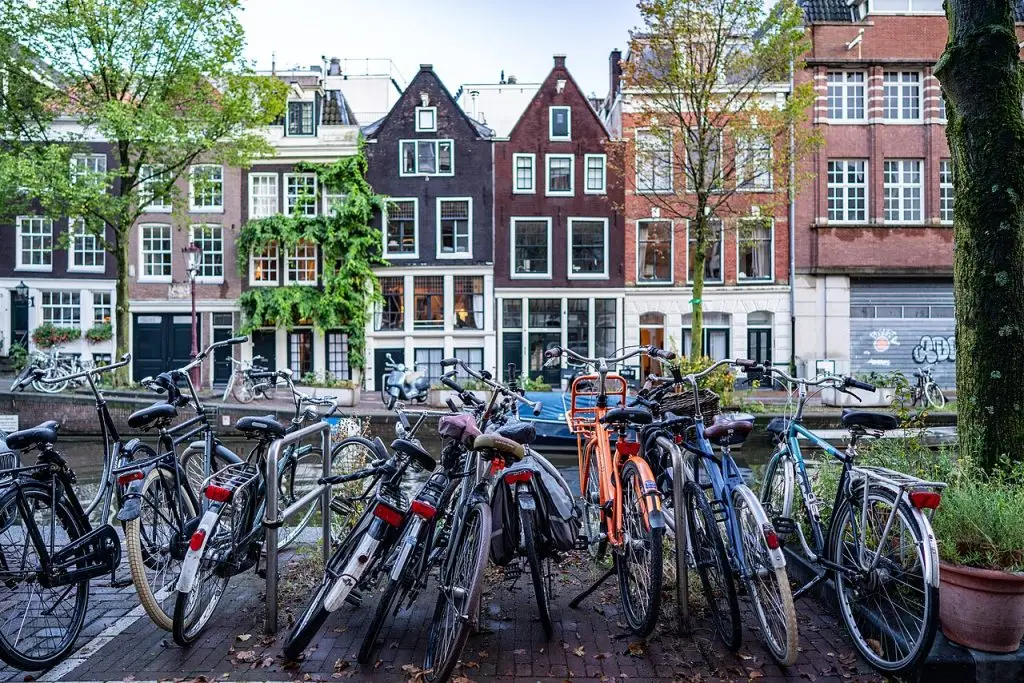
The bicycle is the city. Most people ride year-round, in rain, with a bag on the back and often a child in front. Buy a good lock, preferably two, because bike theft is a known problem. Learn the rules quickly: bike lanes are for bikes, not for standing in, and trams have priority. Public transport covers the rest, and you will use an OV-chipkaart or contactless payment where accepted. Check GVB and NS for current fare systems, since they change.
Paperwork and money
Newcomers usually need to register with the municipality, get a citizen service number known as a BSN, and arrange Dutch health insurance, which is compulsory for residents. A Dutch bank account makes daily life smoother, since many shops and services lean on local payment methods. Requirements depend on your nationality and visa, so check the official government and municipality sites for current rules rather than relying on forum posts. You can start with the national tourism and information resources at I amsterdam, which also points to practical guidance for people relocating.
Weather and the seasons
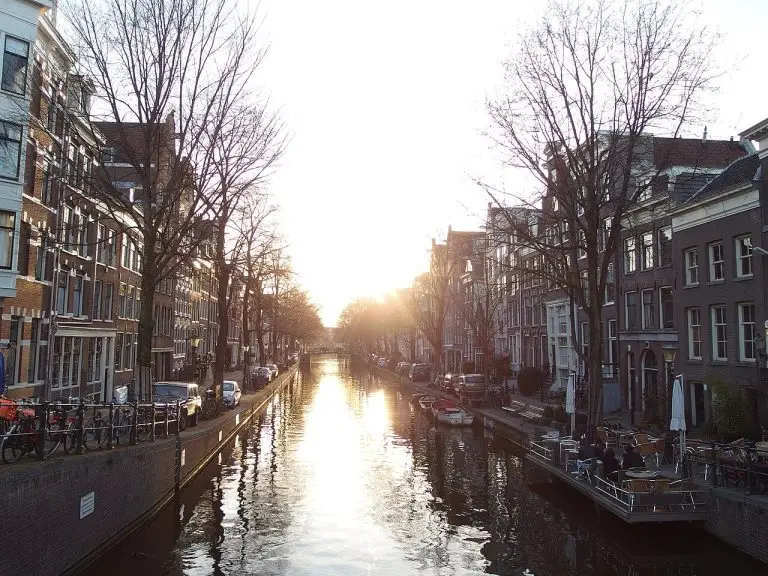
Summers can be lovely, with long evenings and terraces by the water. Winters are damp, dark and often windy. Pack a proper waterproof jacket and accept that an umbrella will not survive the wind on a bridge. The Dutch response is a mix of candles, warm cafes and a very serious attitude toward heating costs. Spring, with tulips nearby and the first sunny weekend turning the whole city outdoors, helps make up for it.
Social life and language
You can get by in English almost everywhere. That is both a gift and a trap, since it is easy to never learn Dutch. Make the effort, even badly. People respond well, and it opens up jobs, neighbours and bureaucracy. Dutch directness can feel blunt at first. It is usually not rudeness, just efficiency. Birthdays are a ritual of their own, with congratulations to everyone in the room, not only to the person celebrating.
Friendships can take time. Many locals have long-standing circles and calendars filled weeks ahead, so be ready to plan ahead and to join clubs, sports teams or language classes to meet people.
The cost of living in Amsterdam
Rent is the major expense, followed by health insurance and groceries. Everyday things like markets and supermarkets are reasonable by Western European standards, while eating out and going out add up. I will not quote exact numbers here since they shift every year, so look at current figures from official statistics and recent rental listings before you plan a budget.
Small things that help
- Get a bike and learn hand signals before rush hour.
- Join a local supermarket loyalty app for discounts.
- Learn to separate waste, since glass, paper and general waste have separate bins.
- Book doctors, dentists and municipal appointments early.
- Spend a few weekends exploring beyond the canal ring, including Haarlem, Utrecht and the coast.
Is it for you?
If you like cycling, history, compact cities and a quiet but real international scene, living in Amsterdam can be a great fit. If you need big spaces, reliable sunshine or cheap rent, think carefully. Try a few months in a short-term rental, walk different neighbourhoods at different times of day, and talk to people who already live there. The city rewards patience, and after a season or two most people stop noticing the canals and start noticing the small routines that make a place feel like home.
Photo: Nan Palmero from San Antonio, TX, USA, CC BY 2.0, source.