Toronto places to visit in winter are easier to plan than you might think, because the city mixes outdoor rinks and festive streets with a long list of museums, markets and underground walkways. Winters here are cold, usually with temperatures around or below freezing from December through February, and snow can arrive in bursts. Instead of hiding from it, you can build a trip that alternates short outdoor stops with warm indoor ones. This guide covers the best options and the practical details that make them work.
Skating and Outdoor Winter Fun
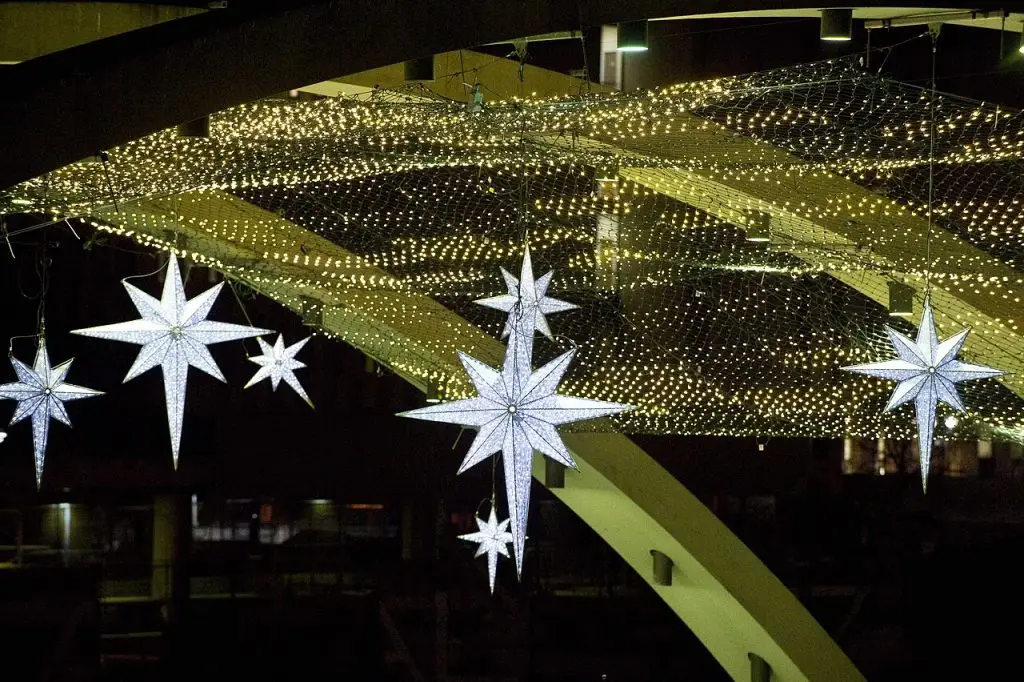
Skating is the classic winter activity in Toronto. The rink at Nathan Phillips Square, in front of City Hall, is free to use if you bring your own skates, and you can usually rent a pair on site for a fee. Harbourfront Centre also runs a rink by Lake Ontario, and there are many neighbourhood rinks across the city. Opening dates depend on the weather, so check the city website before you go.
If you would rather walk, the Toronto Islands offer a quiet winter landscape. Ferries run all year, though on a reduced schedule in the colder months. The skyline looks striking from the waterfront on a clear, cold day, but dress properly: wind off the lake makes it feel colder than the thermometer says.
The Distillery District
The Distillery Historic District, a pedestrian area of Victorian industrial brick buildings, is one of the most photogenic spots in winter. In the weeks before Christmas it often hosts a seasonal market, usually from mid-November to late December. Outside that period it still has galleries, cafes and small shops you can duck into. Dates and entry rules change, so confirm before you go.
Museums and Indoor Attractions
When temperatures drop, the museums become the best places to visit in Toronto in winter. The Royal Ontario Museum (ROM) covers natural history and world cultures, with a striking glass addition that makes the building recognisable. The Art Gallery of Ontario (AGO) has a strong Canadian collection plus European and contemporary works. Both are within a short walk or transit ride of each other.
The Hockey Hall of Fame is ideal for sports fans and sits near Union Station. Ripley’s Aquarium of Canada is a good option with children, since it is entirely indoors and stays warm. The CN Tower is open year-round, but visibility matters, so choose a clear day for the views and look at the weather forecast first. Booking timed tickets online can save time in the queue.
- ROM and AGO: good for a half-day each, so pick one if you are short on time.
- Hockey Hall of Fame: close to the downtown core, easy to combine with other stops.
- Ripley’s Aquarium: reliably warm and family friendly, though it can be busy on weekends.
Walking Underground: The PATH
Toronto has an extensive underground pedestrian network called the PATH, which links many downtown office towers, shopping concourses, hotels and subway stations. It runs for kilometres, so you can cross large parts of the core without stepping outside. It is not a single attraction, more a practical shortcut. The signage can be confusing, and many sections close in the evening and on weekends, so use a map and ask staff if you get lost.
Food Markets and Neighbourhoods
The St. Lawrence Market is a long-standing food market with fresh produce, cheese, seafood and bakers. The Saturday farmers’ market is a local tradition, and the building stays warm and lively on cold mornings. Opening days and hours vary, so check the official page.
Kensington Market is a lively neighbourhood of vintage shops and small food counters, and winter does not stop its cafes. Chinatown on Spadina Avenue is good for dumplings and hot soup after a cold walk. For a longer sit-down, try the restaurants along Queen Street West or in Little Italy along College Street.
Winter Events
Toronto often runs a winter dining promotion known as Winterlicious, typically in late January and early February, where participating restaurants offer set-price menus. Check the dates for your year, because they are announced annually. Winter also brings film, music and arts events in smaller venues, and the city’s sports teams give you a chance to see a game in a local arena, though tickets for hockey games can be pricey.
A Day Trip: Niagara Falls
Niagara Falls is roughly 90 minutes to two hours away by car or bus, depending on traffic and weather. In winter the falls partly freeze at the edges, spray turns to ice, and the crowds are smaller than in summer. Some boat tours do not run in the colder months, so check which attractions are open. Road conditions can change quickly in snowstorms, so keep an eye on forecasts.
Getting Around and Staying Warm
The TTC, Toronto’s transit system, runs subways, streetcars and buses, and you can pay with a contactless card or a Presto card. Downtown is walkable, but plan for short distances outside and longer ones by transit. Dress in layers, with a base layer, an insulating mid-layer and a windproof outer coat. Add a hat, gloves, a scarf and waterproof boots with good grip, as sidewalks can be icy. Lip balm and moisturiser help with dry indoor air.
Daylight is short in December and January, with sunsets around late afternoon, so plan outdoor activities for the middle of the day and save museums or dinners for later.
For official information about events, attractions and seasonal ideas, see Destination Toronto. Prices, hours and event dates change from year to year, so always confirm on official sites before you go.
Putting It Together
A sensible three-day plan might pair skating and the waterfront on day one, the ROM or AGO on day two with a market lunch, and the Distillery District or a Niagara day trip on day three. Keep an indoor backup for every outdoor plan, since weather changes quickly. With a few warm layers and a flexible schedule, the winter months are a rewarding time to see Toronto.
More to read
Image credit: The City of Toronto / Jose San Juan via Wikimedia Commons (CC BY 2.0).