Belgium is small, with a dense rail network, so its cities sit close together. That makes it unusually easy to see several in one trip. Choosing among the Belgium cities comes down to what you like: medieval canals, comics, fashion, beer, art or simple café life. Here is a plain guide to the main ones and how to combine them.
Brussels
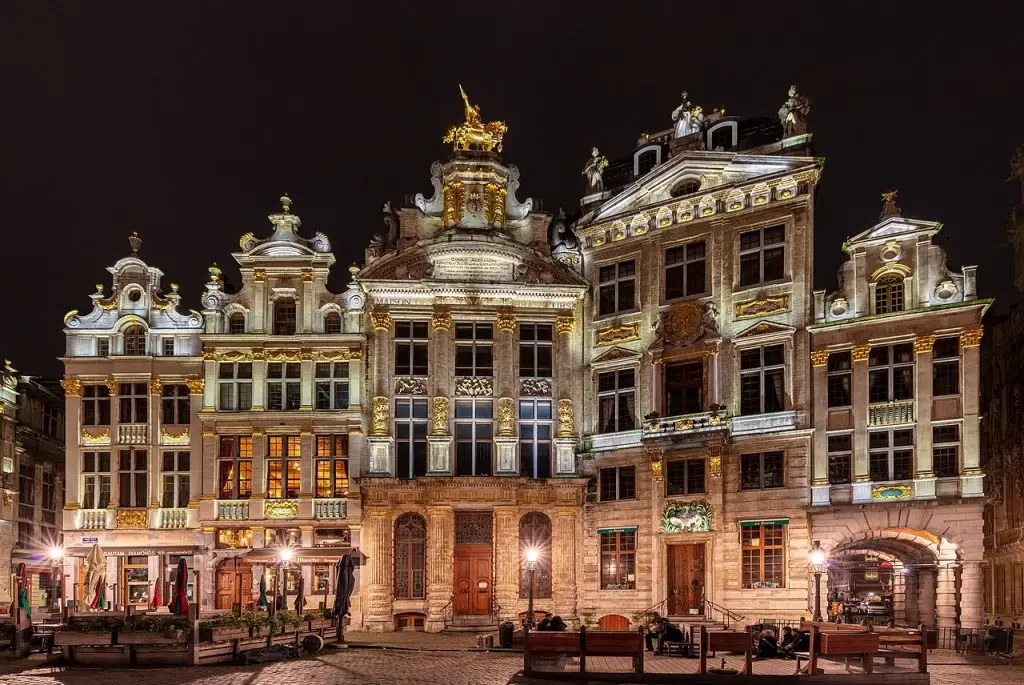
The capital is a mix of grand squares, institutions and neighbourhood life. The Grand-Place is the obvious starting point, a UNESCO-listed square ringed by guildhalls. Nearby you will find the Manneken Pis statue, chocolate shops and waffle stands. Beyond the centre, the Art Nouveau houses of Saint-Gilles and Ixelles reward a slow walk, and the city has a strong comics tradition with murals scattered across the centre. Brussels is also the main rail hub, so you can use it as a base for day trips.
Bruges
Bruges is the postcard city: canals, brick lanes and a market square dominated by the belfry. It is also crowded in peak hours, particularly when day-trippers arrive. Staying overnight gives you quiet mornings and evenings. Walk the canals, climb the belfry if you want views (expect a long staircase), and visit the Beguinage. Canal boat tours are short and fairly priced, though check current fares.
Ghent
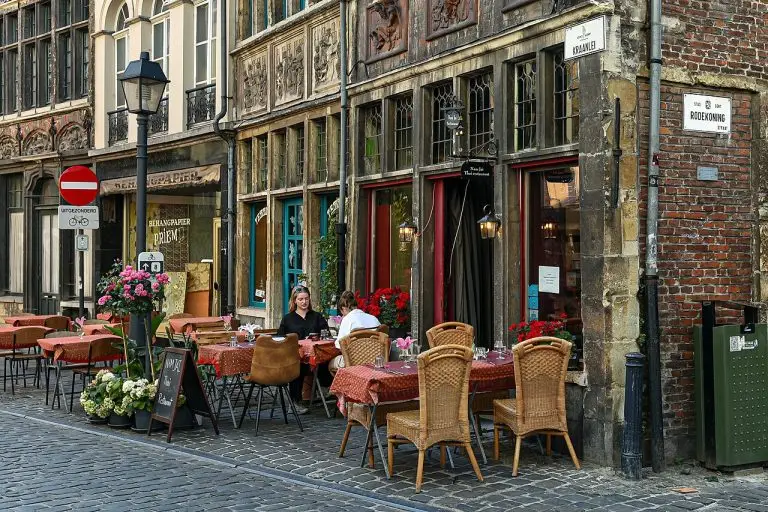
Many travellers prefer Ghent to Bruges because it feels like a lived-in city rather than a showpiece. The Graslei and Korenlei quays are lovely, the castle of the Counts is central, and the university gives the place a young energy. The famous Ghent Altarpiece is in St Bavo’s Cathedral. Ghent is also a strong choice for vegetarian food, which has a good reputation locally.
Antwerp
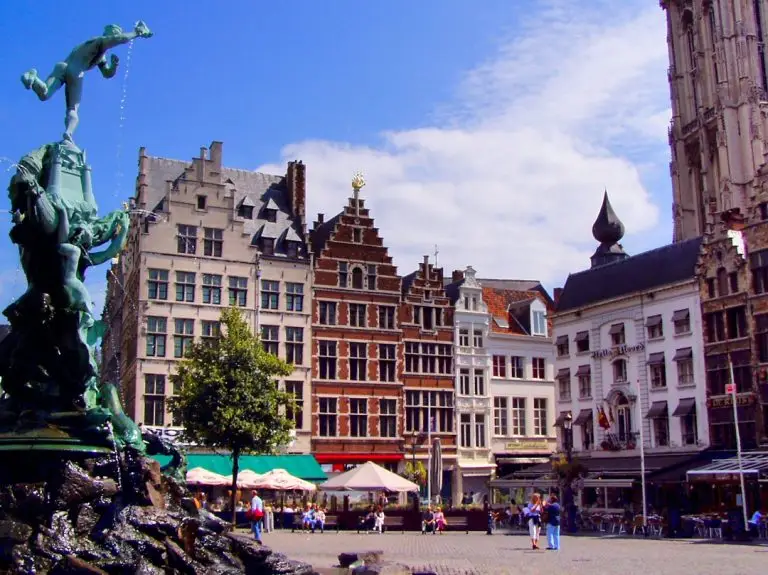
Antwerp is Belgium’s port and diamond city, and it has a stylish side too, with fashion boutiques and design shops. The central station is a spectacle in itself, with a grand domed hall. Rubens is the city’s great painter, and his house and the cathedral have works connected to him. The Het Eilandje district has museums and waterfront views.
Leuven, Mechelen and Namur
Smaller Belgium cities can be a pleasant change from the big names:
- Leuven is a student town with a spectacular town hall and a lively beer scene.
- Mechelen lies between Brussels and Antwerp and has a carillon tradition, a big cathedral tower and a relaxed atmosphere.
- Namur sits at a river junction in Wallonia, with a hilltop citadel.
- Liège has a famous staircase (the Montagne de Bueren) and a gritty, friendly character.
Choosing your route
For a first trip of four to five days, many people pick Brussels plus two other cities. A common combination is Brussels, Bruges and Ghent, since trains run frequently between them. If you prefer a more art-and-design focus, swap Bruges for Antwerp. With a week, add Leuven or Mechelen, or head to Wallonia for Namur and Dinant.
Getting around
Trains are the easiest way to move between Belgium cities, and ticketing is done through the national operator. Stations are central, and journeys between the big cities typically take under an hour or so. Check for weekend or off-peak discounts, and be aware that strikes sometimes disrupt services, so look at current notices. Within cities, walking, trams and bikes work well.
Seasons and timing
Spring and early autumn are comfortable and less crowded. Summer brings festivals, and Christmas markets add atmosphere in winter, though cold and damp weather is common. Pack a waterproof jacket regardless of the season, since showers are frequent.
Food and drink
You cannot talk about Belgium without mentioning frites, waffles, chocolate, mussels and beer. Ordering a small-batch Belgian beer in a traditional café is a ritual in itself, and many local brews are stronger than you may expect, so go slowly. Look for places where locals eat, away from the main squares, for better value.
Money and language
Belgium has three official languages: Dutch, French and German. Flanders in the north speaks Dutch (Flemish), Wallonia in the south speaks French, and Brussels is officially bilingual. English is widely spoken in tourist areas. Prices, hours and ticket rules change, so check official sources such as Visit Belgium for current details.
Final tips
1. Book Bruges accommodation early for summer weekends. 2. Buy museum tickets in advance for popular sites. 3. Keep some cash for small cafés, although cards are common. 4. Mix one famous city with a smaller one for balance.
The beauty of Belgium cities is how little effort it takes to change scenery. Eat breakfast in Brussels, lunch beside a Ghent canal and be back for dinner without any fuss. A flexible plan and a rail pass or a few single tickets are about all you need.
More to read
Image credit: Diego Delso via Wikimedia Commons (CC BY-SA 4.0).