

Talk of smart city technology often conjures images of gleaming towers and robots on every corner. The reality is quieter. The most important changes in how cities operate tend to be dull-looking infrastructure and software that make everyday things work a little better. Here are five that matter, with a realistic view of what each does.
Five examples of smart city technology in daily use
1. Connected traffic signals
Traditional signals run on fixed timers. Newer systems use sensors and software to adjust timing to real traffic. A signal can hold a green a little longer when a long queue builds up, or give priority to a bus running behind schedule.
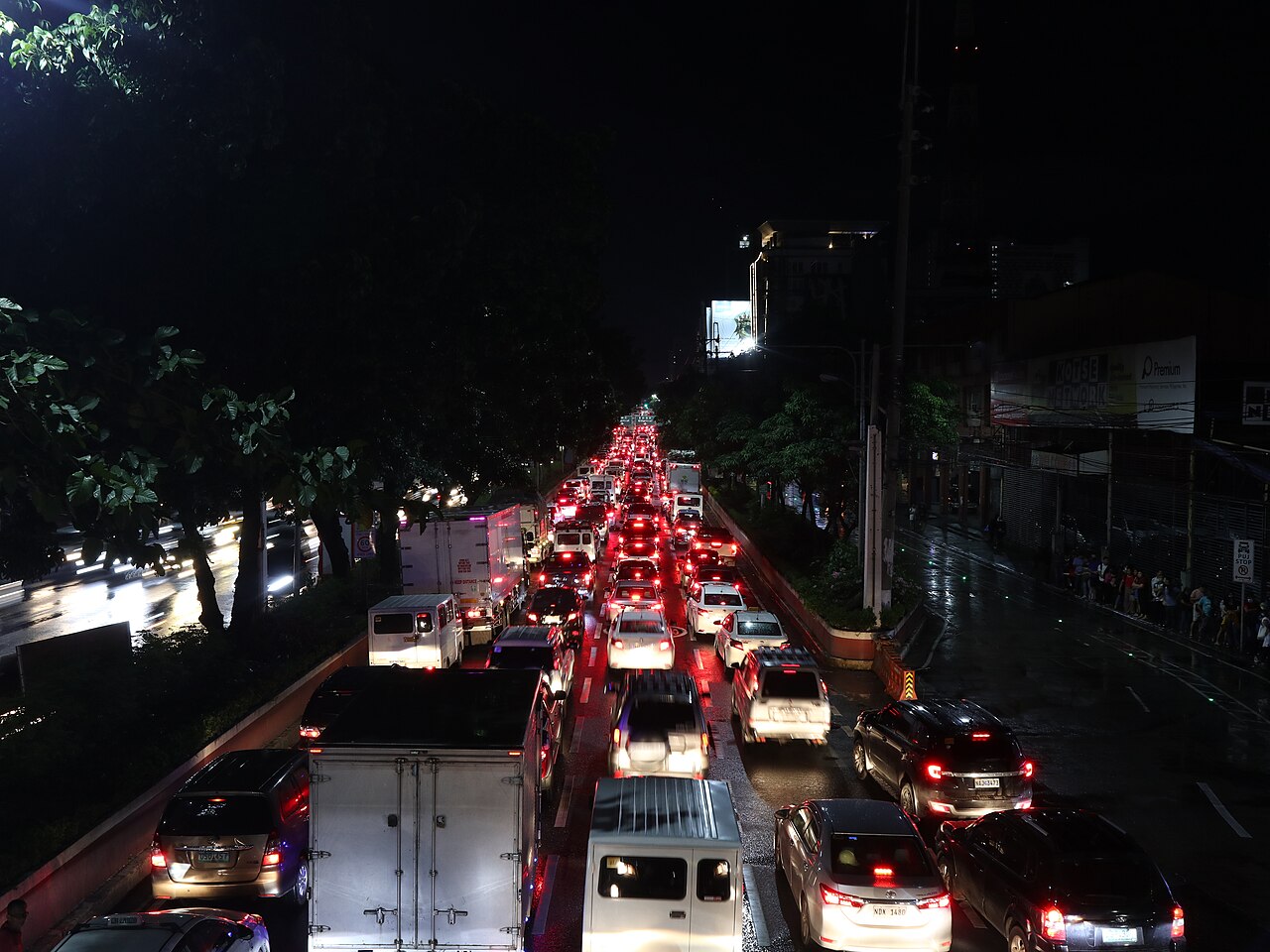
The gains are usually modest at each junction but add up across a corridor. Less idling means less wasted fuel and shorter journeys. It is smart city technology at its most practical, since drivers rarely notice it, they just wait less.
They also help emergency services. Some systems can turn lights green along a route when an ambulance or fire engine approaches, which clears the junction before the vehicle arrives. It is a small thing that can matter a great deal in a real emergency.
2. Open transit data
When a transit agency publishes its timetables and live vehicle positions in a standard format, developers can build apps that show when the next bus is really coming. Riders no longer stand in the rain guessing.
The idea is simple but powerful. Instead of one agency building every tool, many people can build useful ones. Open data also lets researchers and community groups study how services perform. The catch is quality: data must be accurate and kept current, or the apps built on it mislead people.
It also shifts expectations. Once riders can see real-time positions, they notice when the information is wrong, which gives agencies a reason to fix it. Public data tends to improve when many eyes are on it.
3. Electric and shared mobility
Charging points, bike-share stations and scooter parking zones are physical pieces of smart city technology that depend on software. Planners use usage data to decide where more chargers are needed and which streets are suited to bike lanes.
Here the technology and the street layout have to work together. A shared bike scheme with nowhere safe to ride will disappoint, however good the app. Done well, these options give residents choices beyond owning a car, particularly for short trips.
Cities also have to think about fairness. Chargers clustered in wealthy districts leave other residents behind, and shared vehicles that never reach outer neighbourhoods serve only part of the public.
4. Environmental sensing
Low-cost sensors, another form of smart city technology, can measure air quality, noise or flooding risk across a city. That helps officials see which neighbourhoods suffer most and whether a policy, such as restricting traffic in a district, makes a difference.
Sensors are only part of the story. Readings must be calibrated, compared against reliable reference stations and explained honestly. A map of coloured dots means little unless people know what the numbers imply and what will be done about them. Publishing results openly builds trust, particularly in areas that feel overlooked.
5. Digital public services
Paying a parking fine, reporting a broken streetlight, booking a bulky waste pickup or applying for a permit can now happen online. For residents, that saves queues and phone calls. For the city, it gives clearer records of what problems occur and how quickly they are resolved.
The important caveat for smart city technology is access. Not everyone has a smartphone, a fast connection or confidence with digital forms. Good services keep a phone line and a counter available, so nobody is shut out of basic rights because they are offline.
The questions that apply to all five
Whatever the project, a few questions help separate useful smart city technology from expensive decoration.
- Who benefits? Does it solve a problem residents actually have, or does it mainly impress visitors?
- Who owns the data? Is it held by the public, and is it protected?
- Is privacy respected? Cameras and sensors that track movement need clear limits and oversight.
- What happens when it breaks? Systems need maintenance budgets, not only launch events.
- Can it work with other systems? Proprietary tools that lock a city to one supplier can become costly traps.
Cities that ask these questions early avoid a lot of regret. A shiny pilot that nobody maintains, or a sensor network that quietly collects more than it should, can damage public trust for years.
Measuring success
A final point is patience. Many of these projects take years to show results, and an early pilot may look underwhelming. Judging them fairly means collecting before-and-after evidence rather than relying on a launch event or a press release.
The best test of smart city technology is whether daily life improves in ways people can feel. Do buses run on time more often? Are streets safer? Does a resident get an answer faster when reporting a fault? If the answer is yes, the technology is earning its place.
Notice that none of these five examples requires futuristic hardware. They rely on sensible planning, good data and reliable maintenance. That is encouraging, because it means any city, large or small, can make progress step by step. Smart city technology succeeds when it fades into the background and the city simply feels easier to live in.
For a neutral background reference, the Wikipedia article on Smart city is a useful place to start.
Related reading: Group Rides for Young Riders: How Shared Van Apps Work and How Online Marketplaces Work, and Why Big Retailers Buy Them.


