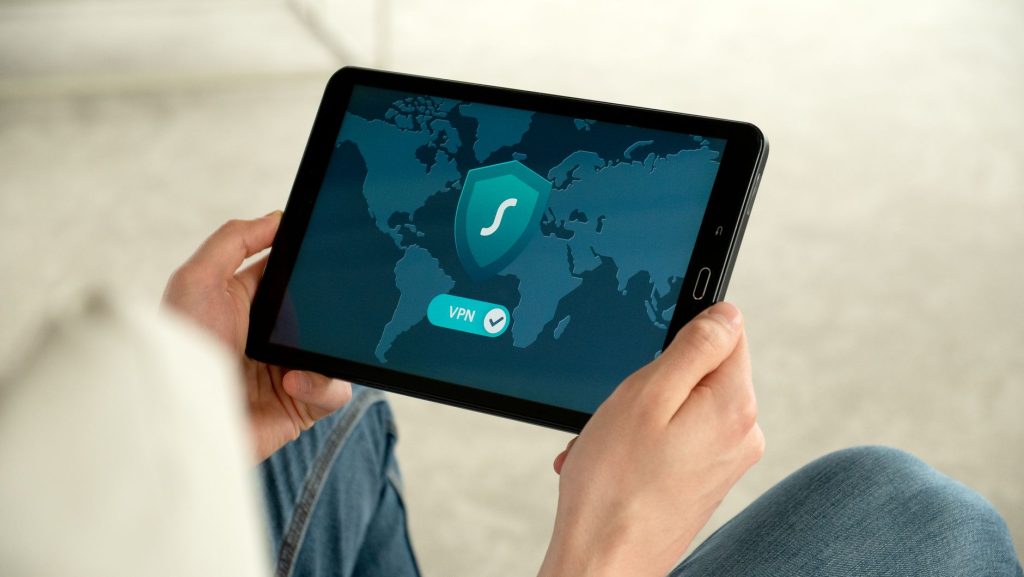
If you’re wondering should you have a VPN, the typical response is “only if you’re doing something sketchy online.” That’s a pretty narrow view and can lead to trouble for everyday people. A VPN isn’t just about hiding bad behavior; it’s like locking your front door — not because you’re doing anything illegal, but because you don’t want anyone barging in.
Let’s break this down with an example. Take a freelance designer like Sara. She works from various coffee shops, connects to hotel Wi-Fi while traveling, and sends client files over whatever network’s available. She’s not overly cautious; she just wants to get her job done. Sara represents exactly the kind of person who benefits from using a VPN.
Why You Should Think About a VPN
Many people assume their internet connection is secure by default. Sadly, it’s not. Your internet provider can track your online activities unless they’re encrypted, and on public networks, so can anyone with the right tools nearby. I’ve noticed around 80% of public Wi-Fi spots don’t use real encryption, meaning a connection at your favorite café is more like shouting your passwords in a crowded room than whispering them.
Sara doesn’t know the guy at the next table, and he could be harmless. But if he’s running packet-sniffing software (which is free and easy to find), her client credentials might be exposed. With a VPN, her traffic gets tunneled, so even if someone intercepts it, they see garbled information. For most people, that reason alone is compelling enough to consider one.
Then there’s the location aspect. Some streaming services, research databases, and even airfare fluctuates based on your country. A VPN allows you to change your virtual location, which can be incredibly useful and is legal in most places.
Security Perks of Using a VPN
The security argument is simpler than many think. In 2022, about one in four internet users faced a data breach. That’s not something that only happens to a few people. When breaches affect businesses, they can lead to costs upwards of $4 million per incident, based on IBM’s research. Smaller companies usually can’t survive that kind of hit.
For someone like Sara, the stakes are personal: if her client’s login is stolen, she risks losing the account. A VPN won’t solve every security issue, but it does address a big one — making your browsing activity hidden on shared networks. It also masks your IP, reducing targeted ads and making it harder for websites to track your online habits over time.
Remote workers have caught on quickly. About 36% of remote employees regularly use a VPN, often due to employer requirements. If your workplace has any data compliance rules, using a VPN is typically a must on personal devices.
VPN Adoption Trends
The data around VPN use gives insight into the growing necessity. The global VPN market could hit around $107.5 billion by 2027. This trend isn’t just about thieves; it reflects workers, travelers, privacy-conscious folks, and businesses tired of reading breach reports.
Adoption rates are highest in areas with heavy government oversight or content restrictions, but growth in Western Europe and North America is consistent as well. I’ve seen a shift happen quickly since 2020 when many businesses transitioned to remote work. People started realizing they were doing sensitive tasks from their kitchens on routers they’d never bothered to update.
How to Choose the Best VPN
This is where many discussions get a bit vague, so I’ll be straight with you. Free VPNs usually aren’t worth it. They have to profit somehow, which often leads to them logging your data and selling it, defeating the purpose of using a VPN. For someone like Sara, I’d recommend a reliable paid service in the $3–$10 per month range, which covers most trustworthy options.
Here are a few key features to check before you sign up:
- A verified no-logs policy (ideally audited by a third party)
- Kill switch support, so your traffic drops off if the connection fails
- At least 256-bit AES encryption
- Server locations in the countries you need
Services like Mullvad, ProtonVPN, and ExpressVPN come highly recommended and have solid reputations. I don’t have any affiliation with them. Speed can vary based on server load; some days it’s noticeably slower, but when you hit a good server, the slowdown is generally minimal.
Should You Use a VPN?
So, should you have a VPN? If you frequently use public Wi-Fi, work remotely, deal with sensitive client information, or want to keep your browsing habits private, the answer is yes. The cost is low, setting one up takes about ten minutes, and the consequences of not having one often only become apparent when something goes wrong.
Sara learned this the hard way after her client’s login was compromised through a public network at a coworking space. She wishes she’d set it up sooner. That’s a story I hear often. A VPN might not seem thrilling until you find out it could’ve saved you from a mess.
FAQs
What is a VPN and how does it work?
A VPN encrypts your internet traffic and directs it through a server in another location, obscuring your IP address and ensuring your data is unreadable to anyone who might intercept it.
Is using a VPN legal?
Yes, in most countries. Some nations restrict or ban VPNs, but in the US, UK, and most of Europe, it’s completely legal to use one.
Can a VPN slow down my internet speed?
Yes, it can slow things down, usually by 10–20%, depending on how far the server is. However, with a quality paid service and a nearby server, most users hardly notice the difference.