
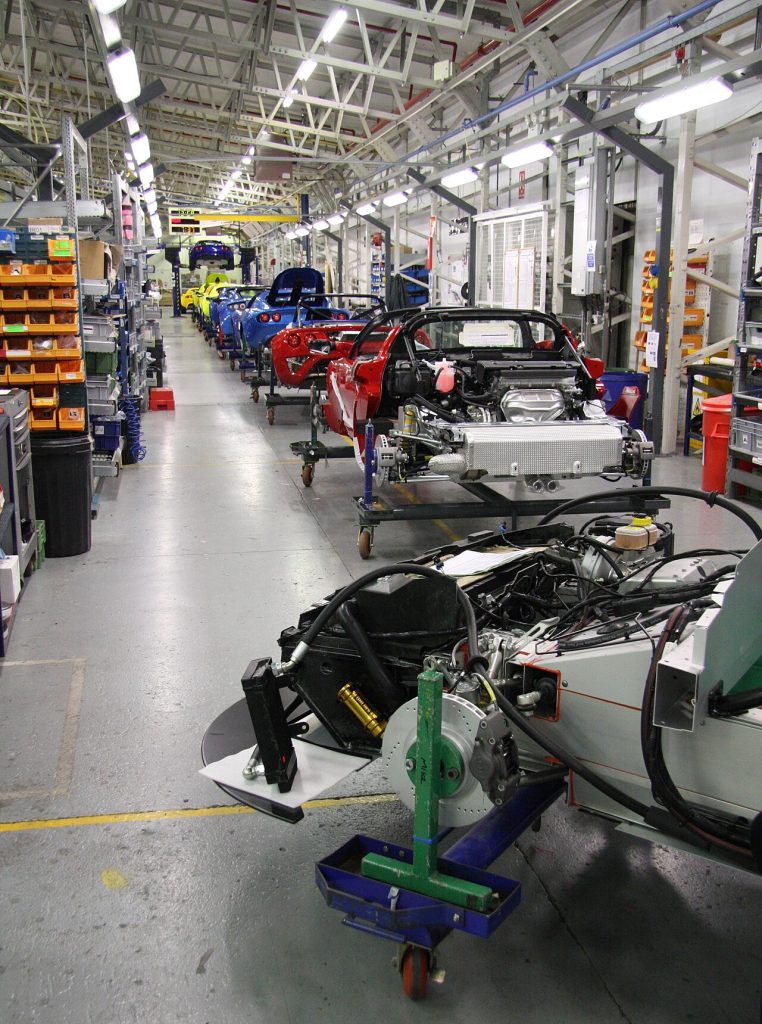
When a young electric vehicle company signs a deal with a big electronics or industrial manufacturer, the announcement usually sounds exciting. But what does EV contract manufacturing really involve, and why do startups go this route instead of building their own plants? Let us break it down without referring to any specific agreement, because the details of those deals matter and they change.
The basic idea behind EV contract manufacturing
EV contract manufacturing is a version of a very common business model. Contract manufacturing means one company designs and sells a product, while another builds it. You already use products made this way. Many phones, laptops and consumer gadgets are designed by one brand and assembled by a specialist manufacturer.
Applied to cars, the arrangement has several forms. The startup might supply the full design and let the partner handle assembly. Or the partner may share its own platform, the underlying chassis and electronics, which the startup adapts. Sometimes the partner also manages parts, quality checks and logistics.
In every version of EV contract manufacturing, the startup trades control for speed and lower upfront spending. It avoids building a factory, hiring thousands of workers and learning mass production from scratch.
Why startups choose this route
Think of it as renting capability instead of buying it. Building a car plant costs a great deal and takes years. For a company that has not sold a single vehicle, that is a serious risk. EV contract manufacturing offers several attractions.
- Lower capital needs. The startup spends money on design and sales, not buildings and heavy machinery.
- Faster launch. An existing manufacturer already has trained staff, suppliers and processes.
- Proven quality systems. Experienced partners know how to test, inspect and document, which regulators and customers expect.
- Flexibility. If demand turns out lower than hoped, the startup is not stuck with an idle plant.
- Focus. Small teams can concentrate on software, design and customer experience.
For the manufacturer, the benefits are different. A partner with spare capacity can fill its lines, enter the car industry and spread its fixed costs over more output. Electronics and industrial firms see electric vehicles as a growing market and want a way in. For them, EV contract manufacturing is a lower-risk way to learn the car business without launching a brand of their own.
The trade-offs and risks
These deals are not a shortcut to success. EV contract manufacturing comes with real challenges.
- Less control. Quality, timing and costs depend on another company’s decisions.
- Intellectual property. Sharing designs creates questions about who owns what and how secrets are protected.
- Volume commitments. Agreements may require minimum orders, which can hurt if sales are weak.
- Thin margins. The manufacturer takes a fee, which reduces what the startup earns on each car.
- Dependence. If the partner has problems or changes strategy, the startup may have few alternatives.
- Brand risk. A manufacturing fault still lands on the startup’s reputation, even if someone else built the car.
Cars are also more complex than gadgets, so EV contract manufacturing asks far more of both sides than building a phone does, with more parts, more rules and many more years of support to plan for. They need crash testing, safety certification in each market, and parts supply that lasts for years. A contract partner can help with some of this, and the best ones bring decades of quality experience and long-standing supplier relationships, but the startup remains responsible for the product.
What EV contract manufacturing means for buyers
If you are thinking of buying a car from a newer brand, it is worth knowing how it is built. Contract manufacturing is not a warning sign by itself. Plenty of well-known products come from partners, and an experienced manufacturer can produce high-quality vehicles.
But some questions are sensible to ask.
- Who builds the car, and where?
- Who is responsible for the warranty and for repairs?
- Where do spare parts come from, and for how long are they guaranteed?
- Who handles software updates and recalls?
- What happens if the brand and its manufacturing partner part ways?
The answers tell you how well the company has planned for the long term. A clear service network and a transparent warranty are good signs. Vague statements are worth noticing.
A pattern worth watching in EV contract manufacturing
As the car industry shifts toward electric power and software, more partnerships between startups, established carmakers and technology manufacturers are likely. Some will lead to successful products. Others will struggle with cost, quality or demand, in the same way that carmakers building their own plants do.
When you read about a new EV contract manufacturing deal, look past the announcement. Ask about volumes, timelines, who owns the design, and how the money flows. These details show whether the partnership is built on realistic plans or hopeful ones.
In short, this model lets startups reach the road sooner and with less capital, but it does not remove the hard parts of building cars. It moves them around. Understanding where they land helps you judge which new brands are likely to last. Before you buy, a quick read of how the company describes its production partners will often tell you whether EV contract manufacturing is a thoughtful choice or a rushed one.
For a neutral background reference, the Wikipedia article on Contract manufacturer is a useful place to start.
Related reading: Why So Many EV Startups Go Bankrupt, and What It Means for Buyers and How Ride-Hailing Apps Match You With a Driver in Seconds.


