A self-guided food tour Italy style needs no booking, no guide and no fixed price: pick one city, start at a market in the morning, eat small things at several stops, and follow the local rules about what is eaten when. The skill is less in finding secret addresses than in knowing the rhythm of an Italian day. Below is how I would build one, with three cities that suit the method.
The rules that make or break a food route
- Eat by the clock. Cappuccino is a morning drink for most Italians, and lunch usually starts after midday, with dinner after about eight in many places. Kitchens at traditional restaurants often close between lunch and dinner, so check hours on the door or the website.
- Stand at the bar. Coffee and a pastry taken standing at the counter is cheaper than at a table. In tourist areas, table service can add a surcharge.
- Watch for coperto. Many restaurants add a small cover charge per person. It is legal where it is shown on the menu, so read before ordering.
- Skip menus with photos in six languages. It is not a rule, just a decent warning sign near big monuments.
- Share. Order two or three things, then decide whether you want more.
Bologna: the easy first self-guided food tour Italy offers
Bologna sits in Emilia-Romagna, a region known for fresh pasta, cured meats and cheese, and the city is compact and walkable. Start at the market streets of the Quadrilatero, near Piazza Maggiore, where food shops and delis cluster. Then try these in order:
- Morning: a coffee and a pastry at a bar.
- Late morning: a tasting of mortadella, Parmigiano Reggiano and local cured meat at a salumeria. Ask for a small taste plate and a glass of wine.
- Lunch: tortellini in brodo, tagliatelle with ragù (what the world calls bolognese) and, in season, other fresh pasta. Note that locals do not serve ragù with spaghetti.
- Afternoon: walk off lunch under the porticoes, which are on the UNESCO World Heritage list.
Naples: pizza and street food
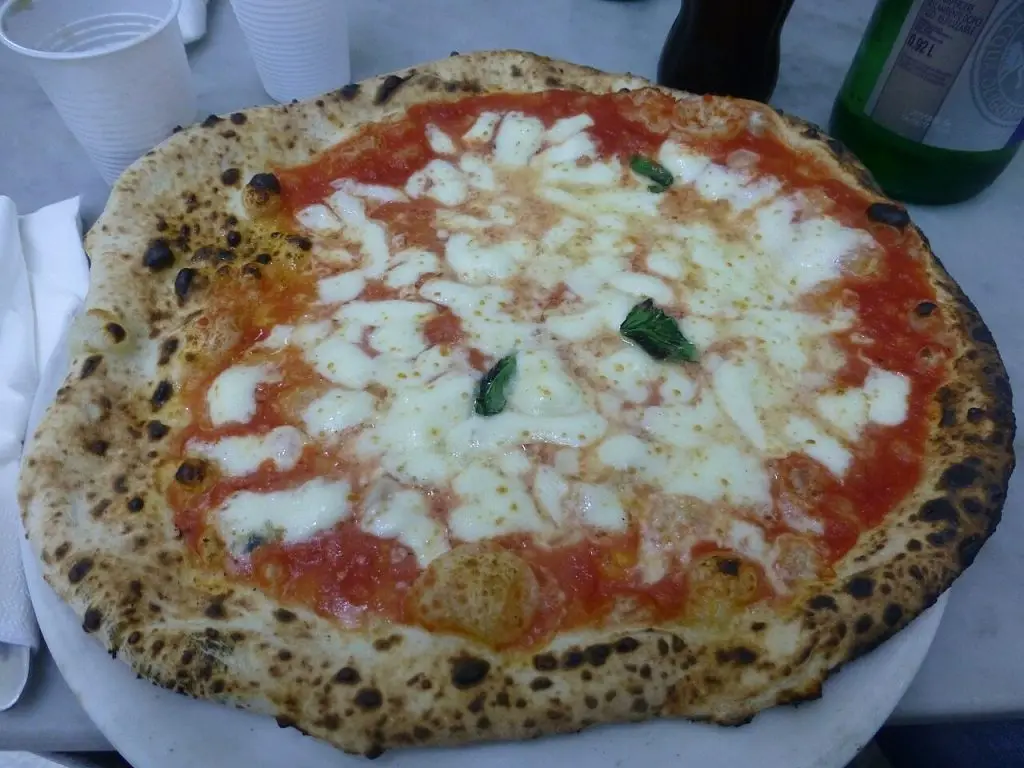
Naples is the home of pizza, and the traditional art of the Neapolitan pizzaiolo is recognised by UNESCO. A pizza here is soft, blistered and eaten with knife and fork or folded by hand, and a plain margherita is the benchmark. Many well-known pizzerias have queues, so go at an odd hour, such as early lunch or a late afternoon, or try the many smaller places.
Beyond pizza, look for fried street snacks (frittatine and fried pizza), sfogliatella pastry and strong coffee. Naples is lively and a little chaotic, so keep a hand on your phone and bag in crowded streets. Prices, queues and opening times change, so use recent reviews rather than a list from years ago.
Palermo: market-led grazing
Sicily’s capital is perhaps the best city in Italy for a self-guided food tour Italy fans can do without planning. The historic markets, including Ballarò and Capo, sell street food from stalls: arancine (rice balls), panelle (chickpea fritters), and in the morning granita with brioche in summer. Eat a little at several stalls rather than a lot at one. Hygiene and quality vary, so choose busy stalls with fast turnover.
Bring a short list
This is where a self-guided food tour Italy visitors enjoy most differs from a booked one: you can stop when you are full.
Write down five things to try before you go, then let the day decide the order. It helps to keep a note on your phone of what you ate so you can compare places.
Putting your own self-guided food tour Italy route together
- Choose one city and one theme such as pasta, street food, or markets and wine.
- Map the markets first. Most open in the morning and close by early afternoon, and many close on Sundays.
- Book one proper meal, and leave the rest unplanned.
- Ask locals. A shopkeeper or bar owner will usually point you to a place where they eat.
A final word on safety and allergies: if you have a food allergy, learn the key Italian phrases and ask directly, since street stalls may not know the ingredients. Opening hours and prices change often, so check each place before you walk across town. Done this way, a self-guided food tour Italy offers can be better value than a guided one and tells you more about how people really eat.
For background, the Italian cuisine article on Wikipedia is a useful starting point.
Related reading: Things to Do in West New York NJ: Skyline Walks and Food · amsterdam christmas market