When a pallet of vaccines or a container of electronics leaves a warehouse, the sender usually wants to know three things: where is it, is it okay, and when will it arrive? For years the honest answer was ‘we’ll find out when it gets there.’ Devices from companies like Tive have changed that by attaching small connected sensors to shipments. Here’s a plain-language tour of how real-time shipment tracking works and what it can and can’t do.
The basic building blocks of shipment tracking
A modern shipment tracking unit is a small battery-powered device, often about the size of a deck of cards or smaller, placed inside or attached to a shipment. It contains:
- A location module. Usually GPS or other satellite positioning, sometimes combined with cell tower and Wi-Fi positioning for indoor spots where satellites can’t be seen.
- A communications module. Cellular connectivity sends data to the cloud. Some devices use low-power networks designed for small, infrequent messages.
- Sensors. Temperature, humidity, light, shock and tilt are common. Light detection can reveal that a package was opened. Shock sensors record drops and rough handling.
- A battery and a processor that decides when to wake up, take readings and transmit.
The battery puzzle
Constant shipment tracking drains power quickly, and a shipment may be in transit for weeks. So designers use clever tricks. The device sleeps most of the time and wakes at intervals. It might use motion detection to ping more frequently while moving and less often when stationary. It may store readings and upload them in batches when a connection is available, which also helps in remote areas or at sea where coverage is patchy.
There’s an inherent tradeoff between update frequency and battery life. A tracker that reports every minute gives richer data but runs out sooner than one reporting every hour. The right choice depends on how valuable and sensitive the cargo is.
From device to dashboard: how shipment tracking data flows
Data flows from the tracker over a cellular network to cloud servers, where software cleans it and displays it on a map or dashboard. Users can set rules, such as an alert when a temperature reading leaves an acceptable range or when a shipment enters or leaves a defined area, known as a geofence. Many platforms also connect to existing systems, such as transportation management and warehouse software, so data feeds into planning.
What shipment tracking is used for
- Cold chain goods like pharmaceuticals, vaccines and food, where a few hours above a threshold can ruin an entire load.
- High-value goods such as electronics, where theft is a concern.
- Fragile or sensitive equipment, where shock and tilt data show whether handling was careful.
- Time-critical shipments where delays carry penalties.
Beyond the immediate alert, accumulated data helps with accountability. If a shipment arrives damaged, shock and temperature logs can help show where in the journey things went wrong, which matters for insurance claims and carrier contracts.
Choosing a shipment tracking setup
Not every load needs the same kind of shipment tracking. A pallet of ordinary goods may only need a location ping every few hours, while a box of temperature-sensitive medicine needs frequent readings and alerts the moment something drifts out of range. Start by asking what problem you are trying to solve: theft, delay, damage or spoilage. The answer decides how often the device reports, which sensors matter and how much you will pay per trip.
Think about the return trip as well. Some trackers are single-use and thrown away, while others are collected and reused, which changes the cost of shipment tracking per shipment. Reusable devices need a plan for getting them back, recharging them and keeping them from going missing themselves.
Where shipment tracking has blind spots
Even good shipment tracking has limits. Satellite positioning struggles inside metal containers and deep in warehouses. Cellular coverage disappears at sea and on remote roads, so readings may arrive late in a batch. Sensors measure the spot where the device sits, which may differ from conditions elsewhere in a pallet or truck. A temperature reading from the top of a stack is not proof that the bottom stayed cold.
Treat the data as strong evidence, not magic. The general idea of keeping goods within a safe temperature range is described in articles on the cold chain, and it is a useful reminder that tracking only helps when people act on alerts. A warning nobody reads protects nothing. Efficient shipment tracking also depends on solid back-end systems, much like the ones described in our piece on data center power and smarter systems, because the cloud side has to run reliably around the clock.
Predicting arrival times
Real-time shipment tracking also feeds estimated arrival time models. By combining position, speed, traffic, port congestion and historical patterns, software can forecast when cargo will actually arrive, not just when the schedule claimed. Better shipment tracking estimates let warehouses plan labor and let manufacturers avoid line stoppages. This is a big deal in just-in-time supply chains, where a late part can halt production.
Limits and challenges
Real-time doesn’t always mean instant. Coverage gaps, airline rules and port restrictions can interrupt data. Airlines require devices to follow regulations about radio transmissions during flight, so many trackers include an airplane mode that stops transmission at the right time. Cost matters too: devices, connectivity and software subscriptions add up, so companies usually reserve them for shipments where the value or risk justifies it. Reusable devices that get shipped back for reuse help, though returning them is a logistics task of its own.
Data volume and security are further concerns. Location data about valuable cargo is sensitive, so providers need strong encryption and access controls.
Questions to ask when choosing a system
- What are the update intervals, and how long does the battery last at that rate?
- Which regions and carriers does the connectivity cover?
- Are devices single-use or reusable, and what’s the return process?
- Does it integrate with the software we already use?
- How are alerts handled, and who responds at 3 a.m.?
Why it matters
Supply chains went through a rough patch in recent years, and many companies learned how little visibility they had. Tracking won’t fix a port jam, but it replaces guesswork with information. When you know a shipment is stuck, overheating or off course, you can act while there’s still time. That shift, from finding out afterward to reacting during the journey, is the real value of connected logistics.
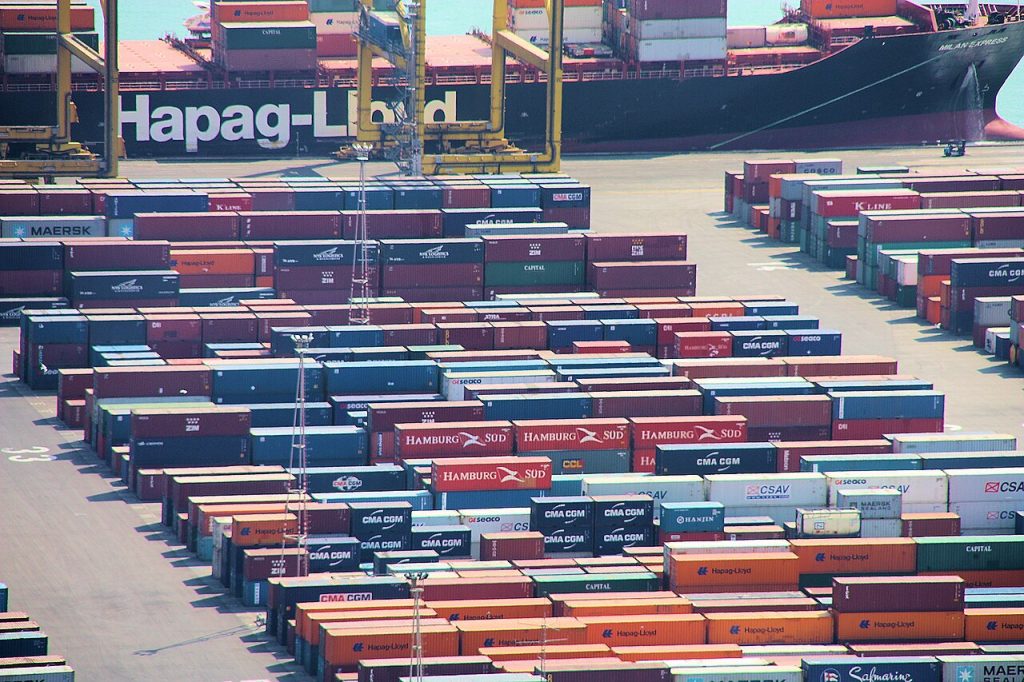
Featured image: 34 Shipping containers at Port of Barcelona, Spain.jpg by Marek Ślusarczyk (Tupungato) Photo portfolio, CC BY 3.0, via Wikimedia Commons.