If you are searching for mochi in NYC, you are in the right city. New York has a deep Japanese food scene, and mochi, the soft, chewy rice cake, appears in everything from traditional sweet shops to modern dessert counters and grocery stores. This guide explains what mochi is, which types to look for, where to start your search across the city, and a few tips to help you order well.
What Is Mochi?
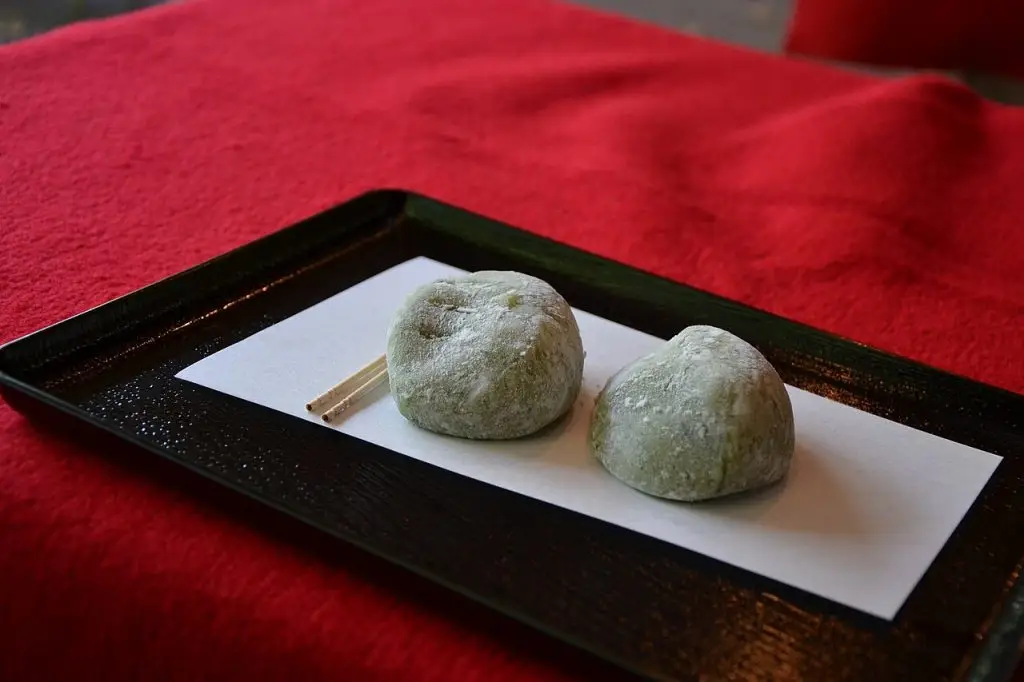
Mochi is made from glutinous rice that is steamed and pounded until it becomes a smooth, stretchy dough. It has a mild flavour and a soft, slightly sticky texture. In Japan, mochi has a long place in seasonal rituals, especially at New Year, and it appears in many sweets. The result is a family of desserts rather than one single item.
Common Types to Look For
- Daifuku: a round mochi filled with sweet red bean paste. Variants may contain a whole strawberry (ichigo daifuku), which is popular in spring.
- Mochi ice cream: small balls of ice cream wrapped in a thin layer of mochi. This style is often credited to the Japanese American company Mikawaya, in Los Angeles.
- Dango: skewered rice dumplings, often glazed with a sweet soy sauce.
- Kinako mochi: mochi dusted with roasted soybean flour, nutty and lightly sweet.
- Mochi donuts: a modern take with a chewy, springy texture, which has become a popular trend in many cities.
Where to Look for Mochi in NYC
The city’s offerings are spread across boroughs, and the best approach is to choose a neighbourhood and make a short food walk. Always check an establishment’s current address and opening hours, because small dessert shops open and close often.
Manhattan
The East Village and its surrounding streets have a long-standing cluster of Japanese restaurants, bakeries and cafes. This area is a good base for trying mochi sweets, matcha desserts and tea. Some Japanese tea houses in the neighbourhood serve mochi with tea as part of a dessert menu. Mochidoki, a Manhattan brand known for filled mochi ice cream, has operated stores and sells in specialty shops. Minamoto Kitchoan, a Japanese confectioner, has had a presence in the city for traditional wagashi, which are delicate sweets made with seasonal motifs. These shops are good for gifts because of their careful packaging.
Chinatown and Queens
Chinatown in Manhattan and the large Asian communities in Flushing, Queens, offer Chinese versions of glutinous rice sweets, such as sesame-filled rice balls and tangyuan. These are related but distinct from Japanese mochi, and it is worth trying both. Bakeries here often sell chewy rice-based pastries at low prices.
Supermarkets and Gift Shops
Japanese and Asian grocery stores sell packaged mochi, mochi ice cream, and seasonal sweets. Some larger supermarkets across the city now carry mochi ice cream in the freezer aisle. If you do not mind leaving Manhattan, the Mitsuwa Marketplace in Edgewater, New Jersey, is a large Japanese supermarket with a food court, reachable by bus from Manhattan. Check the schedule and routes before you go.
What to Order as a First-Timer
If you have never tried mochi, start with a simple daifuku or a plain mochi ice cream flavour such as vanilla, green tea, or strawberry. The texture is the main point, so do not judge by one bite. For a traditional experience, pair a piece of mochi with green tea, whose slight bitterness balances the sweetness.
Mochi ice cream is a gentle introduction because it combines a familiar flavour with the new chewy wrapping. Let it sit at room temperature for a minute or two to soften before eating, which improves the texture.
Practical Tips
- Chew carefully. Mochi is sticky and can be a choking hazard, especially for small children and older adults. Eat small bites and chew well.
- Eat fresh mochi on the day. Traditional mochi hardens within a day or two. Buy it close to when you plan to eat.
- Allergies. Some mochi contains nuts, sesame, soy, or dairy. Ask at the counter if you have allergies.
- Storage. Mochi ice cream should stay frozen. Bring a cooler bag if you plan to carry it far on a hot day.
- Cash and cards. Most shops accept cards, but small stalls may prefer cash.
Seasonal Mochi
Seasonality is a big part of Japanese sweets. In spring, look for sakura mochi, wrapped in a salted cherry leaf, and strawberry daifuku. In summer, mochi can come with fruit or in cold desserts. In autumn, flavours like chestnut and sweet potato appear, and winter brings New Year treats. Not every shop follows the Japanese calendar closely, but those that do offer a glimpse of the tradition.
Making Mochi at Home
If you want a souvenir of your trip, you can try making simple mochi at home with glutinous rice flour, sugar and water, steamed and then dusted with starch. Many grocery stores in the city sell the ingredients. There are also classes and workshops that cover Japanese sweets; check local listings for current schedules.
Planning a Food Walk
A good one-day plan is to start in the East Village for coffee or tea and a mochi sweet, continue to Chinatown for rice-based pastries and dumplings, and finish with an evening ice cream or a matcha dessert. Allow time for subway rides between neighbourhoods and choose comfortable shoes.
For background on the food itself, you can read the overview of mochi on Wikipedia. Shops, menus, prices and hours change often, so check each venue’s official page or social media before you travel.
Final Thoughts
Mochi in NYC rewards curiosity. You will find traditional wagashi, playful ice cream versions, and street-level rice sweets from several cultures, often within a short subway ride of each other. Try a few types, take your time with the texture, and use the food scene as a way to explore different neighbourhoods. A single afternoon can turn into a small tour of the city’s many cuisines.
More to read
Image credit: 2benny via Wikimedia Commons (CC BY 2.0).