Buying Amsterdam liquor sounds straightforward until you walk into a supermarket and find only beer and wine. The Netherlands has its own rules about who can sell what, and when. Add the city’s tourist-heavy centre, where bars and shops multiply, and you get some confusion. Here is a clear rundown of how it works, based on general rules that have been stable for some time. Laws and local limits change, so check current regulations before you rely on any detail.
The basic rules
The legal age to buy any alcohol in the Netherlands is 18. Before 2014 it was 16 for beer and wine, but that was changed, and shops are strict about it. If you look young, expect to be asked for ID, so carry a passport or national ID card.
Supermarkets and some convenience shops can sell beer and wine, which are weaker drinks. Stronger spirits, anything above 15 percent alcohol, can only be sold in dedicated liquor shops, called slijterijen in Dutch. Evening limits also apply to shop sales, and these have been tightened in recent years, so late-night shopping for alcohol can be hard. If you plan a party, buy earlier in the day.
Where to buy Amsterdam liquor
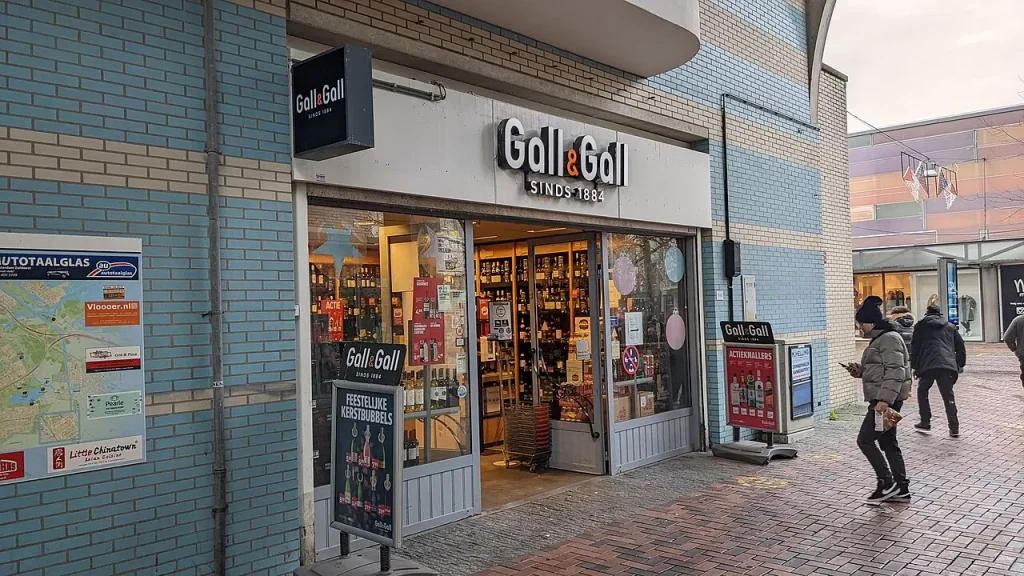
Look for a slijterij. Some are small independent stores, and others belong to chains, such as Gall & Gall, which has branches across the Netherlands. They stock whisky, gin, rum, vodka, liqueurs and Dutch products. Staff are often glad to give advice if you ask for a recommendation, and many shops sell gift packs.
For wine and craft beer, there are wine merchants and specialist bottle shops in the centre and in neighbourhoods like De Pijp and Oost. They may have better selections than a supermarket and are good for gifts. Prices vary with the shop and location, so check current prices and compare.
What about the airport?
Schiphol Airport has duty-free shops, which can be good value for spirits when you leave the EU. Travellers within the EU do not get the same duty-free benefits, so look at the actual shelf price. Also check the limits on how much alcohol you can bring home, since customs allowances depend on where you live.
Drinking in public: what to know
Many visitors are surprised that drinking on the street is not completely free. In Amsterdam, there are rules against public drinking in some areas, and police can issue fines. The famous red light district and busy centre areas have particular restrictions. Drinking at a cafe terrace is fine, but carrying an open can down a canal path can get you a ticket. Boats on the canals have their own rules, so ask the operator if you plan to bring your own drinks.
Bars and cafes are very much a part of Dutch life, so it is easy to drink in a more relaxed setting. A brown cafe, with its dark wood and low lights, is the classic place for a beer or a glass of local spirit.
Dutch spirits worth trying
The big local drink is jenever, the juniper-flavoured spirit that came before modern gin. It comes in young and old styles. The old style is smoother and often sipped neat, while the young style is lighter. In Amsterdam you can taste it in traditional tasting houses, some of which have been around for centuries. Wynand Fockink is a famous example, where jenever is served in small glasses that are filled to the brim, so you lean over to take the first sip without lifting the glass.
- Jenever: try it ice cold with a herring or cheese as a local pairing.
- Advocaat: a thick egg liqueur, often spooned over desserts.
- Local craft gins and beers: the city has a growing scene of small distilleries and breweries.
Tips for buying and carrying
If you want a bottle to take home, ask for it to be packed securely for your luggage, or buy at the airport. Remember that liquid limits in hand luggage apply on flights, so a bottle from a city shop will need to go in checked baggage. Keep receipts in case of customs checks.
Finally, be careful about buying alcohol from street sellers or unlicensed vendors. Counterfeit products exist, and it is not worth saving a few euros. Stick to licensed shops, check the sealed cap and enjoy what you buy responsibly. With a little planning, the Amsterdam liquor scene is easy to enjoy, from a proper tasting at a historic house to a bottle of local gin for the shelf at home.
More from us: Food & Drink.
Featured photo: Donald Trung Quoc Don (Chữ Hán: 徵國單) – Wikimedia Commons – © CC BY-SA 4.0 Intern / Wikimedia Commons (CC BY-SA 4.0).