Yaroslavl is one of the oldest cities on the Volga and a classic stop on Russia’s Golden Ring, the loose circle of historic towns north-east of Moscow. Its historic centre is on the UNESCO World Heritage list, and the mix of colourful churches, a long river embankment and a relaxed pace makes it a favourite for people who want old Russia without the scale of Moscow. This guide covers what to see, how the city is laid out and how people usually plan a visit.
Before anything else, check your government’s current travel advice and entry rules for Russia, since conditions and restrictions can change quickly. Everything below is general background to help you understand the city.
A short history
Yaroslavl is traditionally dated to the early eleventh century, and the name is linked to Yaroslav the Wise. The city grew rich through river trade in the seventeenth century, and that wealth paid for a remarkable burst of church building. Merchants competed to build elaborate churches with patterned brickwork, glazed tiles and frescoes, and many of them survive. That is the reason the old town earned its UNESCO status.
Where the old centre is
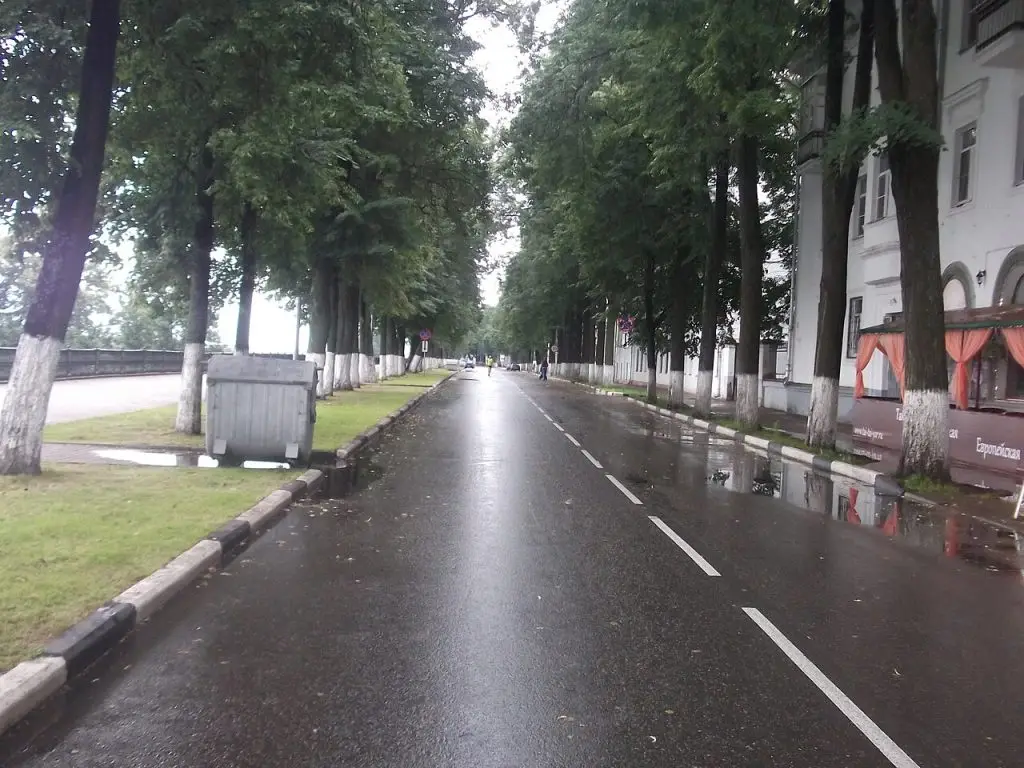
The historic core sits where the Kotorosl River meets the Volga, in a green area called Strelka. The park there has views across the water and is a pleasant place for a walk at the end of the day. From the point, a long embankment runs along the Volga, lined with trees and benches.
Main sights
- Spassky Monastery. This fortified complex is among the oldest buildings in the city, with thick walls, towers and a cathedral. It also houses museum displays.
- Church of Elijah the Prophet. Famous for its frescoes and the tall tent-shaped belfry, this seventeenth-century church is the one that appears on the most postcards.
- Church of St John Chrysostom at Korovniki. Another example of the richly ornamented merchant church style.
- Volga Embankment. The best place to just stroll, people-watch and enjoy the river.
- Governor’s House and the art museum. A good rainy-day option with regional art.
The sights are close enough that you can see most of them on foot in a day, though two days feels more relaxed.
How to get to Yaroslavl
Most visitors come from Moscow. Trains from Moscow’s Yaroslavsky station take roughly a few hours, and the line is one of the busiest in the country. Buses also run, and driving is possible. Always confirm timetables and booking rules locally, as they vary. Within the city, trams, buses and taxis are available, though the old centre is compact enough to walk.
When to go
Summer brings long days and river life, with boats and open-air cafés. Early autumn colours the embankment parks, while winter is cold and snowy, but the frosted church domes can be striking. Spring tends to be muddy as the snow melts. Whichever season you pick, bring layers and good shoes, since pavements can be uneven.
What to eat
Expect hearty Russian fare: soups such as borscht and shchi, pelmeni dumplings, blini with various fillings and plenty of dairy. Local restaurants often offer set lunches at lower prices than evening menus. Try the regional sweets and tea in a café near the embankment. If you have dietary restrictions, learn a few phrases in Russian or keep a translation app ready, because English is not widely spoken outside a few tourist spots.
Day trip or overnight?
People ask whether Yaroslavl works as a day trip from Moscow. It can, if you take an early train and focus on Strelka, the Spassky Monastery and Elijah the Prophet church, but you will be rushed. An overnight stay lets you see the embankment at sunset and visit museums without clock-watching. The city also works as a base for nearby Golden Ring towns such as Rostov Veliky and Uglich, which have their own kremlins and lakeside scenery.
Tips for visitors
1. Carry some cash and a card, but do not rely on foreign cards working everywhere. Ask your bank in advance. 2. Dress modestly for church visits, and women may be expected to cover their heads in some active churches. 3. Ask before photographing inside churches. 4. Download offline maps and a translation tool. 5. Register where required, and keep your documents with you.
Planning resources
For general background on the city’s history and heritage listing, the Wikipedia article on Yaroslavl is a reasonable starting point. Opening hours, ticket prices and train schedules change, so confirm them on official sites or at the station before you plan around them.
Yaroslavl rewards people who like slow travel: brick-patterned churches, riverside strolls and quiet museums. If the political and practical situation allows travel at the time you read this, it remains one of the most atmospheric stops in the Golden Ring, and a good example of how much grandeur provincial Russian cities once had.
More to read
Image credit: Cherttod via Wikimedia Commons (CC BY-SA 3.0).