If you are looking for a place to visit in Brunei, the answer is a small country with a few big highlights: grand mosques, a historic water village, protected rainforest and a calm capital that few travelers include on a Southeast Asia route. Brunei sits on the island of Borneo, surrounded by the Malaysian state of Sarawak, and is known for its oil wealth and its quiet pace. This guide covers the main sights and the practical details you need.
Bandar Seri Begawan: the capital
Most visits begin in Bandar Seri Begawan, often shortened to BSB. The city is compact, and key attractions are within a short taxi or bus ride of each other.
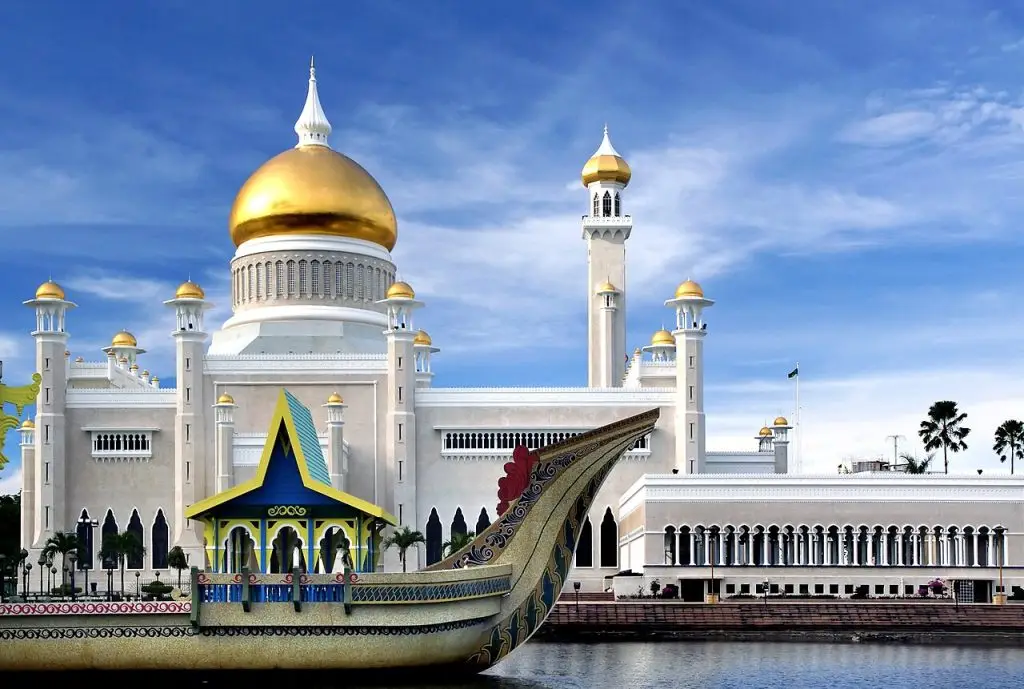
Omar Ali Saifuddien Mosque
This is the landmark of the city, with a golden dome and a lagoon setting. Non-Muslim visitors can usually enter during set visiting hours, with modest dress, such as long sleeves and trousers or a long skirt; robes may be provided. Visiting times vary around prayer times and religious days, so check locally.
Jame’ Asr Hassanil Bolkiah Mosque
Another large and impressive mosque, with multiple golden domes. It is a little further out of the center and also open to visitors at set times with conditions.
Royal Regalia Museum
This museum displays items connected to the Sultan, including ceremonial objects, gifts and royal chariots. It gives a glimpse into the country’s monarchy and traditions. Dress modestly, and note that shoes and photography may be restricted in some areas.
Kampong Ayer: the water village
Kampong Ayer is a large settlement of houses built on stilts over the Brunei River, often described as one of the largest water villages in the world. Small water taxis, called “penambang,” cross the river for a modest fare, and you can ask to be taken through the maze of walkways. The Kampong Ayer Cultural and Tourism Gallery offers background on the history. Respect residents’ privacy, and ask before photographing people. Some residents offer homestays or visits to local homes.
Ulu Temburong National Park
For nature, Temburong is the main draw. This district is separated from the rest of the country by Malaysian territory and is reached by boat or by a long bridge that opened in recent years. The national park has primary rainforest, and a canopy walkway lets visitors climb above the treetops. Tours are usually arranged through operators in BSB and include transport, a guide and sometimes lunch. Be prepared for heat, humidity and insects. Wear light clothes, sturdy shoes and carry water and repellent.
Other places to see
- Tamu Kianggeh market: a riverside market with produce, snacks and local goods.
- Gadong night market (Pasar Malam): a place to try local street food in the evening.
- Istana Nurul Iman: the Sultan’s palace, which is generally only open to the public during certain festive periods, so check the official announcements.
- Empire Hotel and Country Club: a famous luxury hotel on the coast, where non-guests can sometimes visit the public spaces.
- Jerudong Park and beaches: options on the coast for a relaxed outing.
- Tasek Lama Recreational Park: a green space close to the city with short forest walks and waterfalls.
Culture, etiquette and rules
Brunei is a Muslim-majority country with a conservative culture, and the sale and public consumption of alcohol is prohibited. Visitors who are not Muslim may bring a limited amount for personal use, but you should check current customs rules before you travel. Dress modestly in public, avoid public displays of affection, and use your right hand for giving and receiving. Remove shoes before entering mosques and homes. During Ramadan, eating and drinking in public during daylight can be considered disrespectful, and some restaurants open only after sunset.
Always check the latest laws, including those on conduct, before you travel, as rules can differ from what you may be used to.
Food to try
Local dishes include ambuyat, a starchy sago dish eaten with a bamboo fork and dipped in sauce, and nasi katok, a cheap rice meal with fried chicken. You will also find Malay, Chinese and Indian influenced food, as well as fresh seafood. Food courts and night markets are the cheapest way to eat.
When to go
Brunei has a tropical climate, with warm temperatures and high humidity throughout the year. Rain can fall at any time, with heavier showers during some months, and a light rain jacket is useful. The cooler time is not very cool, so pack breathable clothes. Check festival dates for Hari Raya Aidilfitri, when the palace sometimes holds an open house and the city is decorated.
Getting there and around
Brunei International Airport is near the capital, with flights from regional hubs such as Kuala Lumpur, Singapore and others. You can also cross from Sarawak by road, with border checks. Within BSB, buses run but can be infrequent, and many visitors use taxis or ride-hailing services; some choose to rent a car. Distances are short, so even a short stay allows you to see the main sights.
How long to stay
Two or three days is enough for the capital, the mosques and the water village, and a night or two extra if you want to visit Temburong. Brunei is also an easy addition to a trip through Sabah and Sarawak in Malaysian Borneo.
Reference
For general information about the country, its history and geography, see Brunei on Wikipedia. Visa rules, opening hours, prices and customs regulations change, so verify them on official government and tourism websites before you travel.
In summary
Brunei is a calm, welcoming country that suits travelers who enjoy culture, architecture and nature without large crowds. Pick one place to visit in Brunei as your anchor, such as the mosque or the water village, add a day in the rainforest, respect local customs and you will find a short, rewarding stop on the island of Borneo.
More to read
Image credit: Bernard Spragg. NZ from Christchurch, New Zealand via Wikimedia Commons (CC0).