Fast-growing cities with young populations look like ideal markets for food startups. Demand is rising, smartphones are widespread and traditional supply chains are inefficient. Yet many food startups in emerging markets close within a few years. Understanding the common hurdles can help founders, investors and customers understand why.
In this article
Thin margins for food startups
Food is a low-margin business. Ingredients, packaging, labour, rent and delivery costs eat into prices, and customers in price-sensitive markets resist fee increases. Subsidies to attract customers can mask poor unit economics until funding runs out. Companies need a clear path to profit rather than relying on endless discounts.
If you are thinking of working for or backing food startups in a new market, start with the economics of a single order. Ask what it costs to cook, pack and deliver one meal and what the customer pays. Food startups without a clear profit after delivery simply multiply losses as they grow.
Complex supply chains
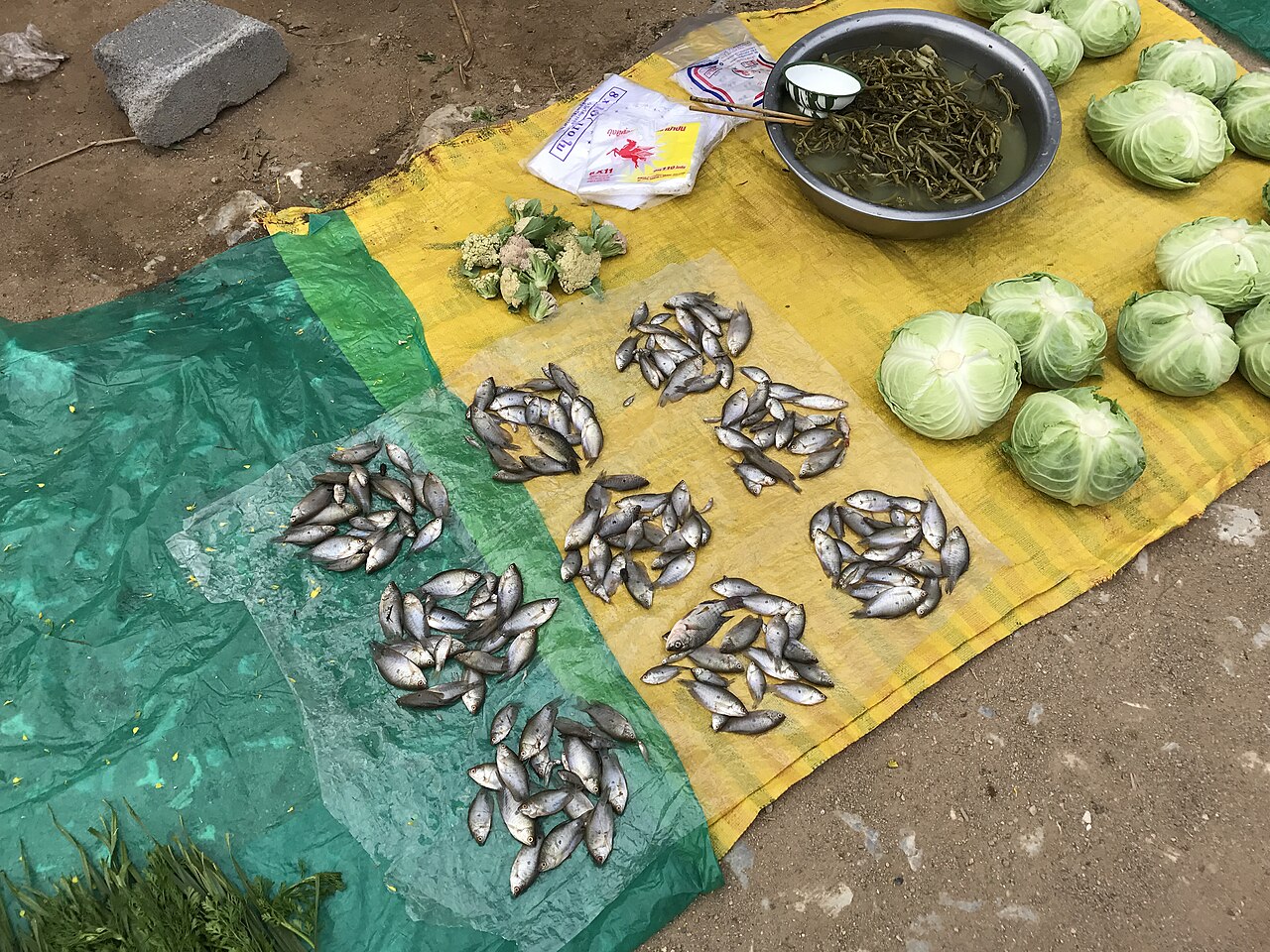
Sourcing fresh produce reliably can be difficult. Smallholder farmers may sell through informal markets, quality varies and transport infrastructure is patchy. Cold storage is expensive. Spoilage can destroy margins. Building direct relationships with farmers helps, but requires time, trust and working capital.
Operations are hard to scale
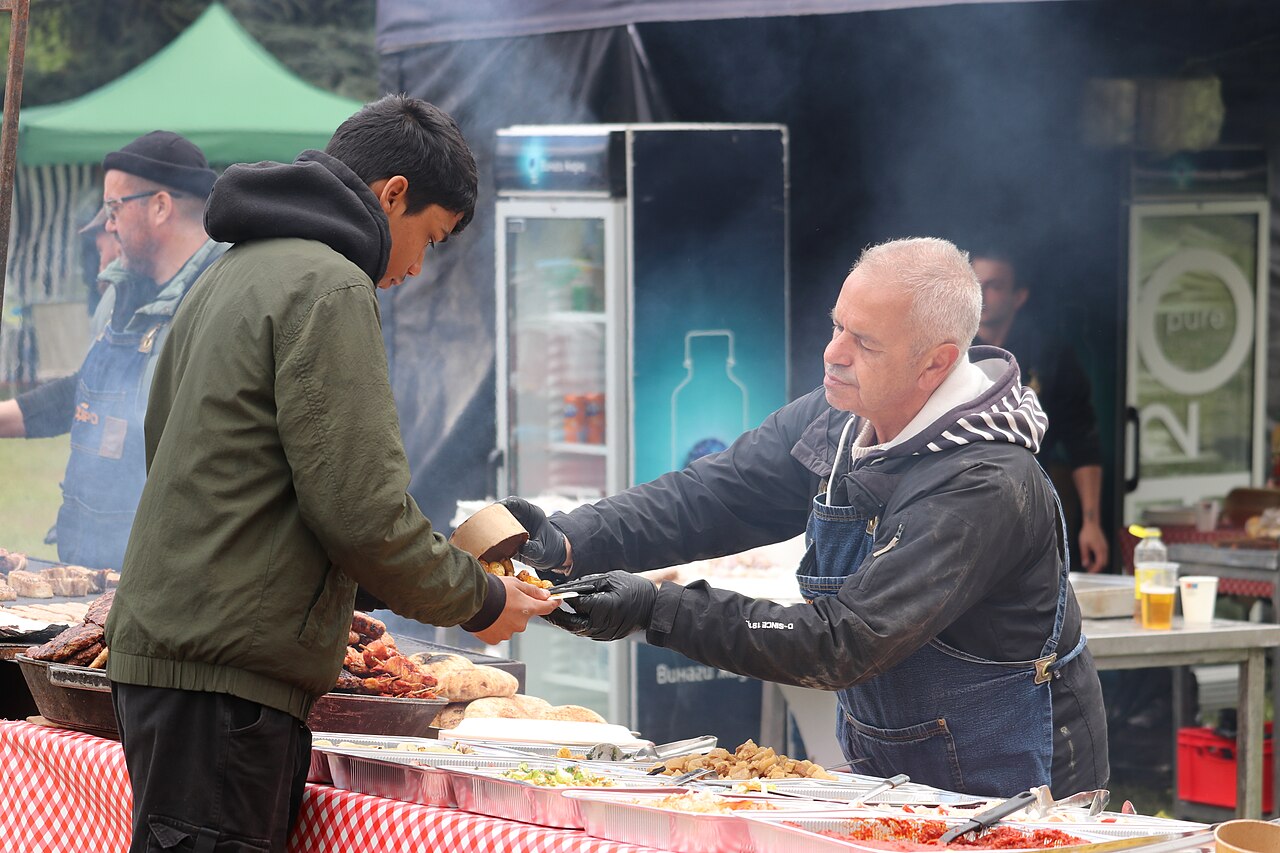
Running kitchens, hubs and delivery fleets across multiple cities multiplies complexity. Traffic, weather, power cuts and address systems can make delivery unpredictable. Many places lack standardised addresses, which complicates navigation. Staff training, food safety and consistency are ongoing tasks.
Customer behaviour
Habits differ from those assumed by business plans. Cash may dominate, trust in online payment may be limited and customers may prefer familiar local food at street prices. Marketing that works in one country may not transfer. Startups must research thoroughly and adapt menus and pricing to local tastes.
Competition and incumbents
Informal vendors, restaurants and established brands have loyal customers and low overheads. Global platforms with deep pockets may enter and compete aggressively. A startup must offer something distinct: better quality, reliability, convenience or price.
Funding and timing
Investors may expect rapid growth, pressuring founders to expand before the model is proven. When funding conditions tighten, companies burning cash must cut costs or close. Conservative growth, with strong unit economics in one area before expanding, is safer.
Regulation
Food safety, licensing, taxation and labour rules vary. Compliance costs can be significant, and enforcement unpredictable. Good relationships with regulators and transparency help.
What founders can do
- Validate demand with small pilots.
- Focus on a narrow market and serve it well.
- Build relationships with suppliers and share benefits fairly.
- Track unit economics weekly and act on them.
- Keep costs under control, especially in logistics.
- Invest in food safety and quality from day one.
- Listen to customer feedback and adapt.
What investors should consider
Patience, local expertise and an understanding of operational realities matter. Evaluate teams on their ability to execute, not just on a pitch. Support companies in building resilient supply chains and sensible growth.
Founders of food startups often underestimate waste. Fresh ingredients spoil, demand swings from day to day, and unsold meals have little value. Simple habits help: smaller menus, prepping to forecast rather than hope, and tracking what gets thrown away every week. Small savings on waste can matter more than a clever marketing campaign.
Impact on communities
When food startups fail, farmers, couriers and staff lose income. Responsible founders think about exit plans, communicate honestly and support those affected. When they succeed, they can improve nutrition, reduce waste and create jobs.
Signals of a healthier model
Look for startups that own part of their supply chain, serve repeat customers, keep waste low and can describe their cost per order in detail. Transparent reporting, local leadership and honest communication with suppliers are signs that a business is built for the long term rather than for a quick headline.
A closing thought on resilience
Even strong teams can be undone by factors outside their control, such as currency swings, funding shifts or policy changes. Keeping a lean cost base, building cash reserves when possible and staying close to customers gives food startups the best chance to ride out the bumps. Failure is also a source of lessons that make the next venture stronger.
What customers can do
If you rely on a food service that suddenly closes, look for local alternatives and keep records of any prepaid balances. Supporting neighbourhood vendors and farmers markets also strengthens the community that startups depend on.

A worked example of unit economics
Picture a single order. The customer pays a price, and from it you subtract ingredients, packaging, the cook’s time, the courier’s pay, payment fees and a share of rent and technology. Then subtract any discount used to win the order. What is left is the contribution of that order, and for many food startups it is close to zero or below.
The mistake is to hope that volume will fix it. More orders help only if each one covers its own costs. Otherwise growth simply multiplies the loss. Founders who can state their cost per order, and show it falling over time, are far easier to trust than those who point to total sales.
Customers can support local food startups by ordering directly when possible, paying promptly and leaving honest reviews. Courier and kitchen staff often depend on steady orders. If a service looks too cheap to be sustainable, discounts may be funded by investors for a limited time, so enjoy the offer without assuming it will last.
Why local context beats imported playbooks
A model copied from another country often stumbles on small things: how people write addresses, when they eat, whether they pay in advance and how much they trust a stranger delivering their meal. The emerging market label covers very different places, so a plan that works in one city may fail in the next.
Food startups that last tend to begin with one neighbourhood and one kitchen, learn from regular customers and only then expand. For a closer look at an operating model that keeps volumes predictable, read how workplace food delivery startups make the model work. Payment habits matter too, as discussed in why delivery apps are adding cash payments. Honest numbers also help investors compare food startups fairly, instead of being impressed by headline growth.
Final thoughts
Food is essential, but running a food business is hard. In emerging markets, success depends on patience, local knowledge and sound economics. Founders who respect these realities have a better chance of feeding growing cities sustainably.
Image credit: LaryWag via Wikimedia Commons (CC0).