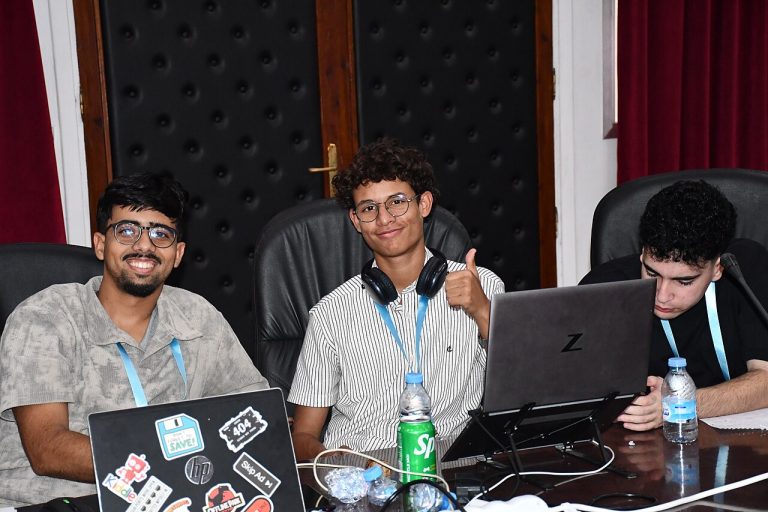
Founders tend to treat a big conference like a lottery ticket. Pay for a booth or apply to a showcase, show up and hope an investor wanders by. Occasionally it works. More often you come home with a tote bag, a sore back and a pile of business cards you never open again. The gap between those outcomes is almost entirely preparation, and this guide is for early-stage teams who get a chance to give a startup pitch in front of investors, press and potential customers.
Decide what success looks like before you go
A conference can give you investor introductions, customer leads, hiring prospects, press attention or simply feedback. Chasing all of them produces a vague pitch and a scattered schedule. Choose one primary goal and one secondary goal, and put numbers beside them: ten qualified investor conversations, five pilot customers, two journalists who understand what you do. Numbers make it easier to say no to a panel that sounds interesting but does nothing for you.

Write a startup pitch that survives a noisy room
A stage slot may give you a few minutes, while a hallway conversation gives you thirty seconds, the classic elevator pitch. Prepare both versions of your startup pitch.
The short startup pitch answers three questions in plain words: who is the customer, what painful problem do they have, and why are you better than what they do now? Avoid jargon, and avoid the phrase “AI-powered” unless the AI is truly the point. A good test is whether an interested stranger could repeat your startup pitch to a colleague an hour later. If not, simplify.
The stage version of a startup pitch needs a story. Open with a specific person suffering a specific problem rather than a market size. Imagine a dispatcher at a small trucking firm who spends every morning phoning drivers to confirm arrival times; the audience understands the pain before you say a word about software. Then show the product working. A short live demo, with a recorded backup, is worth ten slides.
State your traction honestly, whether that is users, revenue, pilots or a waiting list. If it is early, say so and explain what you have learned. End with one clear request, such as introductions to logistics companies, instead of a vague hope for support.
Know who you want to meet
Most large events publish lists of speakers, sponsors and sometimes attendees. Spend an evening building a target list of twenty people: investors who back your stage and sector, potential customers and a couple of peers worth befriending. Read what they have written or funded recently. Then reach out before the event with a two-sentence message and a specific ask, such as fifteen minutes of coffee on the second day. Cold approaches on the show floor are fine, but a warm note beforehand sharply improves your odds.
Prepare your materials with the same care. You want a one-page summary or short deck that can be sent as a link rather than a heavy file, a demo that survives bad Wi-Fi, and a simple way to capture contacts, such as a QR code leading to a form. Have the basics of a data room ready so that you can answer follow-up requests within a day.
On the floor, ask questions before you pitch, because people remember being listened to. When an investor asks a hard question, such as why a larger competitor would not simply copy you, do not get defensive. Hard questions are free information about how your story lands. Take notes immediately after each conversation: name, topics and the promised next step. Memory fades by evening, and by the third day everyone blurs together.
Rehearse your startup pitch out loud, ideally in front of someone who knows nothing about your industry. Time yourself. Founders usually discover that their demo takes twice as long as planned and that one slide carries no weight at all. Cut it. If you can cut a third of the material and the startup pitch still makes sense, it is in good shape.
Follow up on your startup pitch within forty-eight hours
This is where most founders drop the ball. Send a brief message to everyone you met, mentioning something specific from your conversation and the next step you proposed. Keep it short, and attach the one-pager only if asked. For people who showed real interest, suggest a time within the next two weeks rather than an open-ended catch-up.
A few mistakes come up repeatedly. Founders read from slides. They quote huge market numbers without a bottom-up explanation. They skip side events, where the best conversations often happen, and they ignore other startups, even though founders at your stage swap introductions, warnings and tips that are often more valuable than any panel. And they burn out; sleep, water and a quiet break between meetings improve every conversation.
Whether it is worth the money depends on the plan. Compare the full cost, including travel, lodging and lost working days, with a realistic estimate of what you would gain. For some startups, a smaller gathering in their own industry delivers more than the biggest names. A conference multiplies the effort of a team that already knows what it wants. It is rarely a rescue for one that does not.
Related reading: What an AI Legal Tech Acquisition Means for Law Firms and Clients and How to Pick Tech Conferences Worth Your Time and Money.
Photos: NEXT Conference from Berlin, Deutschland (CC BY 2.0, Wikimedia Commons); NEXT Conference from Berlin, Deutschland (CC BY 2.0, Wikimedia Commons).