Moving abroad with a dog is possible, but it is not something to leave until the last minute. Rules differ from country to country, and some paperwork has to be done weeks or months in advance. Here is a practical checklist that will help you get organised. Always confirm details with the official authority of your destination, since requirements change.
Moving abroad with a dog: start with the rules of your destination
The first step is to look up the official pet import rules of the country you are moving to. These are usually published by the agriculture or veterinary ministry. You will normally find requirements about:
- Microchip: most countries require an ISO-standard microchip.
- Rabies vaccination: often needed, with a minimum time between vaccination and entry.
- Blood test: some countries, particularly those that are rabies-free, ask for a rabies antibody test, with a waiting period afterwards.
- Health certificate: issued by a vet and sometimes endorsed by a government authority.
- Parasite treatments: certain countries ask for tapeworm or tick treatment within a time window.
- Quarantine: a few countries have quarantine for animals, while many have none if the paperwork is correct.
- Breed restrictions: some places ban or restrict certain breeds.
Build your timeline around the longest step. In some cases, the process can take several months.
Visit your vet early
Book an appointment with your vet as soon as you decide to move. Ask them to check your dog’s microchip, update vaccinations and advise on travel. If the country requires an accredited vet, ask whether yours is authorised. Keep copies of every document, and carry the originals with you in hand luggage.
Choose the right way to travel
By plane
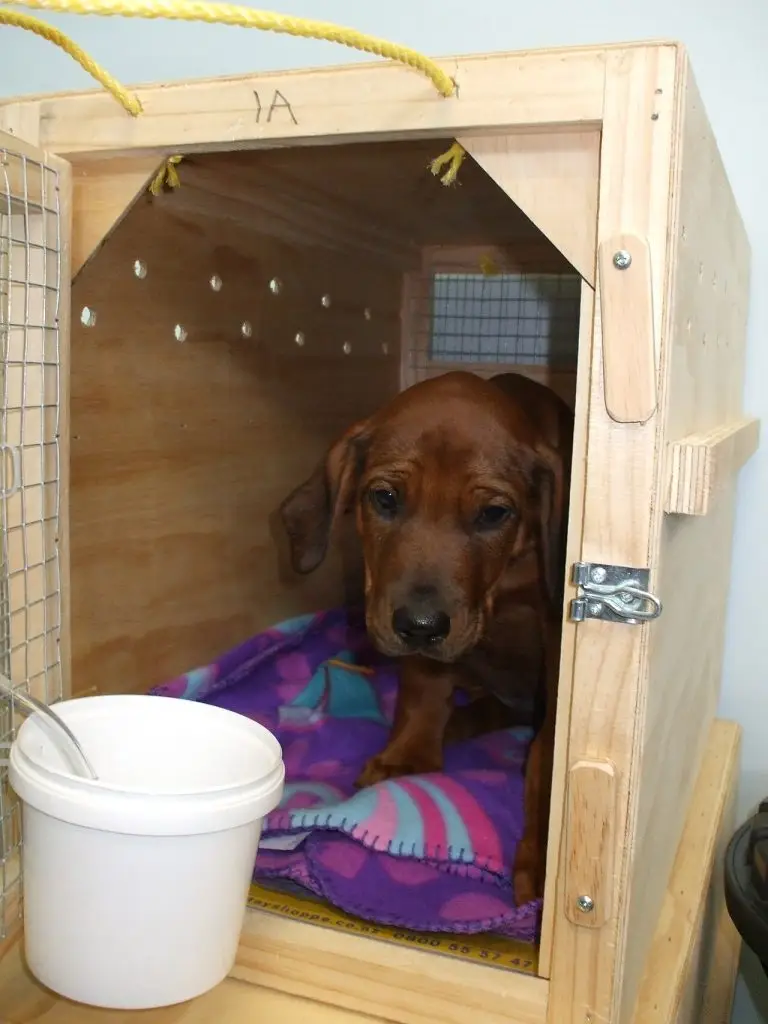
Airlines have their own rules on pets. Small dogs may travel in the cabin in a carrier under the seat, if the airline allows it. Larger dogs go in the hold, in an approved crate. Not every airline accepts pets in the hold, and some restrict short-nosed breeds because of breathing risks. In hot or cold months, airlines may refuse to carry animals due to temperature.
Book early, since airlines limit the number of pets per flight. Ask whether you need to book the dog’s space separately.
By car, train or ferry
Travelling overland can be less stressful for the animal, especially if you are moving within Europe. Check each country’s border rules and any ferry operator’s pet policy.
Pet relocation companies
Specialist agencies handle paperwork and transport for a fee. They can be helpful for long-distance moves or complex rules. Compare services and read reviews, and check that the company is properly registered.
Prepare your dog
1. Crate training: let your dog get used to the travel crate weeks before the trip. Put in a familiar blanket and toy.
2. Short trips: practise car rides and short separations.
3. Exercise: give your dog a good walk before travel, but avoid heavy meals right before.
4. Sedation: most vets advise against sedating dogs for flights, so talk to your vet before using any medication.
5. ID: attach a tag with your phone number and the new address, and keep your microchip details up to date.
On arrival
Once you arrive, you might need to register your dog with the local authority, buy a licence or sign up with a local vet. Some countries require a dog tax or insurance. Check which vaccines are necessary in the new place, as diseases and parasites can differ.
Take it easy for the first few days. A new home can be stressful for a dog, so keep routines steady, stick to the same food and plan short walks until your dog relaxes.
Housing and daily life
If you rent, ask about the landlord’s pet policy before signing the contract. In many cities, finding a pet-friendly rental takes longer. Learn local rules on leashes, waste bags and public places where dogs are not allowed. Look up dog parks and trainers to help your dog meet others.
Costs to expect
Costs include vet visits, tests, certificates, airline fees, crate, and possibly a relocation agency. These can add up, so create a budget early. Insurance for travel and in your new country is worth considering.
Final tips
- Keep a folder with all documents.
- Double-check expiry dates.
- Leave extra time for delays.
- Have a backup plan if a flight is cancelled.
Moving abroad with a dog is a real project, but with early planning, it can go smoothly. Your dog does not care about the country. They only care that you are there. Prepare well, stay calm and take your time settling in together.
More like this: browse our Travel Tips section.