Most people meet Luton through its airport, a low-cost hub around 30 miles north of London, and many never see anything of the town itself. That is a fair reflection of its reputation, but it is a little unfair. Luton is a real place with a proper history, a famous football club and a few pleasant green spaces. This guide covers both the practical airport side and what you can do if you have a few spare hours.
What kind of town is it?
The town sits in Bedfordshire, in the east of England, and has long been a working town rather than a tourist one. For a good stretch of history it was known for hat-making, and the nickname of the local football club, the Hatters, is a nod to that. Today it is large, diverse and busy, with a mix of communities, a university, a lot of shops and a busy centre. It is not pretty in the postcard sense, but it is lived in and has character.
You can read a short overview of the town on Wikipedia, but for travellers the practical side matters more: transport, places to eat and ways to use a short layover well.
Getting between Luton Airport and the town
The airport is a few miles east of the centre, on higher ground. The most common route to London is by train from Luton Airport Parkway station, which is linked to the terminal by a shuttle rail system, often called the DART, or by a short shuttle bus on some arrangements. From the station, fast services run to central London, and journey times are usually in the region of half an hour or slightly more. Check the current timetable, because services and routes change, and weekend engineering works can alter things.
Coaches and buses are another option, often cheaper but slower and dependent on traffic. Taxis and ride-hailing work well for late arrivals, though prices can climb, so compare options in advance. If you have an early flight, think ahead: trains and coaches may run less often overnight, and you may want to book a hotel nearby rather than gamble on a first service.
- Check your flight time and work backwards, leaving more margin than you think you need.
- Look up the first and last train or coach times for your day.
- Keep a taxi option as backup.
- If you are leaving the UK, remember to allow time for security and passport control.
Where to stay near the airport
There are plenty of hotels around the airport and in the centre, from budget chains to mid-range places with shuttle services. For a very early flight, a hotel near the airport can save a lot of stress, but check the transfer arrangements, because not every hotel offers a free shuttle. If you plan to see London, staying in the capital and travelling out is usually more rewarding, but costs more. Compare prices on your dates, because they change with events and school holidays.
What is worth doing with a few hours
If you have a free afternoon, there are a few reasonable options.
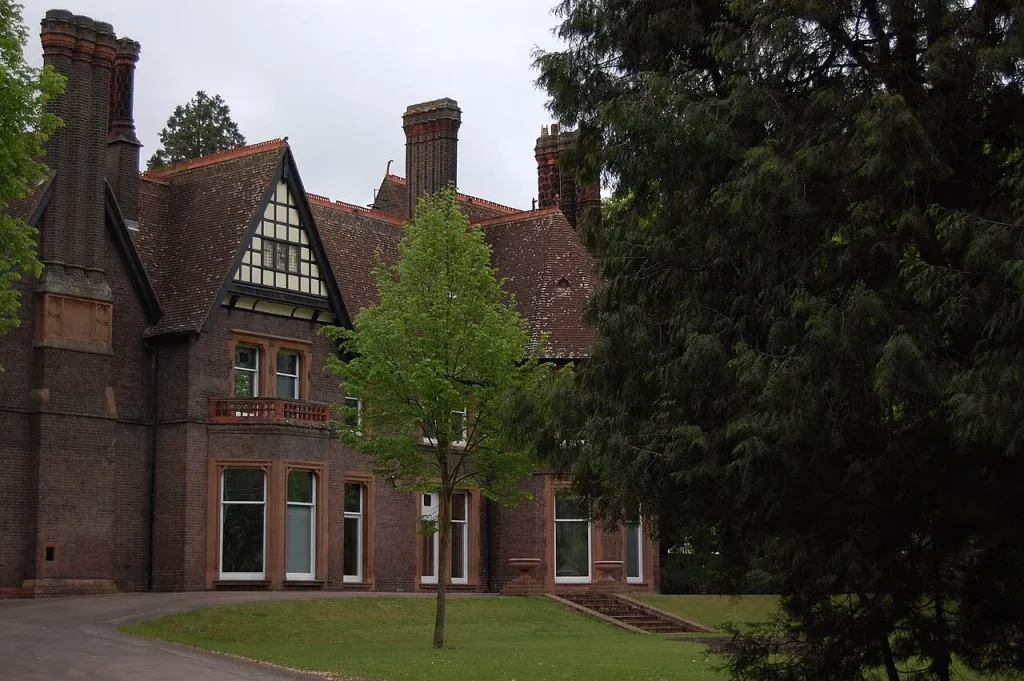
- Wardown Park: a green space with a lake and a historic house, which hosts a museum about the town and its hat-making past. Check current opening hours before you go.
- Stockwood Park: a large park on the edge of town with gardens and open spaces, good for stretching your legs.
- Football: the local club plays at Kenilworth Road, a famously old-fashioned ground squeezed in among terraced houses. Matchdays can be atmospheric if you can get a ticket.
- Food: the town has a strong selection of South Asian, Turkish and Eastern European restaurants. Good value and often excellent, especially around the central streets.
Nearby Luton Hoo, a historic estate, is now a hotel and spa and has appeared in films. Visits and access are generally for guests, so confirm before turning up. The Chiltern Hills and the village of Whipsnade, with its large zoo, are also within reach for a day trip if you have a car or a good bus connection.
What to expect as a visitor
The centre has a large shopping mall and a covered market, and it can get crowded at weekends. As with any big town, use ordinary common sense at night, keep belongings close and stick to well-lit routes. Most visitors have a perfectly smooth time. The tone of the place is practical rather than polished, and you will find people friendly if you ask for directions.
Weather in this part of England is mild but changeable, so a light jacket and umbrella are a sensible packing choice in most seasons. In winter, fog and cold can delay flights, so allow for flexibility if you are travelling in December or January.
Is Luton worth a stop?
For most people the answer is a practical yes: it is a transit point, and a good one if you plan well. For a curious traveller it can also be a pleasant half-day detour, with a park, a museum and a meal that costs less than in central London. It will never top a list of most beautiful towns, but it shows a side of England that postcards skip. If your flight has a long layover or you land late, do not write it off. A small amount of planning turns a boring wait into something worth remembering.
More from us: Europe Travel.
Featured photo: Shaun Wallin / Wikimedia Commons (CC BY 2.0).