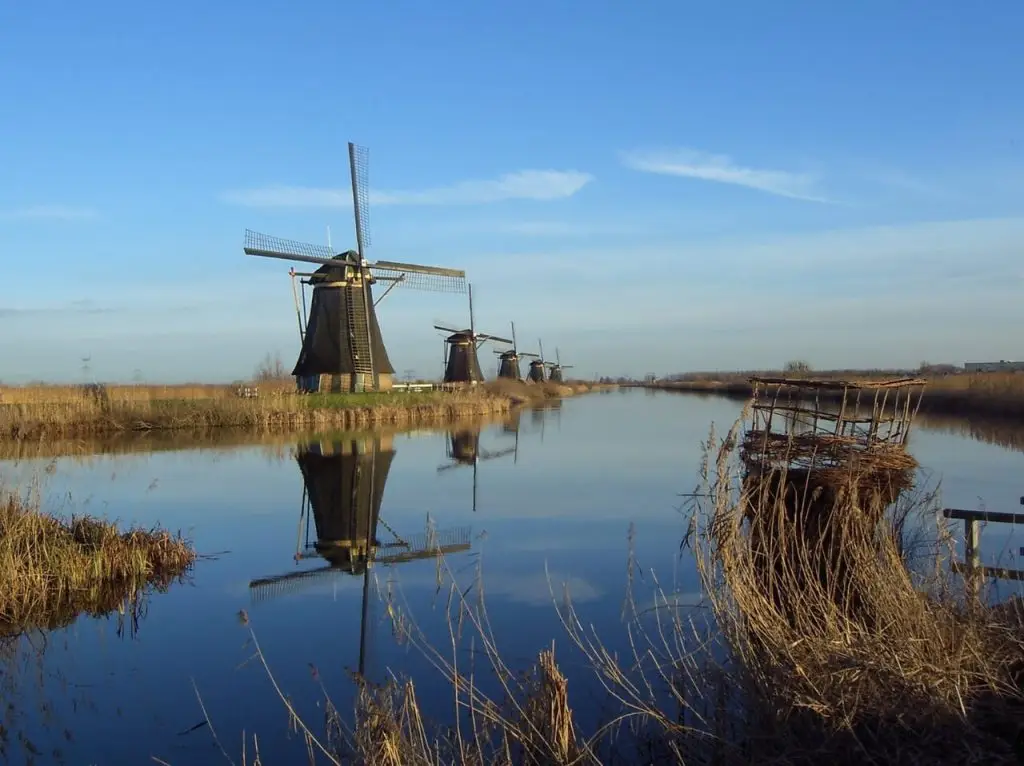
Wondering about Kinderdijk things to do beyond taking a photo? This UNESCO World Heritage site near Rotterdam is a landscape of historic windmills along the water, and a visit can fill a relaxed half day. The mills were part of a water management system that kept the low-lying land dry, and they still stand in a row beside the canals. Here is how to make the most of it.
Top Kinderdijk things to do: walk or cycle the mill paths
The simplest and best activity is to follow the paths along the canals. The area is flat, quiet and car-free in the core, which makes it ideal for walking or cycling. You can pass the nineteen historic windmills at your own pace and stop for pictures from different angles. The light is lovely in the early morning and in the evening, when crowds thin.
Visit a mill
One or more of the windmills are open to visitors, so you can see how a miller lived and worked inside. You can climb narrow stairs, see the gears and learn how the sails were controlled. A second visitor-focused site displays the pumping station story and the wider Dutch fight against water. Opening arrangements differ by season, so check the official Kinderdijk website for current hours and tickets.
Take a boat tour
A boat ride through the canals gives you a different view of the windmills and the surrounding polder. It is also a good way to rest your legs. Tours are usually seasonal, and availability depends on weather and water levels, so check in advance.
Learn about water management
Kinderdijk is more than scenery. The name means “child’s dike” and the area sits in the Alblasserwaard polder, where people have managed water for centuries. Exhibits explain how mills, pumping stations and dikes work together, and why the Netherlands is known for its engineering. It is a good primer if you also plan to visit the Delta Works in Zeeland.
Eat and relax
Near the entrance there are cafés and small shops that sell snacks, coffee and Dutch treats such as pancakes. Bring a picnic if you prefer, and use the grassy spots by the water. Respect the privacy of the local residents, since people live in the area.
How to get there
From Rotterdam
The scenic way is by water bus, which travels along the river from central Rotterdam to Kinderdijk. It takes a while but gives a nice taste of the port. Bus services also run from nearby railway stations, such as Rotterdam Zuid, to the site area. Check the current timetables and connections on the journey planner.
From Amsterdam
Take a train to Rotterdam, then continue by waterbus or local bus. In total, expect a journey of roughly one and a half to two hours each way. By car, there is paid parking near the site.
When to visit
- Spring: Fresh green fields and blossom, plus some tulip fields nearby.
- Summer: Long days and boat tours, but more crowds.
- Autumn: Quieter, with soft light and golden grass.
- Winter: Frosty mornings and few visitors, but some facilities close.
A half-day plan
- Arrive mid-morning and walk the canal paths.
- Visit an open mill and the visitor displays.
- Lunch at a café.
- Afternoon boat ride or a bicycle loop.
- Return to Rotterdam for dinner.
Tips
The site is easy, but a few small choices make the visit smoother and more enjoyable.
- Wear comfortable shoes. Paths can be damp after rain.
- Check the wind. Mill sails turn on breezy days, which makes for better photos.
- Combine it with Rotterdam’s Markthal and Euromast.
- Look for special events, such as the annual mill days, though dates change.
FAQ
Can you go inside the windmills?
Some are open to visitors, while others are private homes.
Is it good for kids?
Yes. The car-free paths and boat rides make it easy for families.
How long should I stay?
Plan on three to four hours, a bit more if you cycle.
More ideas for the region are on our Netherlands pages. For official visitor information, see the Kinderdijk website. Among the many Kinderdijk things to do, the simplest, a slow walk beside the mills, is still the best.