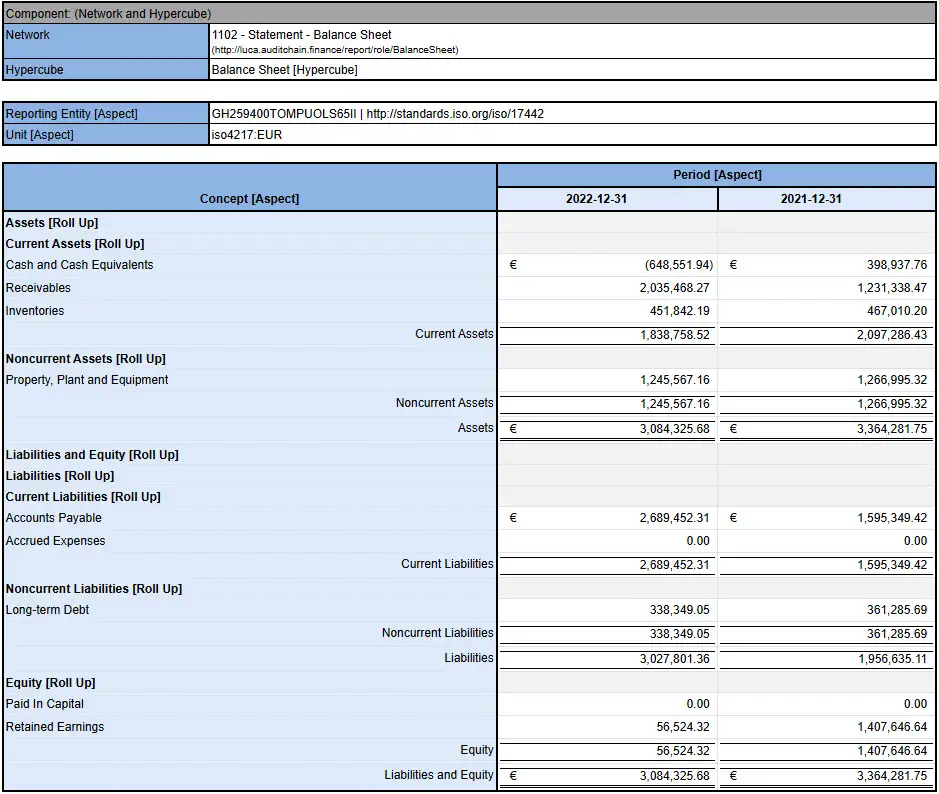
How to figure out your networth takes about thirty minutes and one rule: add up everything you own, add up everything you owe, and subtract the second number from the first. What is left is your net worth. The sum is easy, and anyone can do it. The honest part is gathering the numbers, so here is a step-by-step way to do it without fooling yourself.
Step one of how to figure out your networth: list what you own
Open your bank apps and statements and write down current values, not what you paid. Group things so you can see patterns.
- Cash and savings. Checking, savings, cash at home.
- Investments. Brokerage accounts, funds, shares, crypto.
- Retirement accounts. 401(k), IRA, pension pots. Use the current balance.
- Property. Your home, any land or rental. Use a realistic market value, such as a recent sale of a similar place nearby.
- Vehicles. Use a used-car valuation, not the sticker price.
- Business interests. If you own a company, estimate what you could sell your share for, and be conservative.
- Valuable personal items. Jewellery, art or collectibles only if you could actually sell them. Skip furniture and clothes.
Step two: list what you owe
Learning how to figure out your networth means getting comfortable with this half of the page.
This is the bit many people avoid. Look at the latest balance, not the monthly payment.
- Mortgage or home loan
- Student loans
- Car loans
- Credit card balances
- Personal loans and buy-now-pay-later accounts
- Money owed to family or friends
- Unpaid tax bills
Step three: subtract
Total assets minus total liabilities is your net worth. Here is a simple example to see how it works.
| Item | Amount |
|---|---|
| Savings and checking | 12,000 |
| Retirement account | 48,000 |
| Car (used value) | 9,000 |
| Home (market value) | 250,000 |
| Total assets | 319,000 |
| Mortgage | 190,000 |
| Car loan | 5,000 |
| Credit card | 3,000 |
| Total liabilities | 198,000 |
| Net worth | 121,000 |
These numbers are invented for illustration. Swap in your own.
Common mistakes when you figure out your networth
People who work out how to figure out your networth for the first time often make the same few errors. They overvalue their home because of a hopeful online estimate. They forget small debts, which add up. They count the whole value of a retirement account while ignoring any early-withdrawal tax. Or they include a car they bought on credit at full price, with no loan on the other side of the sheet. Be a little harsh with yourself. A conservative figure is far more useful than a flattering one.
Another trap is mixing up net worth and income. A high salary can sit alongside a negative net worth if the person spends everything and carries debt. The reverse also happens. A retired teacher with a paid-off house and steady savings can have a larger net worth than a well-paid professional in their thirties.
Is a negative number bad?
Take Sam, a made-up example. At 26 Sam has 4,000 in savings, a used car worth 7,000 and 30,000 in student loans. That is a net worth of negative 19,000. It looks grim, yet Sam earns well, pays 500 extra a month toward the loans and saves in a workplace pension. Two years later the figure is near negative 3,000. The starting point mattered far less than the habit.
Not necessarily. It is common for younger people, particularly graduates with student loans, to start below zero. What counts is the trend. If the number goes up each year as you pay down debt and save, you are heading in the right direction. If it keeps falling, that tells you where to look first.
Tools and habits
Anyone who learns how to figure out your networth once should turn it into a routine, since the first figure only becomes useful when there is a second one to compare with.
A spreadsheet is enough. Make two columns, assets and liabilities, and add a date at the top. Some budgeting apps can link accounts and calculate the figure automatically, though check what data they ask for before you connect anything. Whichever route you take, repeat the exercise on a regular schedule, say every quarter or twice a year. Keep the same method each time so the comparison holds.
To make the review stick, pick one action after each update. Overpay a loan. Increase a pension contribution by one percent. Set up an automatic transfer on payday. Small, repeated steps beat grand plans.
Quick recap
To work out how to figure out your networth: list your assets at realistic values, list every debt at its current balance, subtract, and write the date next to the result. Do it again in a few months. If you would rather compare yourself to others, remember that averages vary by age and country, and that your own trend matters more than a rank.
This is general information, not financial advice.
For background, the Net worth article on Wikipedia is a useful starting point.
Related reading: How to Calculate Your Networth in About 30 Minutes · How Much Is Her Networth? A Guide to Finding and Judging Estimates



