Every map app depends on a quiet assumption: that the restaurant you are driving to still exists, is open, and sits where the pin says. Behind that assumption is an unglamorous industry of business location data, where companies collect and verify information about businesses and places. Dataplor is one of several firms working on the problem of making that data trustworthy.
What business location data is
A place record is more than coordinates. It typically includes a name, address, category, phone number, website, opening hours, and sometimes details like payment options or accessibility. Each item can be wrong, outdated, or duplicated.
Business location data feeds navigation apps, delivery platforms, ride services, retailers choosing store sites, insurers, advertisers, and logistics firms. A small error multiplies when millions of people rely on it.
Why business location data decays so fast
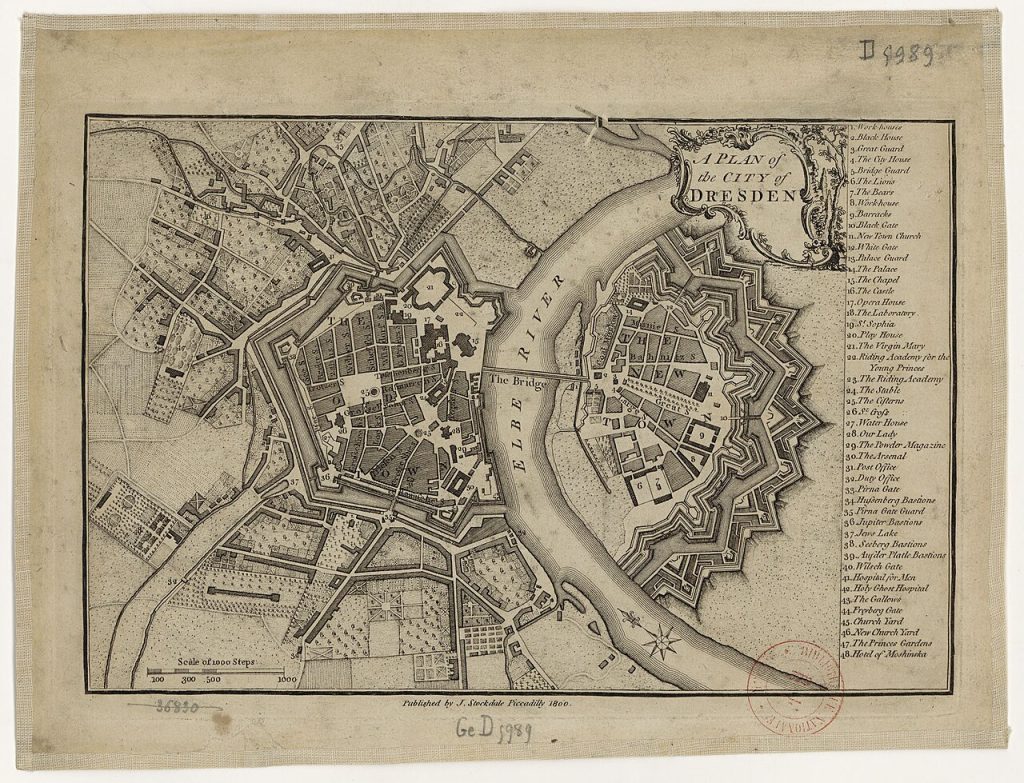
Businesses open, close, move, and rename constantly. Hours change with seasons. Strip malls get redeveloped. In fast-growing cities, entire streets are rebuilt. Business location data that was correct six months ago may be misleading now.
Coverage is uneven too. In some regions, addresses are inconsistent or do not follow a standard format, and few people write them down in the same way. Informal markets and small shops may not appear in any official registry. That leaves gaps exactly where companies are trying to expand.
How the data is gathered
Providers combine multiple sources:
- Public records such as business registries and licenses.
- Website and online listing scrapes, within legal limits.
- Satellite and street-level imagery analyzed by computer vision.
- Anonymous mobile signals that show where people actually go, aggregated to protect privacy.
- Partner feeds from companies that manage locations.
- Human verification, including local contributors who check places in person.
Combining signals is key to good business location data. A website might say a shop is open, while foot-traffic patterns suggest it closed months ago.
Where AI helps
Machine learning is used to match records that refer to the same place despite spelling differences, to categorize businesses from text and images, to predict which records are likely to be stale, and to flag anomalies. This does the heavy lifting at scale. But the last mile often needs people on the ground, which is why some companies run networks of local contributors who are paid for verified updates.
Measuring business location data quality
Data buyers should ask how quality is defined and tested. Useful measures include:
- Accuracy: what share of records are correct when sampled in the real world?
- Freshness: how often are records re-verified?
- Coverage: how many of the places that exist are in the dataset?
- Completeness: how many records have hours, phone numbers, and categories?
- Duplication: how many entries describe the same place?
Be wary of claims of huge record counts without any description of accuracy. A big database full of closed businesses is worse than a smaller, clean one.
Privacy and ethics
Location data can be sensitive when it relates to people rather than businesses. Responsible providers separate the two: business location data is about places, not tracking individuals. Buyers should confirm that any movement data is aggregated and anonymized, that collection follows privacy laws, and that contributors are treated fairly. Regulators in many regions have grown stricter about location data, and companies with careless practices have faced scrutiny.
Common uses
Retail and restaurant chains use business location data to analyze competition and pick new sites. Delivery companies use it to route drivers and avoid wrong addresses. Marketers use it to understand where customers spend time. Public agencies use it for planning and emergency response. Researchers use it to study local economies.
Choosing a business location data provider
When comparing vendors, test with a sample from your own area of interest. Pick fifty places you know well and check how many records are right. Ask about update frequency, licensing terms, how errors can be reported, and whether you may store and combine the data with your own. Pricing structures vary, from per-record to subscriptions.
Business location data in everyday services
Accurate places are the hidden fuel of apps you already use. A ride-hailing app has to know exactly where the pickup point is and which entrance leads to the door, a challenge we describe in how ride-hailing apps match you with a driver in seconds. A delivery rider with a bad pin loses minutes, and the customer loses patience.
Machines that report their own position add another source of truth, a subject we cover in what telemetry is and how machines report what they’re doing. For a general definition of what counts as a mapped place, see the article on point of interest.
Why it matters to everyday people
When business location data is good, you hardly notice. A driver arrives at the right door, an ambulance finds the correct entrance, a small business shows the right hours. When it is bad, you get wasted trips and lost customers. Small shops especially benefit from accurate listings, and claiming your business profile on major maps is a cheap fix.
Takeaway
Location intelligence sounds abstract but rests on a plain challenge: keeping a picture of the physical world current. The best providers blend automation with local knowledge, measure their accuracy honestly, and respect privacy. If your business depends on knowing where things are, treat data quality as a core input, not an afterthought.