The word sounds technical, but the idea is simple. If you have ever checked a fitness band to see your heart rate, or watched a progress graph from a delivery drone, you have seen the results. So what is telemetry data, and why do companies building rockets, factories, vehicles and cloud services all spend heavily on it? Let us go through it.
The plain definition of telemetry data
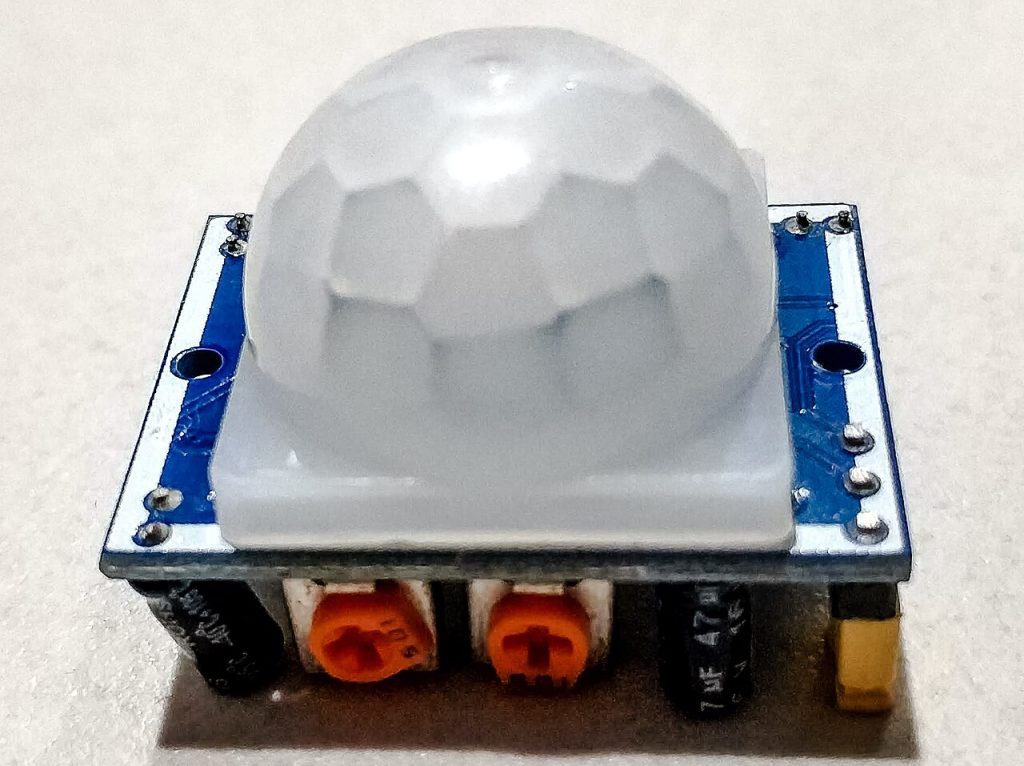
Telemetry means measuring something at a distance and sending the readings somewhere they can be collected and analysed. The root words mean remote measurement. A sensor reads a value, a system transmits it, and a receiver stores and displays it.
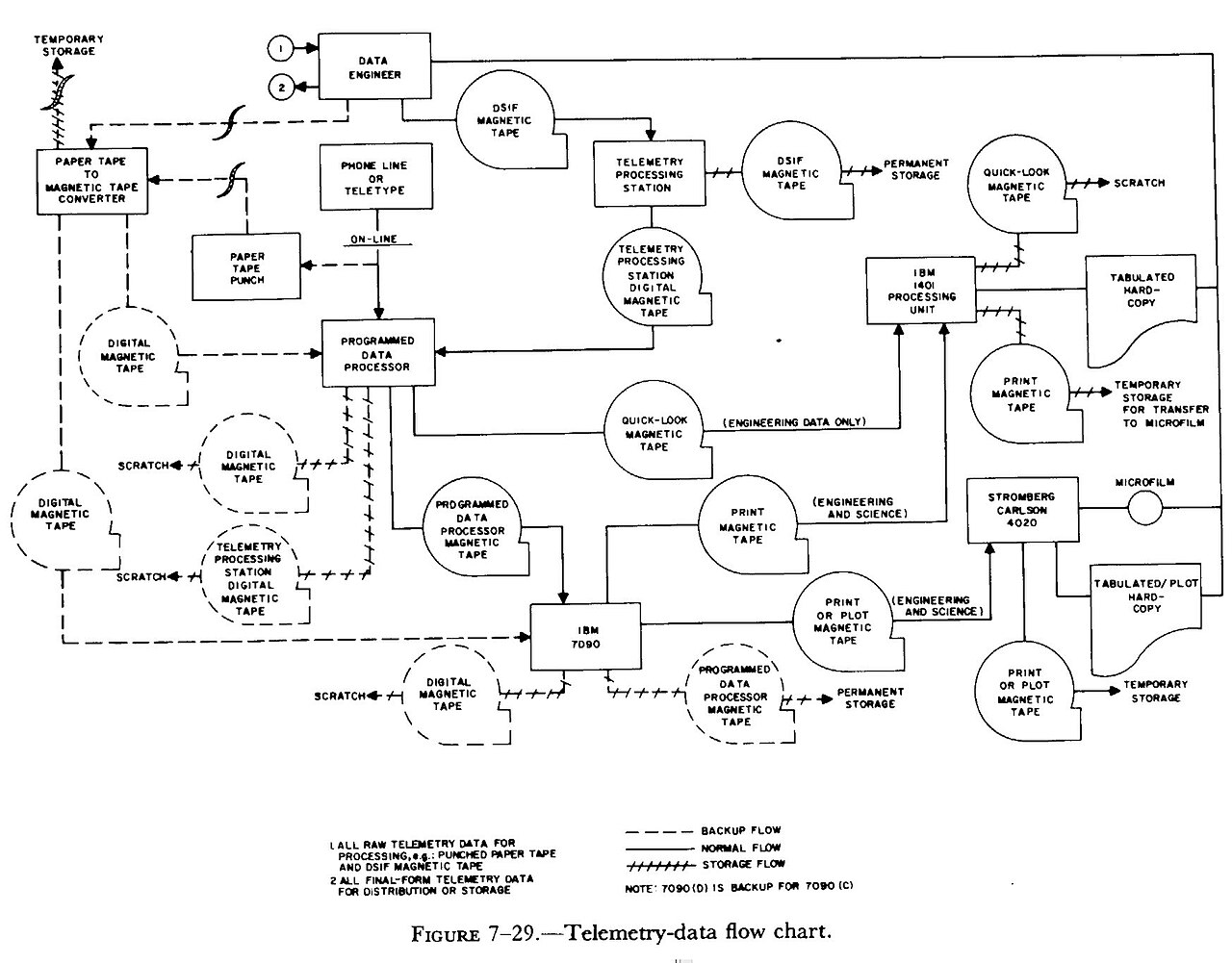
Telemetry data is the stream of those readings. It might be a temperature, a speed, a voltage, the number of requests a website handled in the last second or the time a program took to respond. On its own, each reading is small. Together, thousands or millions of them tell a story about how a system behaves.
The idea behind telemetry data is old. Weather balloons, spacecraft and power stations have sent measurements to operators for decades. What changed is scale and cost. Sensors are cheap, networks are everywhere and storage is plentiful, so almost anything can now report on itself.
How telemetry data travels
The path from a device to a decision usually has four steps.
- Collection. Sensors or software agents record measurements, such as pressure in a pipe or errors in an application.
- Transmission. The readings are sent over a network, which could be radio, mobile data, satellite or ordinary internet.
- Storage. A database or monitoring service holds the data so it can be searched and compared over time.
- Analysis and action. Dashboards, alerts and automated rules turn the numbers into something a person or program can act on.
Design choices matter at each step. Collect too little and you miss the cause of a problem. Collect too much and you pay for storage and drown in noise. Good teams decide in advance which questions the readings should answer.
What telemetry data is used for
The uses are wide, and the same idea appears in very different places.
- Spaceflight and aviation: engineers monitor engines, fuel and structures in real time, and review the readings after each flight.
- Vehicles: modern cars report on batteries, motors and faults, helping manufacturers spot patterns and improve designs.
- Factories: sensors on machines detect vibration or heat that signals wear, so maintenance can happen before a breakdown.
- Cloud and software: servers and applications send metrics, logs and traces, so teams can see slowdowns and fix bugs.
- Health and fitness: wearables record heart rate, sleep and movement.
- Energy and utilities: smart meters and grid sensors help balance supply and demand.
In each case, the value comes from catching problems early, understanding how things work in the real world and making better decisions with evidence in place of guesses.
Telemetry data in software and the cloud
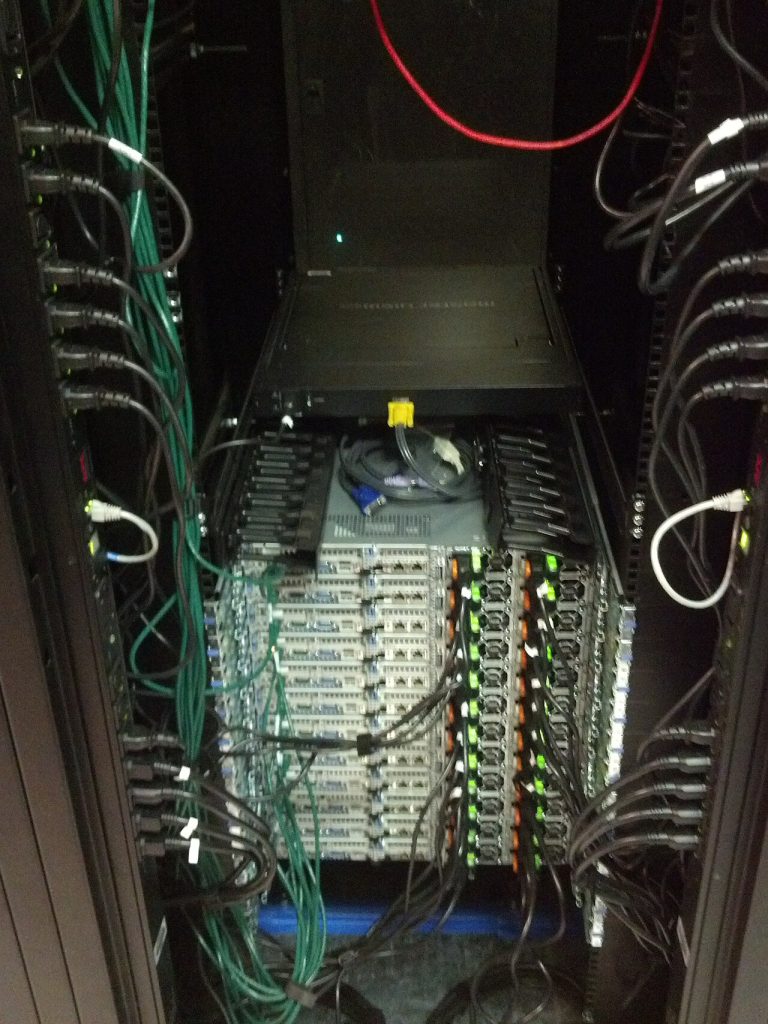
For software teams, telemetry data often means three kinds of information. Metrics are numbers over time, such as response speed. Logs are records of events, such as an error message. Traces follow a single request as it passes through different services.
Together, these three types form what engineers call observability, the ability to understand what is happening inside a system by looking at what it reports. When a website slows down, telemetry data helps find whether the cause is a database, a network link or a recent change.
Alerts are where this becomes practical. A team might set a rule that warns them when errors double or when a machine runs hotter than normal. Good alerts are specific and rare. Too many, and people start ignoring them, which defeats the purpose of collecting the readings in the first place.
Many apps also send usage telemetry back to their makers, covering which features are used and where crashes occur. This helps developers improve products, but it raises obvious questions about privacy.
Privacy and good practice
Telemetry data can be harmless or deeply personal, depending on what is collected. Anonymous crash counts are one thing. Location history and behaviour patterns are another.
If you use products that collect it, check the settings. Many apps and operating systems let you limit what is sent. Read the privacy policy to see what is collected, how long it is kept and whether it is shared.
If you build products, a few principles go a long way: collect only what you need, explain it plainly, give people a choice where you can, protect the data in transit and storage, and delete it when it stops being useful.
One more caution is accuracy. Sensors drift, networks drop packets and clocks disagree, so the readings should be treated as evidence to interpret, not as perfect truth. Experienced engineers check whether a strange reading reflects a real problem or a broken sensor before they act on it.
The next time you see a dashboard of graphs, remember what sits behind it. Behind every line is a sensor or a program reporting honestly on itself. Understanding telemetry data helps you see why modern machines can be monitored, maintained and improved in ways that used to be impossible, and why handling it responsibly matters so much.
For a neutral background reference, the Wikipedia article on Telemetry is a useful place to start.
Related reading: How Edge-to-Cloud Data Sync Works When the Network Drops and Open-Ear Headphones: Who They Suit and What to Compare.