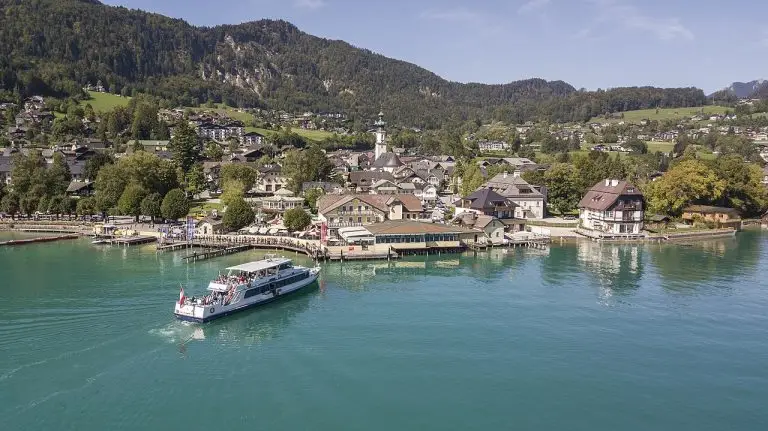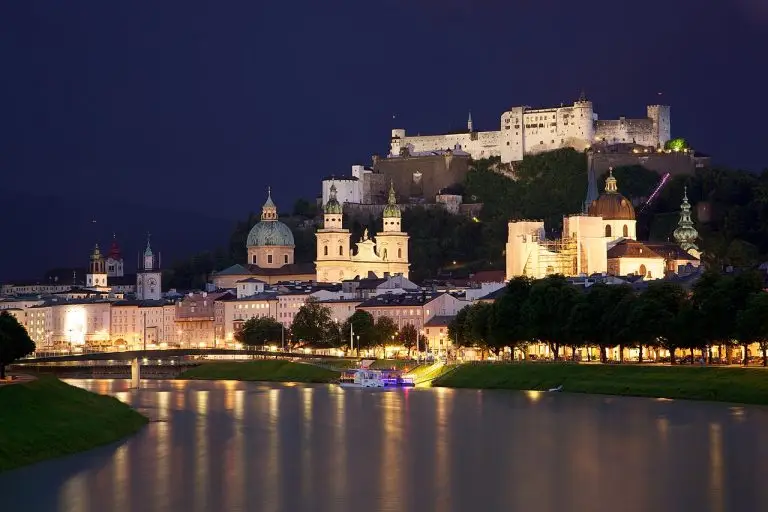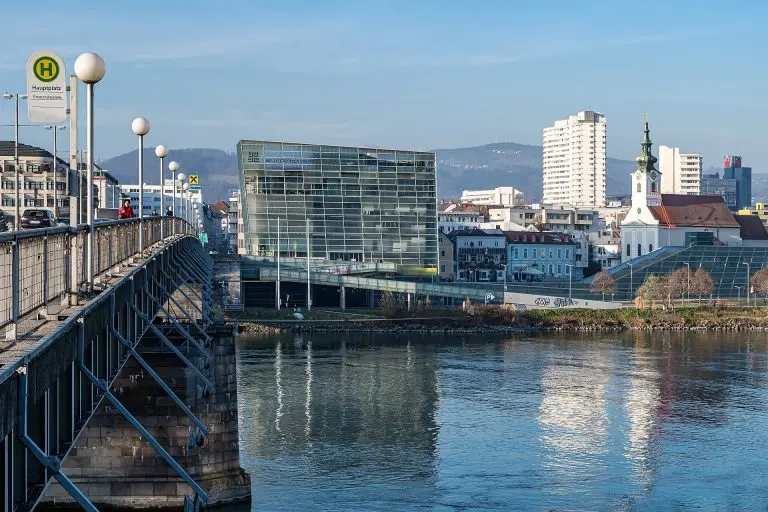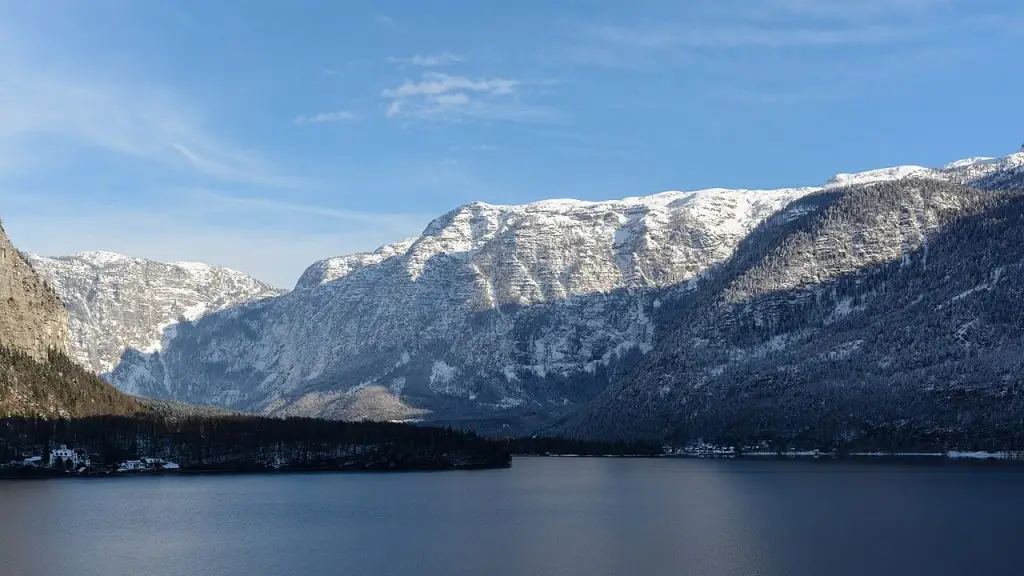
Hallstatt Austria looks almost unreal in photographs: pastel houses squeezed between a deep blue lake and steep forested mountains. It is a UNESCO World Heritage site, a small village in the Salzkammergut region, and one of the most popular day trips from Salzburg and Vienna. Is it worth the trip? Usually yes, if you plan it well.
Hallstatt austria: where it is and how to get there
Hallstatt lies in Upper Austria, roughly an hour and a half to two hours from Salzburg by road or public transport. From Vienna it takes closer to three and a half hours or more. Trains run to Hallstatt station on the far side of the lake, and a short ferry crosses to the village, timed to the train arrivals. Buses and organised day tours also run from Salzburg.
If you drive, the village has parking areas on the edge of the centre, and it is a short walk to the old square. Rules and prices change, so check the official tourist site before you travel. Large tour buses are limited in the village, so many visitors arrive on foot from the parking areas.
What to do in Hallstatt
Walk the village
The old centre is small. Take the lanes by the water, the Marktplatz with its Trinity column and the viewpoint above the village. Plan an hour just to walk around.
The Salt Mine
Hallstatt is one of the oldest salt-mining places in Europe, and the Salzwelten visitor mine is a main attraction. A funicular railway takes visitors up the mountain, and there are guided tours inside the old mine. Check schedules and tickets online.
The Skywalk
The Welterbeblick viewing platform gives a wide look down onto the lake and village. It is reached from the funicular station, and weather determines whether you will see anything at all.
The Beinhaus
The bone house beside the church is a small chapel where decorated skulls are displayed. It is a quiet and a slightly unusual stop, but it should be visited respectfully, as it is a place of remembrance.
On the water
You can rent a small rowing boat or take a boat tour. The lake is calm on a clear day and makes a good break from walking.
Crowds: the honest part
Hallstatt has become a victim of its own fame. Tourist numbers are high, especially in summer and around public holidays, and residents have spoken publicly about the strain. Local authorities have introduced measures such as limits on tour bus arrivals and time slots. You may see signs asking visitors to be quiet and not to enter private property.
To enjoy the village:
- Arrive early in the morning or stay in the evening when day trippers leave.
- Avoid peak summer weekends if you can.
- Visit in autumn, winter or spring for a calmer experience. Winter can be especially beautiful, though some services close.
- Respect residents’ privacy and do not take photos through windows or fly drones without permission.
Where to stay and eat
Staying overnight is the best way to avoid the crowds. Small guesthouses and hotels fill up early, so book ahead. Restaurants serve local dishes such as fresh lake fish, called Reinanke, and Austrian classics such as Kaiserschmarrn, a shredded pancake dessert. Prices in the village are higher than in nearby towns.
Nearby places
- Obertraun: a smaller village across the lake, with caves and a cable car.
- Gosau and the Dachstein area: mountain scenery and hiking.
- Bad Ischl: a spa town once favoured by the Habsburg court.
- Wolfgangsee and St. Gilgen: other beautiful lakes in the region.
When to go
Summer is warm and busy. Autumn brings colour, mist and fewer crowds. Winter has snow and small Christmas markets, though it is also cold and some attractions reduce their hours. Spring is a quiet time, when the village starts to wake up.
A few practical tips
1. Bring a rain jacket. Mountain weather changes quickly.
2. Wear sturdy shoes for steep paths.
3. Carry some cash, since a few small places do not take cards.
4. Check ferry and train times if you are coming by public transport.
Hallstatt Austria is as beautiful as the pictures suggest, but it is also a real village where people live. Go with respect, go early, and you will have a visit worth remembering.
More like this: browse our Austria section.