Every spring, people share posters that look like festival bills, except the bands on them are the artists they actually listen to. These images come from small web apps that connect to a music streaming account, look at your top artists, and arrange them as a festival lineup in the style of a real poster. Apps in the vein of Instafest are playful, quick and surprisingly good at showing you something about yourself. They also raise a few questions about data. Here is how they work and how to enjoy them safely.
How a festival lineup generator works
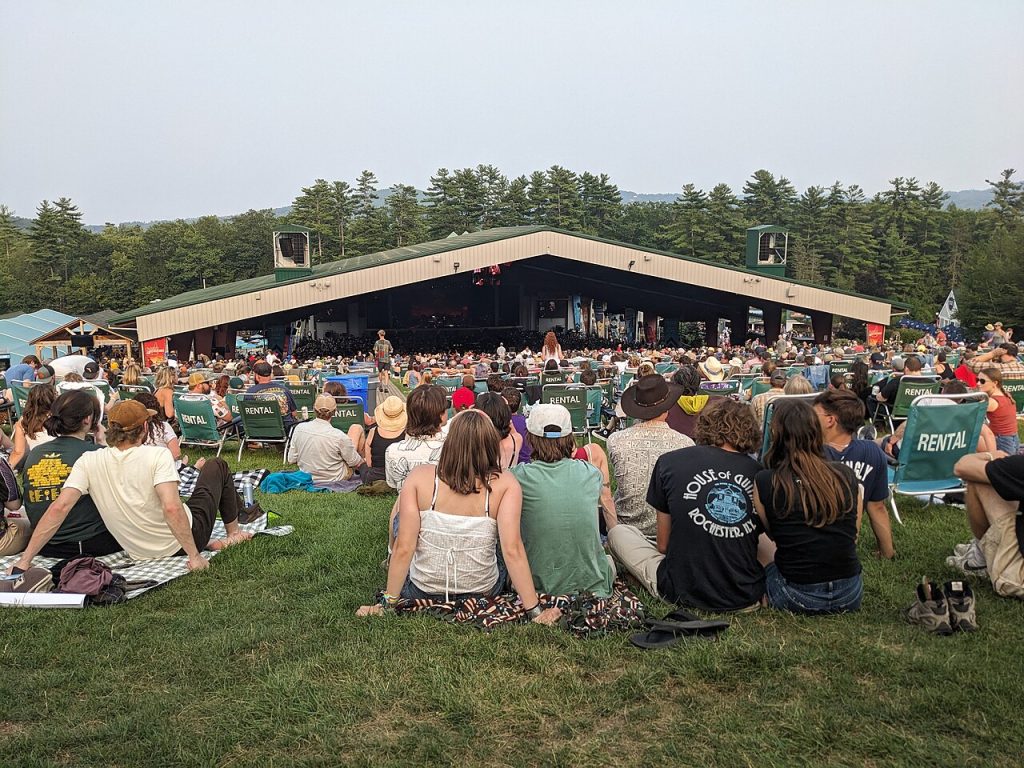
The process is simple and typically takes under a minute. You sign in, and the app sends you to your streaming service, which asks whether you want to give the app permission to view certain information. Streaming services expose an interface for developers that can report the artists you have played most over a recent period, such as the last month, six months or all time. Big live events like these have a long history, summarized in the Wikipedia article on music festivals.
The app then ranks them into your festival lineup. More listened-to artists get bigger billing at the top of the poster, with the rest in smaller type further down, just like a real festival bill. Finally, a template adds a background, a festival name, dates and decorative touches, and you get a picture to download or share.
The charm is that a festival lineup made from your own music feels personal. Seeing your most played artist in giant letters is a small thrill, and the long tail of smaller names reminds you of phases you forgot. That one band you obsessed over for a month in winter may still be hiding in the bottom row, in tiny type.
Why people love sharing a festival lineup
Music is identity. Sharing a festival lineup says something about taste without requiring a long caption. It also invites conversation, as friends compare, joke about guilty pleasures and discover bands. For musicians and small labels, a boost can come from fans tagging an artist they love. The format has the neat side effect of making music discovery social, which streaming has sometimes struggled with.
What you are actually agreeing to
Granting access sounds trivial, yet every connection to your account is worth a quick look. When the permission screen appears, read what it requests. For a festival lineup generator, access to top artists and tracks is reasonable. Requests to modify your playlists, control playback or see private details are not necessary, and a careful user would think twice.
A few habits keep you safe:
- Read the list of permissions on the consent page. Less is better.
- Prefer well-known or open-source tools, and check whether the app explains what it does with data.
- Revoke access afterwards from the apps section of your streaming account.
- Only enter your password on the official sign-in page, never on a lookalike.
That last point deserves emphasis. Whenever a trend goes viral, copycat sites appear, some designed to harvest logins. Check the web address before you type anything.
Think, too, about what the image reveals. Your listening can hint at your mood, your age or your beliefs. Sharing is a choice, so make it consciously.
Making a better festival lineup poster
If you want your festival lineup to look good rather than just exist, try a few tweaks. Choose a time range that reflects your current taste, such as the last month, or go for all time if you prefer a greatest-hits feel. Compare different settings, since the results can be quite different. Check that the names fit cleanly, crop the image for the platform you will share it on, and consider a theme that suits your music: a retro look for classic rock, bold neon for dance. Some apps allow custom titles, so you can name your imaginary festival after a joke or a place.
It also helps to know why two people with similar taste get different posters. Listening time is not the same as affection. A podcast-like album left on repeat while you work will outrank a song you love but only hear twice a month, and a child using your account can push a cartoon soundtrack to the headline slot. If the result looks wrong, check who else has been playing music under your name before blaming the app.
Using it as a discovery tool
There is a quiet benefit hidden in these toys. A poster makes your taste visible, and that can reveal gaps. If your top fifteen are all from one decade or one country, you might use the poster as a prompt to explore. Share it with friends and ask them to build their own, then swap names to find new artists. Or, for a more practical use, treat the festival lineup as a starting point for deciding which live shows are worth buying tickets for.
Little projects like this tend to be built by a handful of developers, sometimes just one, and they can be popular for a few days and then vanish when hosting costs or API rules change. Enjoy them for what they are. Do not rely on them for anything important, and do not feel obliged to hand over more of your data than the fun requires. A good poster is a nice thing; your account security is better.
Related reading: Beyond Google: Six Kinds of Search Engines Worth Trying and Siri and Spotify: Voice Commands That Actually Play Your Music.
Photos: Artaxerxes (CC BY 4.0, Wikimedia Commons); Artaxerxes (CC BY 4.0, Wikimedia Commons).