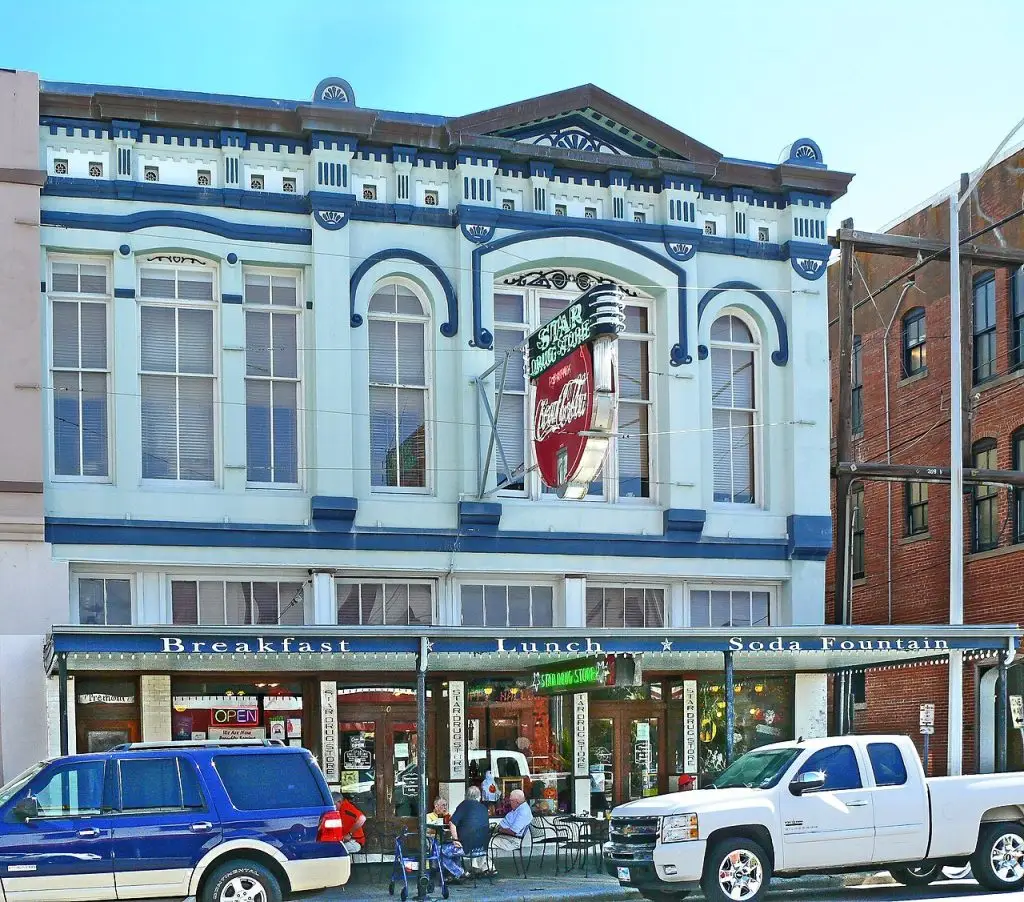
When you type “drugstore near me” into your phone, you probably need something quickly: pain relief, a plaster, allergy tablets, a toothbrush or a prescription. The fastest approach is to open a maps app, search for “pharmacy” and “drugstore” separately, then check which are open. This guide explains how to do that, and what to know when you are in a different country, where the words mean different things.
Drugstore, pharmacy, chemist: they are not always the same
In the United States, a drugstore often sells medicine, snacks, cosmetics and household goods, and it usually has a pharmacy counter at the back. In the UK and many other countries the word is “chemist” or “pharmacy”. In Germany a Drogerie sells toiletries and cosmetics but not medicines, while an Apotheke is the pharmacy. In the Netherlands, a drogist sells vitamins and basic remedies, and an apotheek dispenses medicines. If you need actual medication, search for the pharmacy word in the local language.
How to find a drugstore near me quickly
- Use a maps app: search “pharmacy”, “apotheek”, “Apotheke” or “pharmacie” depending on country. Look at the opening hours shown, but remember they can be out of date.
- Check the opening status: filter by “open now”, then read the latest comments if available.
- Look for the green cross: in many European countries, a green cross sign marks a pharmacy. In some places, a red cross or the letter A is used instead.
- Ask your hotel: reception staff usually know the nearest pharmacy and the late-night option.
- Use airport and station options: large transport hubs often have a pharmacy or drugstore, with longer opening hours.
Late nights, Sundays and holidays
Many countries have rotating night and weekend duty systems. In Germany, pharmacies post a notice with the nearest open emergency pharmacy (Notdienst). In the Netherlands, a duty pharmacy (dienstapotheek) opens outside normal hours, and in France a pharmacie de garde does the same. Often the pharmacy door will have a sign with directions or a phone number. In the US, large chains may operate long hours, and some are open 24 hours in big cities, though this has been changing, so verify before you go. Hours differ everywhere and may have changed recently, so always check.
What you can usually buy without a prescription
- Pain relievers and fever reducers
- Allergy tablets and nasal sprays
- Indigestion and anti-diarrhoea remedies
- Plasters, bandages and antiseptic
- Sunscreen and insect repellent
- Motion sickness tablets
- Throat lozenges and cold remedies
Rules differ by country. A product available on a shelf at home may be behind the counter somewhere else, and vice versa. Pharmacists abroad are trained professionals, and they can often recommend an equivalent. Be ready to describe symptoms clearly and mention allergies and other medicines you take.
Prescriptions while travelling
If you take regular medication, bring enough for the whole trip, plus a few extra days. Keep it in the original packaging, with a copy of the prescription or a letter from your doctor, and know the generic name of the active ingredient, since brand names vary between countries. Some medicines, including certain painkillers and ADHD drugs, are controlled or restricted in some countries. Check the rules of your destination and your airline before flying. For official guidance, consult your home country’s travel health service.
Useful phrases and tips
- Show the pharmacist the name of the medicine on your phone.
- Use a translation app for symptoms.
- Ask if a product contains ingredients you are allergic to.
- Keep receipts if you want to claim on travel insurance.
- In an emergency, do not look for a drugstore. Call the local emergency number: 112 in the EU, 911 in the US and Canada.
Packing a small kit
A tiny travel kit saves time: plasters, pain reliever, allergy tablets, rehydration salts, any personal prescriptions, a thermometer and some antiseptic wipes. It will reduce how often you need to search “drugstore near me” at the worst possible time.
When a drugstore is not enough
If you have severe symptoms, such as chest pain, difficulty breathing, high fever, persistent vomiting or a serious injury, go to a hospital or call emergency services. Pharmacies are for minor problems and advice. Many countries also have telephone health lines, and some travel insurance plans offer 24-hour support.
For more on planning ahead and staying safe abroad, read official travel health advice from your government and the Wikipedia overview of pharmacy terms. A few minutes of preparation means that next time you search for a drugstore near me, you will know exactly what to ask for.
Photo: Jim Evans, CC BY-SA 3.0, source.