Amsterdam has a long connection with diamonds, and the Diamond Museum Amsterdam was for years the place where visitors could see that history on display, close to the Museumplein. Before you plan a visit, note that museum details change, and I cannot confirm from here whether its doors are currently open or what the ticket price is. Check the official website first. This guide explains the background and gives you good alternatives.
Diamond museum amsterdam: amsterdam and diamonds
The city became a centre of the diamond trade in the late sixteenth and seventeenth centuries, when Jewish and Flemish merchants and craftsmen who had left Antwerp for religious and economic reasons settled here. Over the centuries, Amsterdam developed cutting and polishing skills. In the nineteenth century, new machinery and a strong tradition of craftsmen made the city a leading centre. Many of the workshops were in the Jewish quarter and the area around the Weesperstraat.
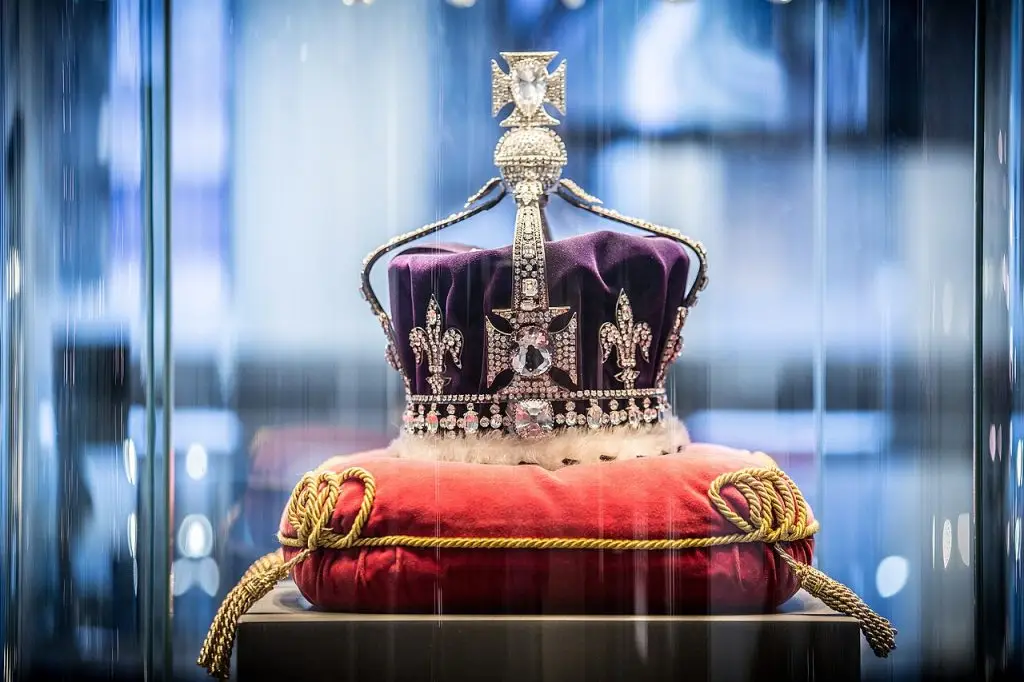
The most famous stone linked to the city is the Koh-i-Noor, which was recut in Amsterdam in the 1850s by the firm of Coster, according to commonly cited accounts. Coster Diamonds, which still operates, is a well-known name that gives tours. Today, Antwerp, Mumbai and Dubai are larger trading hubs, but Amsterdam still has some workshops and showrooms.
What a diamond museum visit looks like
A typical diamond museum includes:
- History displays: how diamonds were mined, traded and cut.
- Replica jewels: famous stones such as the Cullinan, Hope and Koh-i-Noor, often shown as models.
- Cutting demonstrations: craftsmen at work.
- Science exhibits: how diamond is formed, how it is graded using the “four Cs”: cut, colour, clarity and carat.
- Jewellery and shop: a place to buy, though not required.
Visits usually take about an hour. If you are travelling with children, check whether activities for kids are offered.
Alternatives if it is closed
If you cannot get into the museum, there are other ways to learn about diamonds in Amsterdam.
Coster Diamonds
This workshop and showroom close to the Rijksmuseum offers free or low-cost tours that show the cutting process and explain how diamonds are graded. It is a commercial business, so expect a sales presentation at the end, but you do not have to buy anything.
Gassan Diamonds
Another well-known firm housed in a historic building, with guided tours on the polishing process. Opening times and tour formats can change, so book online if possible.
Hermitage Amsterdam and Rijksmuseum
The Rijksmuseum and the Hermitage have jewellery and decorative objects as part of their collections, which give a sense of the culture of wealth in the Dutch Golden Age.
The Jewish Historical Museum
This museum covers the story of the Jewish community in the Netherlands, including the role of diamond workers. It is a good complement for anyone interested in the city’s social history.
Buying diamonds: a few cautions
If you plan to buy, do your homework.
1. Ask for a certificate: reputable grading labs issue reports describing a stone’s characteristics.
2. Compare prices: look at several shops, and at online prices, before you decide.
3. Beware of pressure: a good dealer lets you think.
4. Check return policies and insurance: especially for larger purchases.
5. Ask about origin: many buyers want to know how a stone was sourced and whether it is natural or laboratory-grown.
This is general advice, not financial advice.
Planning your day
The museum district around Museumplein is easy to combine with other sights. The Rijksmuseum, Van Gogh Museum and Stedelijk Museum are all within walking distance. The nearby Vondelpark is a good place to rest, and the P.C. Hooftstraat has high-end shops if you enjoy window shopping.
Getting there
Trams and buses stop near the museum quarter, and the walk from Leidseplein is about 10 minutes. Cyclists should lock their bikes in the official parking spots.
Practical tips
- Book timed tickets in advance if the museum offers them.
- Check opening times on the official site, as some attractions have seasonal hours.
- Bring ID if you plan to buy.
- Leave valuables at the hotel, and keep your bag closed.
A visit to a diamond attraction can be a brief but interesting piece of Amsterdam’s story. Whether you go to the museum itself or to a working workshop, you will learn how a rough stone becomes a sparkling gem and why this industry shaped the city.
More like this: browse our Amsterdam section.