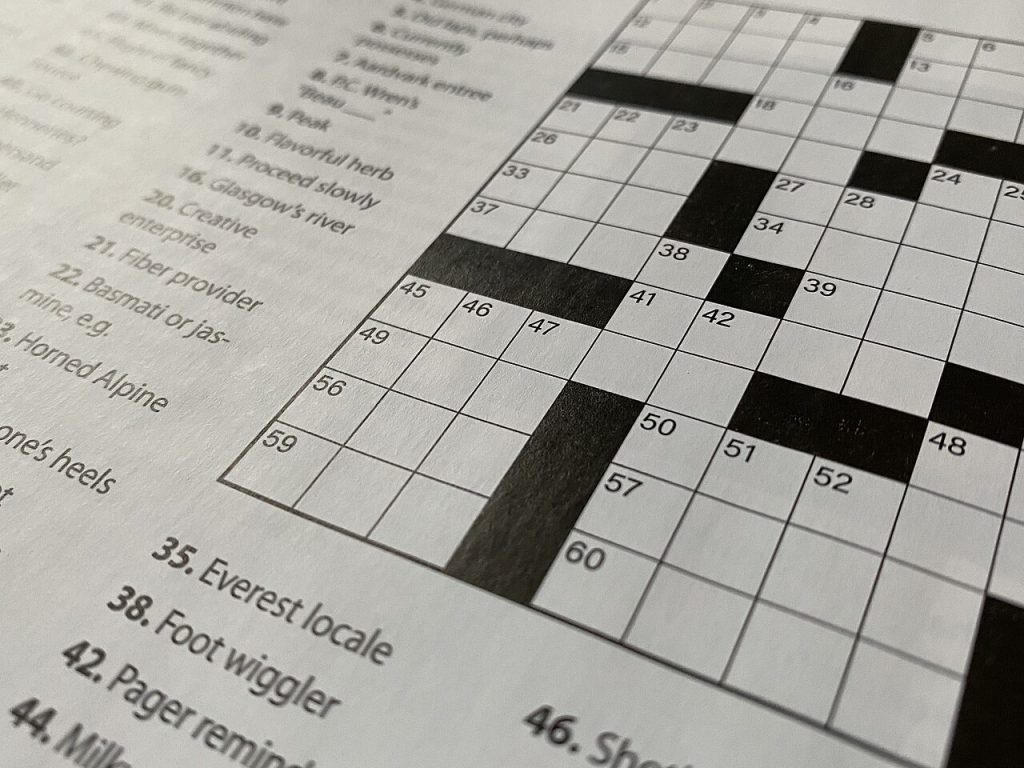
A professional network is not the first place you expect to find puzzle games. Yet daily games keep appearing in places built for resumes and job updates, and plenty of people admit they play them every morning before checking anything else. It sounds odd until you look at what these games do well.
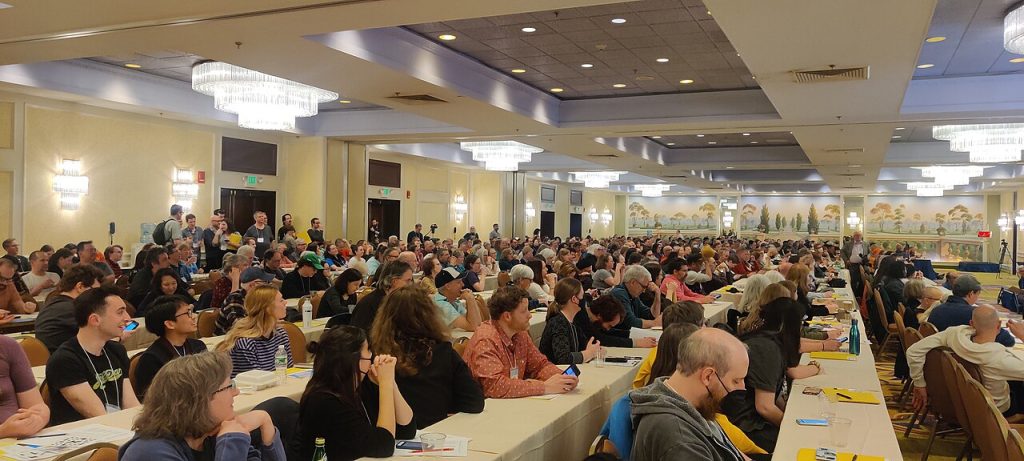
The appeal of puzzle games is smaller than you think
Daily puzzle games are tiny by design. You get one a day, it takes a few minutes, and when you finish there is nothing left to play. That limit is a feature. There is no endless feed to scroll and no level 400 to grind towards. You do the thing, feel a small hit of satisfaction, and leave.
Compare that with the usual rhythm of a work-focused social network: scroll posts, skim announcements, feel faintly behind on your career. A puzzle offers a task you can actually finish.
Why platforms want them
The business case is plain. Social networks live on habits. A game that people return to every day creates a reliable reason to open the app, even for users who would otherwise visit only when job hunting. Visits that begin with a puzzle can end with a glance at messages or a post from a colleague.
Puzzle games also create something that feeds are poor at: shared experience. When your connections have all solved the same puzzle, you have a topic. Comparing scores, streaks and strategies gives people a low-pressure way to talk, which matters on a platform where many users feel awkward about posting.
That social layer is probably the real engine. A solitary puzzle app is easy to drop. A puzzle your former manager also plays is harder to ignore.
What makes a daily puzzle good
Not every attempt at puzzle games works. The ones that last tend to share a few traits:
- Rules you can learn in thirty seconds.
- A difficulty that varies, so some days feel clever and others feel humbling.
- A result you can share without spoiling the answer.
- A fair, honest streak system that does not punish a missed day too harshly.
- No pop-ups, no hurdles to start.
Word and logic puzzle games dominate because they scale from beginner to expert on the same screen. Pattern games and trivia fit too. What does not work is anything that demands installation, long sessions or sign-up forms.
Do games help your career?
Be wary of the claim that puzzle games improve professional performance. Short mental workouts are pleasant, and there is evidence that people enjoy and benefit from regular cognitive activity, but a word game will not get you promoted.
The more realistic upside is social. A common interest makes it easier to start a conversation with someone you barely know. A message that says “that one was brutal today” is a gentler opener than a cold request for coffee.
There is a downside as well. Streaks create pressure, and some people find themselves playing out of obligation rather than enjoyment. If a game starts to feel like another chore on the to-do list, it is okay to walk away.
A note on privacy and time
Work-oriented platforms hold information about your employer, your title and your connections. When a game runs inside such a platform, it can link your play habits to that profile. That is not automatically sinister, but you should read what your activity is used for and check the visibility settings for scores and streaks.
It is also worth watching how much time you spend. Ten minutes a day is a pleasant ritual. An hour is a distraction wearing a ritual’s clothes.
Tips for getting more from daily puzzles
1. Play at the same time every day, so it becomes a pleasant pause instead of a procrastination hole.
2. Start with the area you find hardest and see if you improve over a few weeks.
3. Use sharing features to start a chat with a colleague, not to compete.
4. If the streak stresses you out, reset it on purpose and see how it feels.
Choosing a puzzle worth your morning
Not every daily puzzle deserves a spot in your routine. Try a new one for a week and ask yourself two questions: do I feel better or worse when I close it, and would I miss it if it vanished? Honest answers sort the keepers fast. Puzzle games that respect your time tend to survive.
Among puzzle games, the best ones feel like a coffee, not a meal. They end when you are done, they do not nag, and they leave you with something small to say to a colleague. Keep those, and let the pushy ones go. Try swapping one of your puzzle games for a walk and see which you miss.
Where this is heading
Expect more of the same. Newspapers have used crosswords to build loyalty for a century, and digital publishers rediscovered the trick over the last few years. Now social networks, messaging apps and productivity tools are copying the playbook with their own puzzle games.
Some will be forgettable. A few will find an audience simply because they respect your time. If you ask what makes a good one, the answer is a pleasing small challenge, delivered once a day, with a reason to talk about it afterward. That is not much to ask, and it is why a humble puzzle can outlast a dozen flashier features.
Header photo: John Halpern, Wikimedia Commons (CC BY-SA 4.0).
Related reading on this site: How to Play Classic Game Boy Games on Your iPhone and Why a Simple Daily Geography Game Can Become a Habit.