Type a sentence, get a game. That is the pitch behind a growing wave of experiments in AI-generated games, and it is easy to see why it excites people. Games are expensive and slow to make, and the idea of describing a concept and having something playable appear feels like a cheat code.

So how close is it really? The honest answer is that it depends heavily on what you mean by “game”.
Three very different things people mean by AI-generated games
When someone says an AI can make a game, they might be describing one of three quite separate technologies.
Code generation
Large language models are decent at writing code, including the logic of simple games. Ask for a snake clone, a platformer with one jump button, or a quiz in a browser, and you can usually get something that runs. This is the most practical form today, because the output is ordinary code that a person can read, fix and extend.
Asset generation
Image, audio and text models can produce sprites, backgrounds, sound effects, character dialogue and level descriptions. They save time on art and writing, but the results often need cleaning up to look consistent across a whole project.
Generated worlds
The most dramatic demos try to produce the game itself frame by frame, with a model predicting what the screen should look like next in response to your input. It is a fascinating research direction. It is also the hardest to turn into something dependable, because there is no underlying rulebook. Objects can change when you look away, and physics can wobble.
Where the tools are genuinely useful
Prototyping is the obvious win for AI-generated games. A designer with an idea can test a mechanic in an afternoon instead of a month. Even if the code is thrown away later, the feeling of the idea is worth knowing early.
Game jams, classroom projects and hobbyists benefit from AI-generated games too. Someone who has never programmed can get a first playable thing on screen, which is often the hardest step. And small studios can use AI for placeholder art or for generating variations on a theme while humans make the final calls.

Where they struggle
Fun is hard, and AI-generated games struggle with it. A game is not a pile of features, it is a loop that feels good when repeated hundreds of times. Tuning jump height, enemy timing, reward pacing and difficulty curves takes playtesting and taste. A model can imitate the surface of a game it has seen, but it does not feel boredom or frustration the way a player does.
Consistency is the second problem. AI-generated games tend to be shallow and samey. Many produce a decent first minute and then run out of ideas. Bigger projects need save systems, balance, accessibility options, networking and testing, none of which come out of a single prompt.
There are also open questions about rights around AI-generated games. Models trained on existing games and artwork raise legal and ethical concerns that creators and companies are still arguing about. If you plan to sell something, it is worth knowing where your assets came from.

How a smart person would use these tools today
- Use AI to explore ideas fast, then rebuild the good ones properly.
- Keep a human in charge of the core loop and the feel.
- Treat generated art as a draft unless you have a clear license for it.
- Read the code you are shipping. Generated code can hide bugs and security holes.
- Playtest with real people early and often.
This is much like how spreadsheets did not eliminate accountants. They removed the dullest parts of the job and raised the amount of work one person could do.
Why big companies care
Large technology firms like AI-generated games for reasons beyond the games themselves. Interactive worlds are a demanding test for models: they need memory, consistency and quick reactions. A system that can hold a believable game world together is learning skills that apply to simulation, robotics and training environments.
That is partly why you will see more experiments in this area, often labeled as early tests rather than products. Treat the demos as research previews. They show direction, not a finished tool you can bet a studio on.
An evening project to test the idea
A fair way to judge the hype is a small experiment. Pick a game you can explain in one sentence, like a one-button dodger, and ask a tool for it. Play the result for ten minutes and write down what feels wrong. Treat AI-generated games as sketches, not products.
Then change one thing by hand, such as jump height or enemy speed. You will quickly feel the gap between AI-generated games that merely run and games that are fun, and you will learn what to ask for next time. Share the experiment with a friend and compare how your AI-generated games turn out.
The takeaway
AI will make it easier to start a game and cheaper to finish parts of one. It will not remove the need for design judgment, and the best games will still come from someone who cared about how a thing felt in the hands. If you are curious, try one of the prompt-to-game tools for an evening. You will learn quickly what it does well, and you will probably come away with a better sense of what makes a game worth playing in the first place.
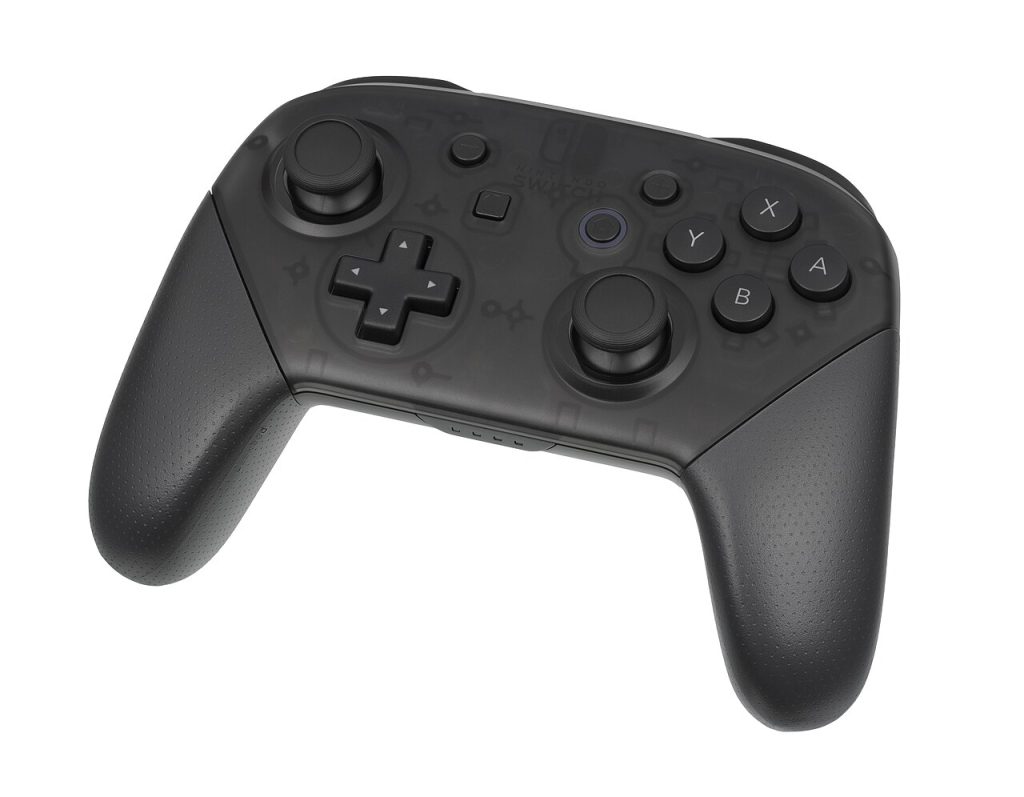
Header photo: Evan-Amos, Wikimedia Commons (Public domain).
Related reading on this site: Why Short Puzzle Games Work on a Professional Network and How to Play Classic Game Boy Games on Your iPhone.