The phrase “chateau France” covers thousands of buildings, from a fairy-tale riverside palace to a modest manor with a wine cellar. Picking the right one is half the trip. Here’s a practical way to choose, based on how much time, transport and energy you have.
Start with the region
Loire Valley
This is the classic chateau region. Chambord, with its huge Renaissance roof and famous double-helix staircase, is a signature sight. Chenonceau spans the River Cher with graceful arches. Others, such as Amboise, Blois and Villandry (known for its gardens), cluster within an hour or two of each other. The area is on the UNESCO World Heritage list.
Around Paris
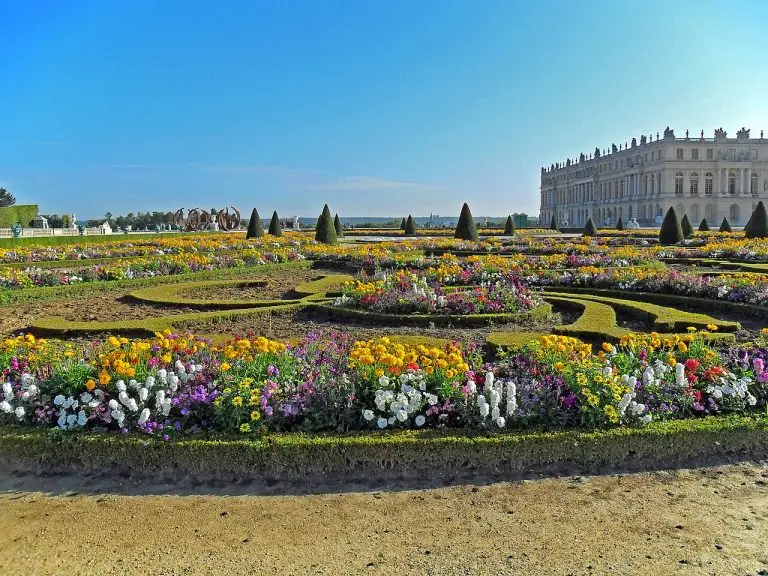
Versailles is the big one, a short trip from the capital by RER C. Fontainebleau, southeast of Paris, is quieter and has a rich royal history. Vaux-le-Vicomte is another option, often praised for its gardens. These suit short trips without a car.
Other regions
Dordogne has castles perched on cliffs, Normandy has medieval fortresses and Burgundy and Bordeaux have wine chateaux where visits often include tastings. If you love vineyards, book a tour in advance.
Palace or castle? Know the difference
“Chateau” in French simply means a large country house or castle. Some are military fortresses with towers and moats, some were built for pleasure with gardens and galleries, and some are working wine estates. Decide what you enjoy most and look at photos of the interiors before you go.
Getting around
- Train and bus: Tours, Blois and Amboise have rail stations. Local buses or taxis cover the last stretch to some chateaux.
- Car: It’s the most flexible way to link several Loire chateaux in a day, though parking costs and country roads need patience.
- Bike: The Loire à Vélo route is popular, with gentle terrain between towns.
- Guided tours: Small-group trips from Paris or Tours are an option if you don’t want to drive. Compare what’s included, such as entry tickets.
A simple three-day Loire plan
- Day one: Base in Amboise or Tours. Visit Amboise town and its chateau, then Clos Lucé in the afternoon.
- Day two: Chenonceau early, then Chambord late in the day to avoid peak crowds.
- Day three: Villandry gardens, or Blois chateau and an evening stroll by the river.
Tickets and timing
Prices and opening hours change by season, and some chateaux close on certain days or during winter. Always check each official website before you go. Timed online tickets can save you from long queues, especially at Versailles. Arrive at opening or in the last two hours of the day for the quietest visits. Summer weekends and school holidays are the busiest.
What to wear and carry
Comfortable shoes are essential, because gravel paths, cobblestones and stairs are everywhere. A light jacket helps in stone interiors, even in summer. Bring water, and check bag-size rules on the official site because some places have lockers or restrictions.
Food and wine
Loire cuisine is built on river fish, goat cheese such as Sainte-Maure de Touraine and local wines like Vouvray and Chinon. Try a lunch menu in a small town rather than the cafe beside the entrance. It’s typically better value.
Which one should you pick?
Mistakes to avoid
Trying to see too many places is the classic one. Chambord alone can take half a day, and Versailles can fill a full day if you add the gardens. Another is arriving without a ticket on a summer weekend. Check closing days, as some chateaux shut on Tuesdays or in winter. Finally, avoid booking accommodation far from the stations or your bike route. For a smooth chateau France holiday, pick a base in Amboise, Blois or Tours, and return there each evening. Moderate, well-timed visits beat a rushed checklist.
Accessibility is worth checking too. Many older chateaux have steep stairs and uneven floors, and some gardens are on gravel. Official sites list access details and sometimes offer alternative routes, so you can plan a comfortable visit for older relatives or anyone using a pushchair.
For one day from Paris, choose Versailles or Fontainebleau. For two or three days with a car or bike, go to the Loire. For romance, think Chenonceau. For gardens, Villandry or Vaux-le-Vicomte. Whatever you choose, a chateau France trip works best when you do fewer places, but properly. For background, Châteaux of the Loire Valley gives an overview.
Related reading: Hotel Hacks to Save Money on Your Next Trip and Amsterdam Brewery Windmill: Brouwerij 't IJ and De Gooyer