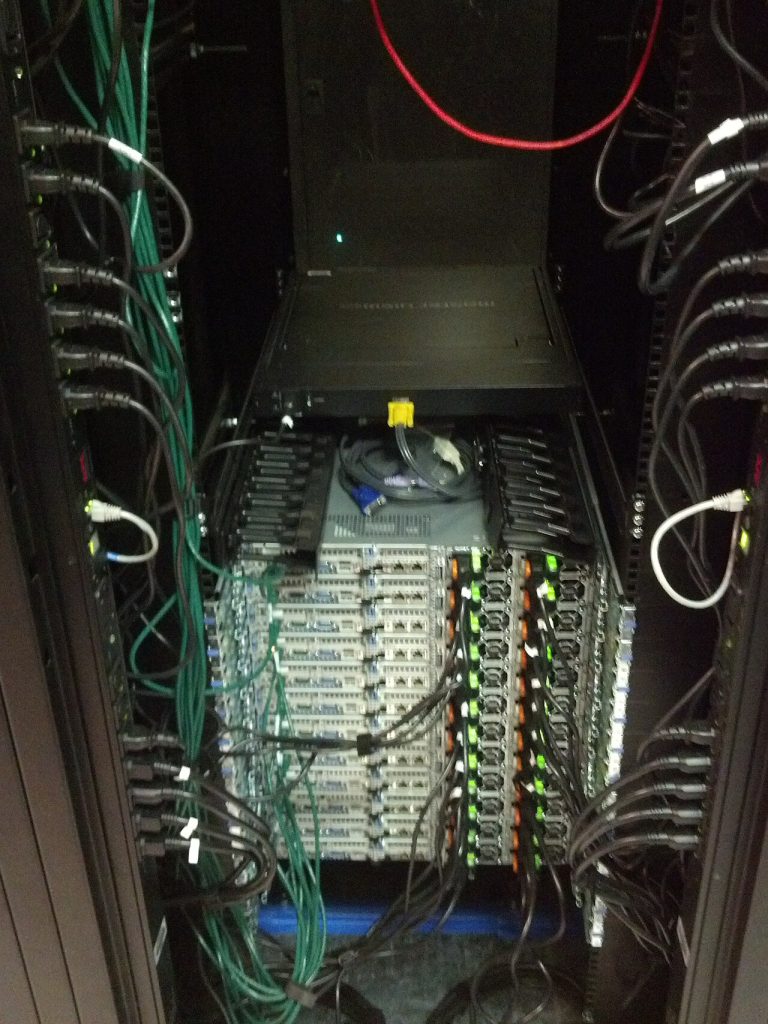
Training or running a large AI model needs a physical thing: thousands of specialized chips, wired together with fast networking, bolted into racks, cooled, and fed with a steady supply of electricity. Governments have noticed that most of those machines sit in a handful of countries, and many now want sovereign AI compute inside their own borders. The reasons make sense. The execution is harder than the speeches suggest.
Why countries want sovereign AI compute
There are three motives that come up again and again. The first is control over data. Health records, tax data and government documents are subject to national rules, and some agencies prefer not to ship them to a foreign cloud. The second is access. If chips or cloud credits become scarce, or export policy shifts, a country relying entirely on imports can be stuck. The third is economic: local startups and researchers often pay a premium or wait in line for foreign capacity, which slows them down.
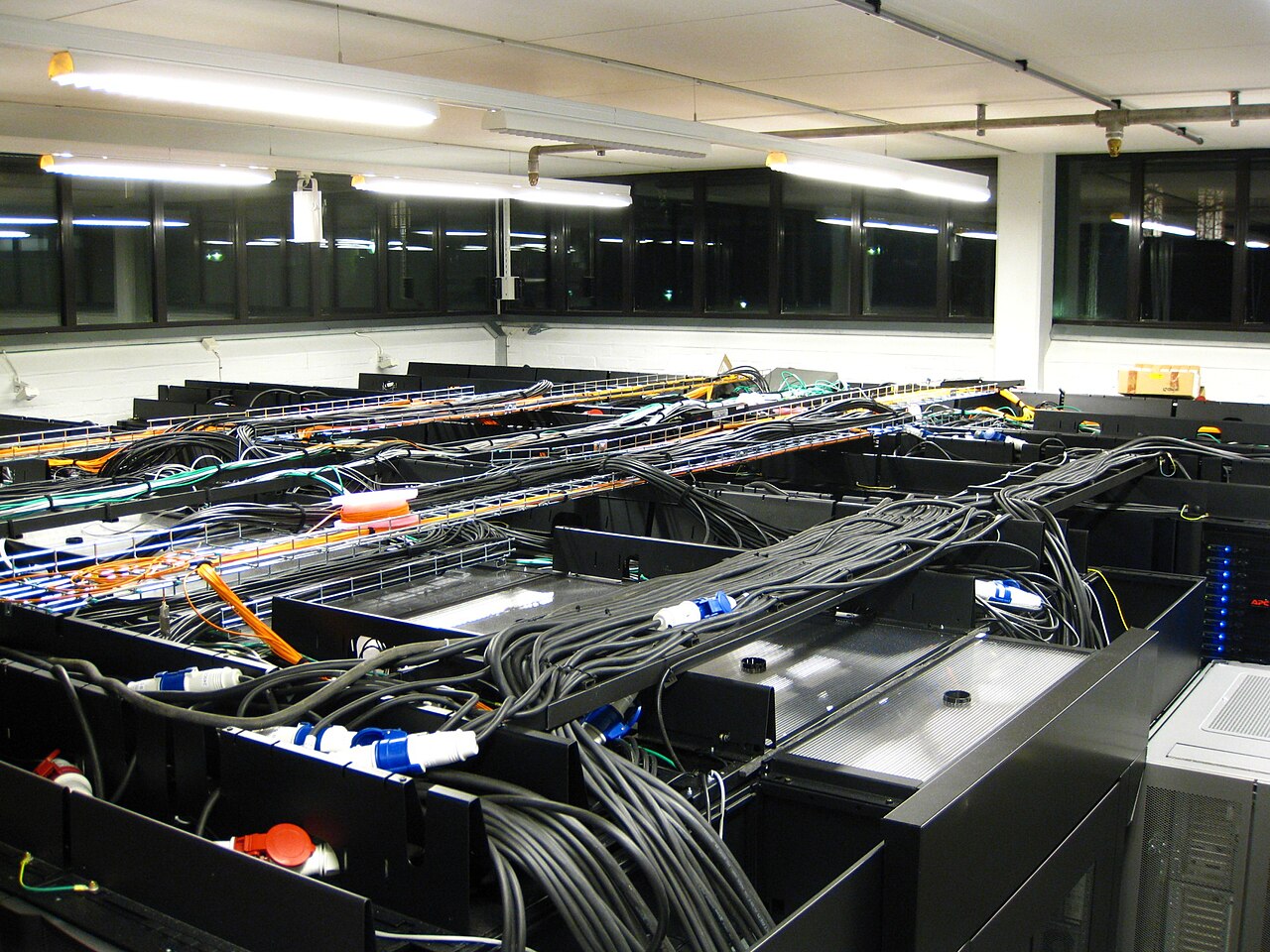
None of these motives require a country to match the largest producers of computing. A modest sovereign AI compute pool of GPUs, offered to universities, startups and public agencies at fair rates, solves a lot of practical problems.
The ingredients, in order of difficulty
Chips
Advanced accelerators are made by very few companies and fabricated in very few places. A country that wants them has to buy on the international market, compete with large cloud providers for allocation, and live with export rules. That makes supply a diplomatic matter as well as a commercial one.
Power and cooling
This is the constraint people underestimate. A dense AI facility draws power on the scale of a small town. Grid connections can take years to approve, and a region with unreliable electricity will need on-site generation or storage. Heat is the other half: air cooling struggles with the densest racks, so newer builds lean on liquid cooling, which changes building design and water use.
Land, network and talent
Sites need fiber, permits and nearby engineers who can keep the systems running. Operating a large cluster is a specialty. Failures are constant at scale, and getting good utilization takes software expertise that is scarce everywhere.
How sovereign AI compute gets paid for
The upfront bill is large, and the hardware ages fast. A cluster bought today will be outclassed within a few years, so financing has to account for depreciation much faster than a warehouse or a road. That is why many projects blend sources: private infrastructure investors, bank debt secured against contracts, government incentives, and anchor customers who commit to renting capacity in advance.
The anchor customer piece matters most for sovereign AI compute. Lenders want to see that the capacity is already spoken for before they fund it. A cluster with no committed buyers is a speculative asset, and a cluster with a long contract from a government agency or a large enterprise is something a bank can underwrite.
What to watch when a new national project is announced
- Whether the headline number for sovereign AI compute is committed capital or a ceiling that may never be drawn.
- The utilization plan: who actually rents the machines, and at what price.
- Where the power comes from, and whether it is already contracted.
- Which chips are being bought and whether delivery is secured.
- Whether local companies can use it without a long procurement process.
The risks nobody puts on the slide
A project can look sound on paper and still stumble on ordinary things. Imported hardware can sit in customs, a substation can slip a year, and a training program for operators can start too late. Each delay costs money while the chips depreciate, which is why timelines deserve as much scrutiny as budgets.
Building a shared foundation is hard in other areas too, as seen in why an independent web search index is so hard. Overbuilding is the obvious one. If demand grows more slowly than forecast, or if models become efficient enough to need less hardware, expensive capacity can sit idle. Another is lock-in to a single vendor’s software stack, which makes switching painful. And there is the risk of building impressive infrastructure without the applications to use it, leaving a technology showpiece with few customers.
There is also a fair question about whether sovereign AI compute is truly sovereign when the chips, the firmware and often the model weights come from abroad. Full independence is out of reach for nearly everyone. Big infrastructure deals also reshape what customers pay, a theme in what telecom mergers change for customers. The realistic aim is resilience: enough local capacity that a disruption does not freeze the national AI effort, plus the skills to operate it.
A sensible way to read the news
When you see a large financing announced for sovereign AI compute, treat it as the start of a long build, not a finished result. The questions that matter come later: did the power connection arrive on time, did the chips ship, did paying customers show up? Countries that answer those well will have a useful public resource. Those that treat the announcement as the achievement tend to have a lot of concrete and not much computing.
Image: International Gemini Observatory/NOIRLab/NSF/AURA/Manuel Paredes / Wikimedia Commons, CC BY 4.0.