
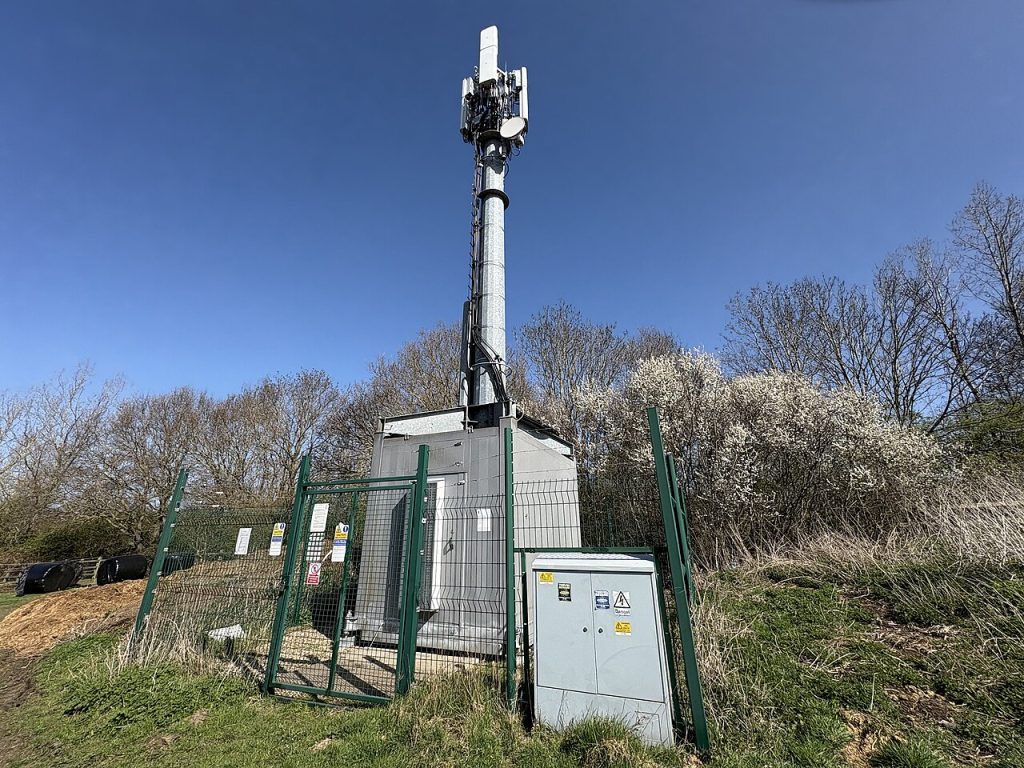
Few industries merge as often, or as slowly, as telecoms. A typical one of these telecom merger deals can take a year or more to clear, involve competition authorities in more than one country, and still leave customers wondering whether their bill will go up. The pattern is familiar enough that you can learn to read it.
Why telecom merger deals keep happening
Building a network is staggeringly expensive. Masts, fibre, backhaul links, billing systems, shops and spectrum licences all cost money before the first customer pays a penny. Much of that spending is financed with debt, much as cloud and software giants borrow billions in the bond market. Once built, though, the marginal cost of adding another subscriber is low. That gives larger operators a structural advantage: they spread fixed costs over more people.

Mergers also let companies fill gaps. A firm strong in mobile may lack fixed broadband, and the reverse. Bundles of phone, home internet and television reduce churn, since customers who take several services are less likely to leave. Combining two networks may also remove overlapping towers and offices, which is where the promised savings usually come from.
How regulators judge telecom merger deals
Competition authorities ask a basic question: will the deal leave customers worse off? They look at market share in each service, the number of rivals that remain, and whether new entrants could realistically challenge the merged company.
The worry with mobile telecom merger deals is typically a shift from four national networks to three. Fewer competitors can mean less pressure on price and less incentive to invest. When a deal joins firms in different segments, such as a mobile operator and a fixed-line provider, the concerns are different and often milder, since they do not directly compete in the same market. Authorities then look at things like access to wholesale network capacity, which smaller rivals rely on.
Remedies are common. Regulators may demand that spectrum is sold, that wholesale access is guaranteed for a period, or that certain prices are held. Approval with conditions is the normal outcome, not the exception.
What customers actually notice
In the short term, almost nothing. Contracts stay in place. Brands continue to exist. Behind the scenes, engineers start planning which sites to keep and which core systems to merge, and that can take years.
Over time, a few effects may appear.
- Pricing. Evidence from past consolidation is mixed. Some studies find higher prices after fewer rivals, others find that investment improved and quality rose. It depends on the market and the remedies.
- Coverage. Combining networks can improve signal and speeds in places where one company was weak, particularly indoors and in rural areas.
- Service. Merging customer support, billing and apps is messy. Expect hiccups, plan changes and the occasional wrong bill.
- Choice. Cheaper brands that rely on the merged company’s network may see their terms change.
A concrete case helps. Imagine a mobile operator buying a company that sells home broadband and television. In the mobile market the two barely overlap, so the headline competition worry is small. But the buyer might now offer a phone, internet and TV bundle with one discount, and the regulator will ask whether rivals that sell only one of those services can still compete. That kind of question often decides how telecom merger deals end.
Wholesale arrangements add another layer. Smaller brands, often called virtual operators, rent capacity on the big networks. If the merged firm controls more of that capacity, those brands depend on a single landlord, a squeeze familiar from software vendors whose biggest customers become competitors. Regulators sometimes protect them by requiring access on fair terms for a set period, and customers of those small brands are affected without ever hearing the merger’s name.
Staff and shops are part of it too. Overlapping offices and retail stores are where the promised savings come from, so a merger often means local job cuts alongside the corporate announcement.
Reading the claims
Announcements of telecom merger deals are full of numbers: savings, synergies, investment pledges. Treat them as ambitions, not forecasts. Cost savings often come through job cuts and closing duplicate sites, while investment promises may be conditional on regulators agreeing to terms.
The best test is whether commitments are written into conditions and enforced. A pledge to invest in rural fibre with a deadline and a penalty is worth much more than a pledge in a press release.
What you can do
If your provider is part of one of these telecom merger deals, the sensible approach is to stay calm and keep your options open. Check when your contract ends. Note the date you could leave without penalty. Telecoms regulators in many countries publish comparison tools and switching rules, and some require operators to let you exit if they raise prices mid-contract.
Do not rush to change plans just because a deal was announced; the integration is slow. But do pay attention to the first renewal notice after the dust settles. That is when pricing and bundles tend to be reset, and when a call to customer service asking for a better offer works best.
Telecom merger deals rarely deliver the revolution that either their promoters or their critics predict. What they do deliver is a quieter reshuffling of who owns the poles, the fibre and the customer relationship. Keep an eye on the conditions attached and the competition left standing, and you will know most of what matters.
Image: Diacius / Wikimedia Commons, CC BY-SA 4.0.



