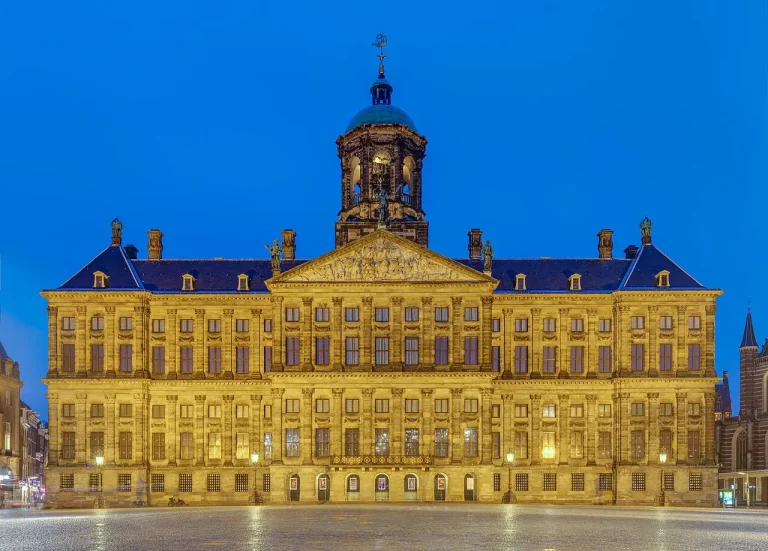
If you search for Amsterdam Museum, you might mean the city’s own history museum or you might simply want a good museum visit in Amsterdam. This guide covers both. The Amsterdam Museum tells the story of the city, and around it sits a cluster of world-class museums for art, history and design. Understanding how they differ helps you choose without wasting a rainy afternoon.
The Amsterdam Museum: the city’s story
The Amsterdam Museum is dedicated to the history of Amsterdam, from its beginnings as a small settlement on the Amstel river to its rise as a global trading center and a modern, diverse city. It is located in the old center near Kalverstraat and Dam Square, in a historic building that was once a city orphanage. Its collection includes paintings, objects and archaeological finds, and it is known for presenting the city’s story with a critical eye, including the Golden Age’s trading wealth and the darker side that came with it.
Because museums sometimes close for renovations or change their exhibits, check the museum’s website for opening status, current displays and ticket prices before you go. This is especially important for this museum, as its building and programming have changed in recent years.
The big three on Museumplein
Most visitors also want the major art museums near Museumplein.
Rijksmuseum
The national museum holds Dutch art and history from the Middle Ages onward, with highlights such as Rembrandt’s The Night Watch and Vermeer’s The Milkmaid. Plan at least three hours. The museum is large, so pick a route rather than trying to see everything.
Van Gogh Museum
This museum has the largest collection of Van Gogh paintings and drawings, shown in a chronological way that follows his life. Tickets are timed and sell out, so book online in advance.
Stedelijk Museum
The Stedelijk covers modern and contemporary art and design. It is a good balance if you have seen enough Golden Age portraits.
Other museums worth considering
- Anne Frank House: a moving visit that requires advance tickets, released at set times. Do not count on buying at the door.
- Hermitage Amsterdam: hosts changing exhibitions on the Amstel.
- Rembrandt House: the painter’s former home and studio in the Jewish Quarter area.
- Scheepvaartmuseum (National Maritime Museum): reflects Dutch seafaring history.
- Foam: a photography museum on the Keizersgracht.
- NEMO Science Museum: hands-on science for families, in a building shaped like a ship’s hull.
- Moco Museum and Hermitage: for contemporary exhibitions.
Choosing the right museum for you
Choose by interest and time. For city history, the Amsterdam Museum is the natural fit. For art, Rijksmuseum and Van Gogh are the headline acts. For World War II history, the Anne Frank House and the Dutch Resistance Museum (Verzetsmuseum) are major choices. For families, NEMO or the Tropenmuseum, known for its cultural collections, work well.
Avoid trying to visit more than two major museums a day. After the second you will likely be tired and absorb less.
Tickets and passes
Many museums use timed tickets, which you should buy online. A few passes can help:
- the Museumkaart, a Dutch annual pass, which gives access to hundreds of museums; check whether visitors can buy it and whether it pays off for your plans
- the I Amsterdam City Card, which bundles transport and entry to a number of attractions, though you should add up the places you will actually visit before buying
Free or reduced entry is often offered to children and young people, and rules differ for each museum. Bring ID if you claim a discount.
Best times to go
Museums are busiest at midday, on weekends and during school holidays. Early morning or late afternoon visits are typically quieter. Many museums close on certain days or have late openings on a particular evening, so look at the website. If the weather is good, balance museum time with a walk along the canals or a visit to Vondelpark.
Practical tips for museum days
- Wear comfortable shoes; stone floors are hard on the feet.
- Check bag and coat policies, as larger backpacks often must go in a locker.
- Photography without flash is often allowed, but not everywhere.
- Look for audio guides or museum apps, which can be better than the printed map.
- Eat before or after your visit, as museum cafes can be crowded at lunchtime.
Getting there
Amsterdam Centraal station is roughly a 10 to 15 minute walk to the Dam area, and trams run to Museumplein from the station. The Rijksmuseum, Van Gogh and Stedelijk are all within a short walk of each other. Many travelers walk between sites, which is a good way to see the city, but trams and the metro are quick if it rains.
Official sources
For the latest information on the city’s history museum, including exhibitions and ticketing, see the Amsterdam Museum website. As always, prices and hours change, so check the official pages for each museum before you go.
Wrap-up
An Amsterdam museum visit does not have to be exhausting. Choose one or two places that match your interests, book timed tickets ahead, and leave room for coffee and canals in between. Whether you start with the Amsterdam Museum to understand the city itself or head straight to the great art collections, you will leave with a deeper picture of why Amsterdam matters.
More to read
Image credit: Basile Morin via Wikimedia Commons (CC BY-SA 4.0).