

A fast chip that nobody can program is a paperweight, and that is the quiet lesson of the AI chips race. That simple truth sits at the center of a long-running contest between Nvidia, whose graphics processors dominate AI training, and the big cloud providers designing their own silicon. The most important part of an AI chip is often not the chip at all, but the software that lets developers use it.
I will keep this to durable ideas rather than any particular launch, since product details change quickly.
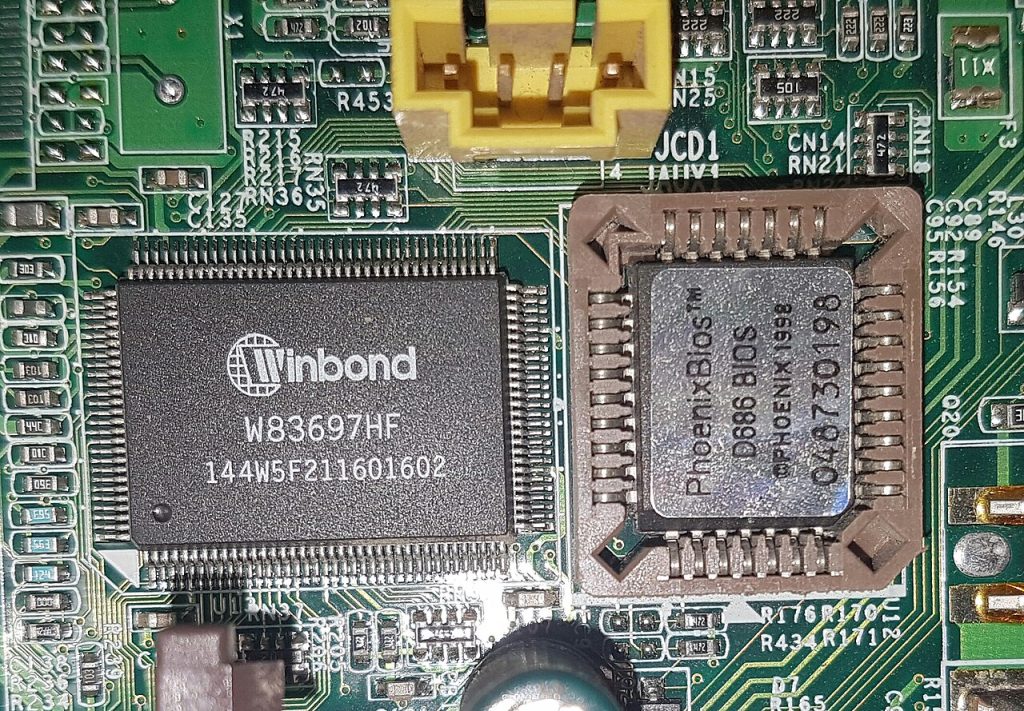
Why cloud providers design their own AI chips
Renting out Nvidia GPUs is lucrative for Nvidia and expensive for everyone else. A cloud company that designs its own processor can control cost, supply and power use. It can tune the chip for the workloads its customers actually run instead of paying for features they never touch.
Custom AI chips can also be cheaper to operate at scale. When you serve millions of AI requests an hour, shaving a few percent off the cost of each one adds up to real money. And relying on a single supplier is risky when demand outruns production, as it has more than once in recent years.
The software moat
Here is the catch. For years, most AI research has been written to run on Nvidia’s programming platform, called CUDA. Libraries, tutorials, debugging tools and a decade of developer habits are built around it.
New AI chips might be faster on paper, but if your model needs weeks of rewriting to run on it, the savings evaporate. Imagine a small team with a working product on GPUs. A rival chip promises thirty percent lower cost. But the engineers would have to rewrite custom operations, relearn the profiling tools and retest everything. For many teams that is a quarter of lost product work, and the discount does not cover it.
That is why the real fight is over software. The less effort it takes to move an existing project to different AI chips, the more credible the alternative becomes.
Most modern AI work is done in a framework called PyTorch, which sits above the hardware. In theory that makes chips interchangeable: write once, run anywhere. In practice the translation layer between PyTorch and a chip must be very good. It has to handle every operation a model uses, run them efficiently and give useful errors when something breaks. Tools that make a custom chip feel like an ordinary PyTorch target are a big step toward closing the gap, because developers do not have to learn a new way of working.
Training versus inference
It helps to separate two jobs. Training builds a model, takes huge clusters and tends to stay on the most proven hardware. Inference runs a finished model to answer requests, and it happens constantly.
Inference is where alternative AI chips often make sense first. The workload is more predictable, the cost per request matters more, and the software stack is simpler. Many companies train on GPUs and serve on cheaper silicon, because a model that answers a million small questions a day rewards low running costs more than peak speed, which lets them keep the mature tooling where it matters most and save money where volume is highest.
What developers should check before switching
If you are weighing a move off GPUs to other AI chips, test with your own workload rather than trusting a benchmark chart. Does your model run unchanged, or does it need code edits? How is performance at your batch sizes and sequence lengths, not just on the headline task? How good are the profiling and debugging tools? What happens if you want to leave, and is there lock-in in storage, networking or tooling? Is capacity available in the regions you need, at a commitment length you can accept?
A practical approach is a two-week pilot on one non-critical service. Run it side by side with the existing setup, compare cost per thousand requests and note every hour spent on porting. The hours matter as much as the dollars.
Why this matters even if you never buy a chip
You may never choose among AI chips, but the outcome affects you. If alternatives become easy to use, the cost of running AI features drops, and that tends to show up in cheaper plans, more generous usage limits and more products that can afford to include AI. Competition also pushes everyone to improve. A dominant supplier has less reason to cut prices or open its software, and a credible rival changes that math.
Nvidia is not going away, and nobody serious in the industry expects it to. It has a head start in software, a loyal community and fast product cycles. Custom AI chips will carve out portions of the market, especially inside the clouds that build them, rather than replace GPUs everywhere.
So when you read a story about a challenger taking aim at Nvidia, look for one thing: does the new tool reduce switching effort for real teams? If it does, it matters. If it only promises better numbers, wait for independent tests. AI chips get the headlines, but software wins customers.
Related reading: AI Inference Explained: Why Serving Models Is Its Own Business and How to Tell What Your Company’s AI Spending Is Actually Buying.
Photos: Wikimedia Commons contributor (Public domain, Wikimedia Commons); TheStriker (CC BY-SA 4.0, Wikimedia Commons).



