Four days in Malta is enough time to see the main sights without racing, provided you group them sensibly. The islands are small, but traffic can be slow and bus journeys longer than the map suggests, so it pays to pair places by region. This itinerary assumes you are based around Valletta, Sliema or St Julian’s, and uses a mix of public transport, ferries and the occasional taxi or rental car. Treat it as a flexible plan rather than a rigid timetable.
Day 1: Valletta
Start with the capital. Valletta was built by the Knights of St John after the Great Siege of 1565, and its grid of streets climbs steeply up from the harbour to a ridge. Spend the morning at St John’s Co-Cathedral, known for its ornate interior and the Caravaggio painting The Beheading of Saint John the Baptist, then walk to the Upper Barrakka Gardens for views over the Grand Harbour. The noon gun is fired from the Saluting Battery nearby on most days.
After lunch, visit the Grandmaster’s Palace or the National War Museum at Fort St Elmo, then wander the side streets. Many of the traditional wooden balconies are painted in bright colours. If you have energy left, take the small ferry across the harbour to Sliema or ride one of the traditional dgħajsa boats for a look at the waterfront.
Day 2: Mdina, Rabat and the west
Head inland to Mdina, the old capital, a walled hilltop town with narrow lanes and few cars. Its silence is its charm, so go early before tour groups arrive. Visit St Paul’s Cathedral and enjoy the lookout over the island. Just outside the walls is Rabat, with the catacombs of St Paul and St Agatha, and a good place for a pastizz, a flaky pastry filled with ricotta or peas.
In the afternoon, continue to the Dingli Cliffs, the highest point on the islands, with sweeping views at sunset. If time allows, take a stop at the Ta’ Qali craft village or at Buskett Gardens, a rare wooded area.
Day 3: Gozo
If you only have 4 days in Malta, do not skip the sister island.
For many visitors Gozo is the highlight of four days in Malta. The ferry from Ċirkewwa to Mġarr runs frequently, takes roughly 25 minutes, and carries foot passengers, with a fare charged on the return only. Check the current timetable and fare. On Gozo, visit the Citadel in Victoria, a fortified hilltop town with a cathedral and museum, then go to the Ġgantija temples, which are among the oldest freestanding structures in the world and part of Malta’s UNESCO-listed megalithic sites.
For an afternoon swim, try Ramla Bay, known for its reddish sand, or take a boat to the Blue Lagoon on the small island of Comino. In high summer the lagoon gets very crowded, so aim for early morning or late afternoon, or visit in shoulder season.
Getting around Gozo
Buses reach the main towns, but they are less frequent. Rental cars, taxis and organised tours are common alternatives. Many travellers hire a scooter or take a full-day tour to cover more ground.
Day 4: Three Cities and the south-east
The last of your 4 days in Malta can be slower and more coastal.
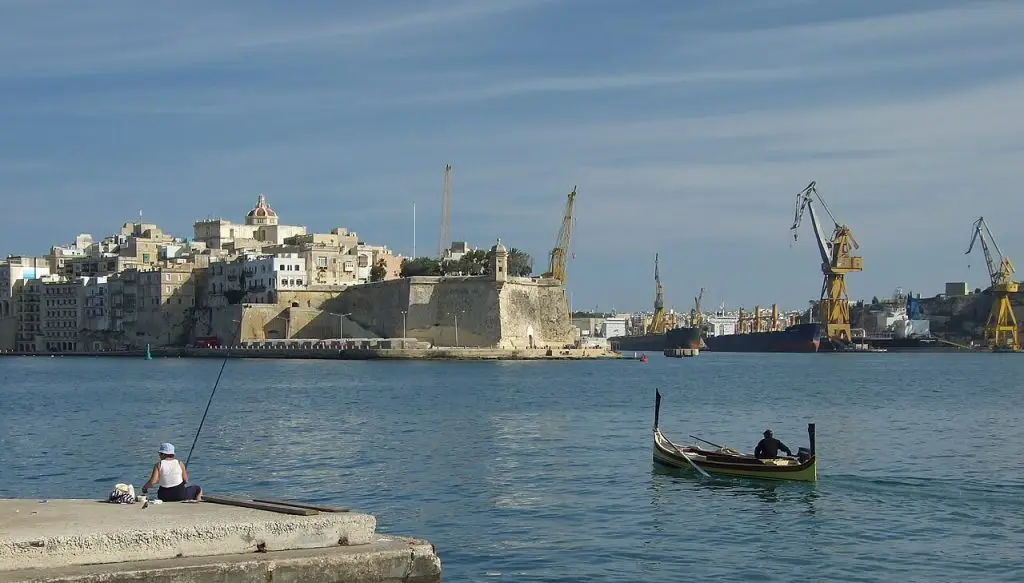
Spend the morning in the Three Cities across the Grand Harbour: Vittoriosa, Senglea and Cospicua. Vittoriosa, also called Birgu, has a lovely waterfront and the Inquisitor’s Palace, a rare surviving example of its kind. From there you can take a harbour cruise, a short ferry or a bus back to Valletta.
In the afternoon, go to Marsaxlokk, the traditional fishing village known for its colourful luzzu boats. The Sunday market on the waterfront sells fish and souvenirs, and the harbour restaurants serve very fresh seafood. If it is not Sunday, the village is quieter but still pleasant. Nearby, the megalithic temples of Ħaġar Qim and Mnajdra sit on a cliff by the sea and are worth a visit if you are interested in prehistory.
Optional swaps
- Hypogeum of Ħal-Saflieni: a prehistoric underground burial complex with strictly limited daily visitor numbers. Tickets often sell out well ahead, so book early if you want it.
- Popeye Village: the film set at Anchor Bay, which suits families.
- Diving or snorkelling: Malta and Gozo are popular dive destinations all year round.
Practical tips for 4 days in Malta
Buses run across the island and are the cheapest way to travel, but they can be slow and busy in summer. A Tallinja card or contactless fare option can save money; check the current system on the official transport site. Taxis and ride-hailing apps are common. Driving is on the left, and roads can be narrow. The country uses the euro, English and Maltese are both official, and plug sockets are the UK three-pin type.
Spring and autumn offer pleasant weather and fewer crowds. Summer is hot and busy, and winter is mild but wet and windy with some seasonal closures. Prices, opening hours and ticket rules change, so confirm details on the official tourism site, Visit Malta, before booking. With this pace, 4 days in Malta gives you a balanced look at history, harbour views and island coastline, and leaves a few things for a return visit.
More to read
Image credit: MrPanyGoff via Wikimedia Commons (CC BY-SA 3.0).