Yerseke is a small village in the Dutch province of Zeeland, and it has a reputation far larger than its size. This is the capital of Dutch shellfish: mussels, oysters and lobster that come from the nearby Oosterschelde, an estuary of tidal water that is protected as a national park. If you like seafood, a day here is a very good reason to leave the usual Amsterdam circuit.
Why Yerseke is famous
The Oosterschelde stays salty and tidal behind the storm surge barrier of the Delta Works, which makes it ideal for shellfish. Mussel farming in Yerseke goes back well over a century, and the village’s mussel and oyster pits, long basins on the edge of town, are a local landmark. The sea air, the boats and the fishing sheds give the place a working, unpolished feel that many visitors enjoy.
What to do in Yerseke
Eat oysters and mussels
The fishmongers and restaurants in the village centre and near the harbour sell fresh shellfish, and many offer tasting plates so you can try oysters, mussels, whelks and lobster without ordering a huge meal. Mussels are typically at their best from the summer into autumn, and oysters are widely served in the cooler months, though supply varies, so ask what is currently in season.
Walk along the water
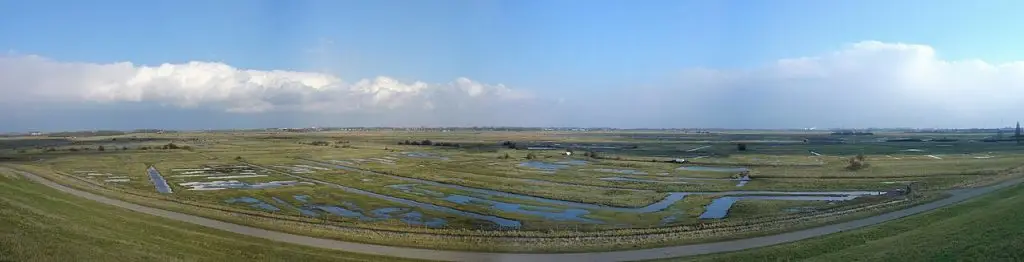
The dike paths give wide views of the Oosterschelde and the shellfish basins. Bring a windproof layer, since the breeze is constant. In clear weather the walk is a good way to digest lunch and see why Zeeland feels so different from the rest of the country.
Take an oyster or mussel tour
Some local operators offer guided visits to the shellfish farms and tasting sessions. Availability changes by season, so check what is on offer before you travel and book ahead for weekends.
Cycle the surrounding countryside
Zeeland is well suited to cycling, with signed routes through polders and past old villages. Yerseke works as a stop on a longer ride along the Oosterschelde coast.
Getting to Yerseke
The village has no station of its own, but the nearby Kruiningen-Yerseke station is on the railway line running between Roosendaal and Vlissingen. From there, a short bus or taxi ride, or a bike ride, will get you into the village. By car, Yerseke is easy to reach from Rotterdam or Antwerp, usually within roughly an hour and a half, depending on traffic. Check the NS journey planner for current connections.
When to go
Late spring to early autumn brings the best walking weather and the busiest crowds, while winter is quieter and suits oyster lovers who do not mind a cold wind. Zeeland weather changes quickly, so a rain jacket belongs in the bag in any season. Weekdays are calmer than weekends, and shops sometimes keep shorter hours outside summer.
A relaxed day plan
- Arrive late morning and take a harbour and dike walk.
- Have a seafood lunch at a local restaurant or fish shop.
- Visit a shellfish farm or a tasting if one is available.
- Afternoon: continue by bike or car to another Zeeland town such as Goes or Zierikzee.
- Pick up shellfish to take home, if you have cold storage.
Practical tips
- Many small places close one day a week, so confirm opening days beforehand.
- Weekends in summer are busy, and reservations are wise for restaurants.
- Bring cash as a backup in case a stall is cash-only.
- If you have a shellfish allergy, avoid shared platters.
- Wear shoes you do not mind getting muddy if you wander near the water.
FAQ
Is Yerseke worth visiting if I do not eat seafood?
The setting is pleasant, but the food is the main draw. Without it, a short stop on a Zeeland cycling trip is probably enough.
How long should I stay?
Half a day is enough to eat and walk. A full day lets you combine it with nearby sights.
Can I visit as a day trip from Amsterdam?
Yes, though it is a long day. Rotterdam or Antwerp are better bases for a shorter journey.
Looking for more regional ideas? Take a look at our Netherlands travel guides. The Wikipedia article on Yerseke covers the village history. Come hungry, and Yerseke will make a memorable stop on your Dutch coastal trip.