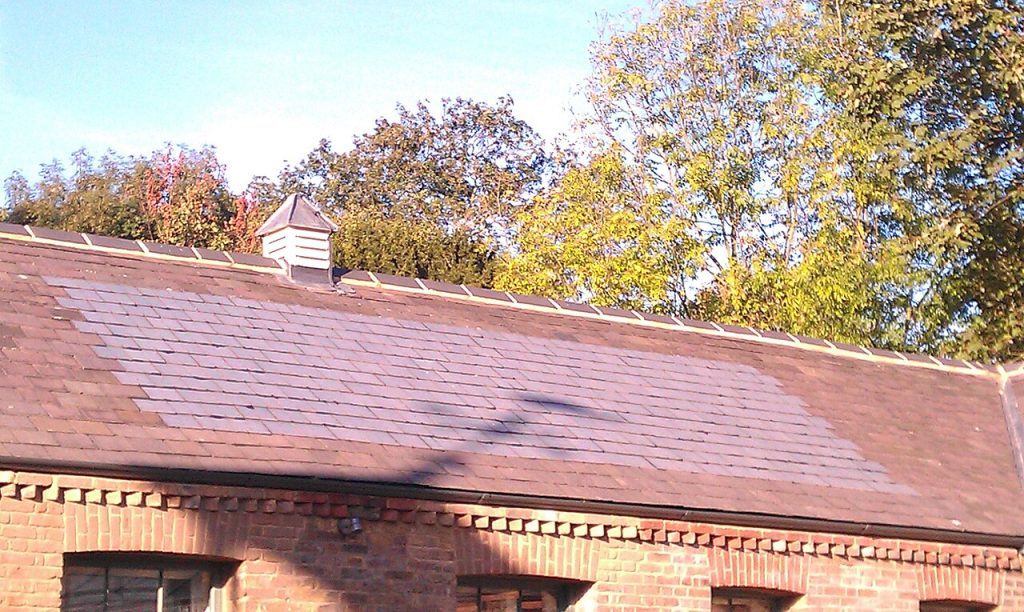
The pitch was easy to love. Instead of bolting panels onto a roof, make the roof itself generate electricity. No ugly racks, no compromise on looks, and one purchase that covers both shelter and power. On a stage under bright lights, solar roof tiles looked like the obvious future of housing.
Then reality arrived with ladders, permits and weather. The history of building-integrated solar is a useful lesson in why products that dazzle in a demo can stumble in a driveway.
Why solar roof tiles ask a roof to do two jobs
A normal roof has one task: keep water out for decades. A solar panel has another: turn sunlight into electricity efficiently. Merge them and you inherit both sets of requirements, and the failure of either one means the whole product has failed.
Roofers think in squares, flashing and slope. Electricians think in strings, inverters and code compliance. A solar roof needs both trades working together on one house, and these crafts don’t usually share a schedule or a vocabulary. Every handoff adds time, and time on a job site is money.
The cost math for solar roof tiles is unforgiving
Conventional rooftop solar succeeded partly because it’s modular. A homeowner with a sound roof adds panels on top, and the roof stays as it is. Prices fell as panels became commodities, produced in huge volume by many manufacturers competing hard.
An integrated roof replaces that with a premium product. You’re paying for a full new roof, which many people only need once every few decades, plus the electrical parts embedded in it. If the customer’s roof is still healthy, spending heavily to tear it off is a tough sell. The buyers who make sense for solar roof tiles are those already facing a replacement, and that’s a much smaller group than everyone with a house.
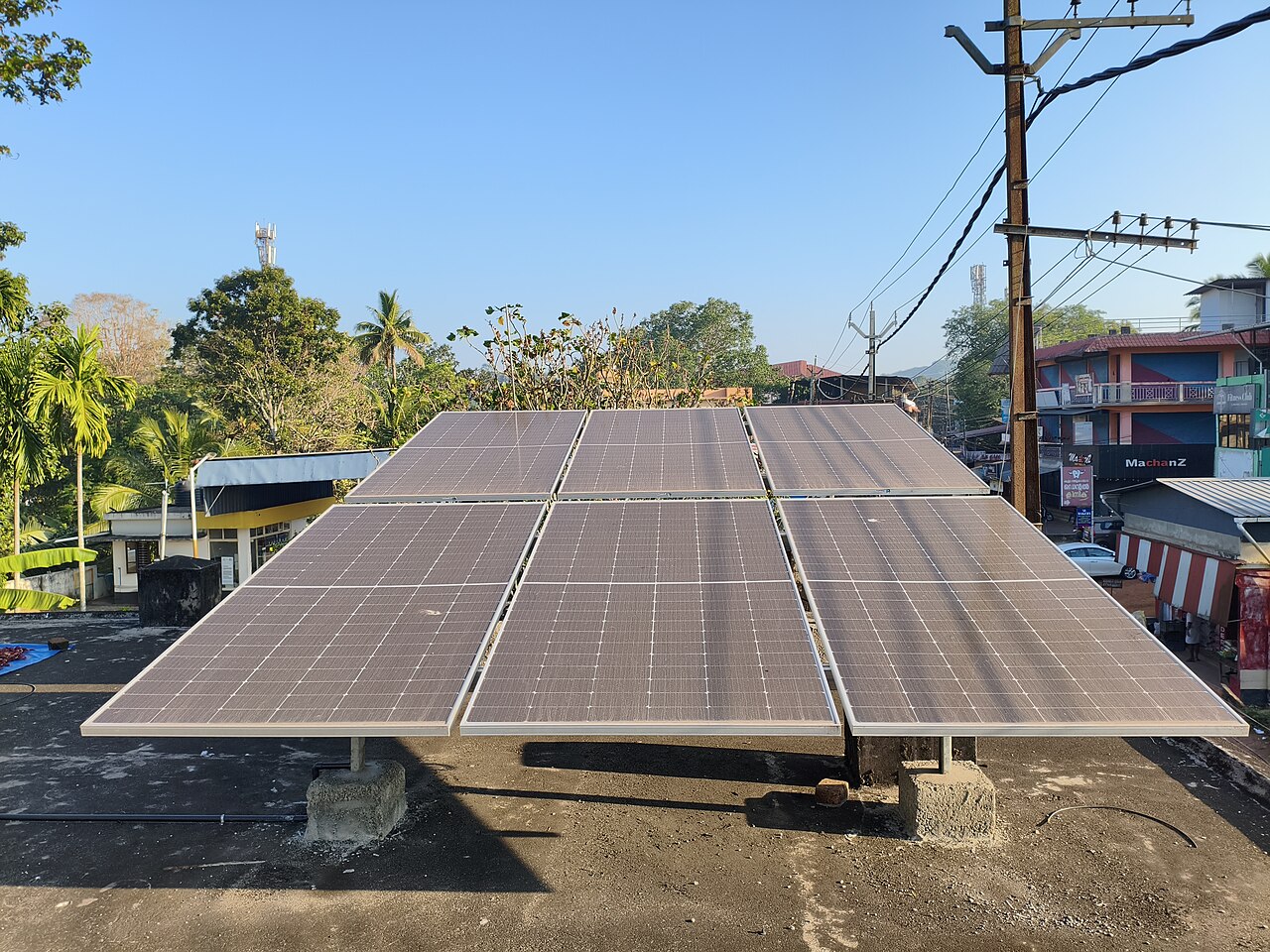
- Standard panels benefit from a mature global supply chain.
- Solar roof tiles are made in far smaller quantities and cost more per watt.
- Installation labor is heavier because each tile is handled, wired and sealed individually.
Installing solar roof tiles is the bottleneck
For any home-improvement product, the installer is the real customer experience. If crews are scarce, inexperienced or slow, delays pile up and quotes drift. A complicated roof with many angles, vents and skylights makes it worse, since each cut-out needs custom work.
Training enough crews to install a novel system at scale takes years. Meanwhile, homeowners who signed up wait months, get anxious and tell their neighbors. In a business built on local word of mouth, that matters a great deal.
Why simple wins
There’s a pattern across hardware that touches the home: the boring option usually beats the elegant one. Standard panels are easy to replace if one fails. They can be upgraded as technology improves. Any competent solar installer can service them. A roof made of solar tiles locks you into one supplier for the life of the house, and if a single component breaks, you may be pulling up part of your roof to fix it.
Lifespan also matters. Roofs are expected to last perhaps twenty to thirty years or more. Electronics and solar cells age differently, and a buyer has to trust that every part will stay matched over that long period. That’s a heavy promise for any manufacturer to make.
What the lesson is for buyers
If you’re thinking about solar for your own home, the practical takeaways are less dramatic than the keynote version.
- Check the age and condition of your roof first. If it needs replacing soon, plan around that.
- Compare quotes by cost per installed watt, and ask what warranties cover water leaks as well as electricity output.
- Ask installers how many similar jobs they have completed, not just how good the product looks.
- Remember that you can often add or swap panels later, which keeps your options open.
None of this means solar roof tiles can’t work. Smaller players and building-materials firms continue to refine the idea, and the technology can improve. But the story is a reminder that a beautiful concept still has to pass through zoning offices, supply chains and the schedule of a crew that has three other houses to finish that week.
Weather adds its own test. A roof sees hail, ice, heat and years of wind-driven rain, and a leak is far more serious than a dip in output. With bolted-on panels, a failed panel can be swapped without touching the waterproof layer underneath. With solar roof tiles, the electrical and waterproofing layers are the same object, so one fault can mean opening up the roof. Buyers rarely ask about this until it happens to them.
Premium hardware tends to hit the same wall in other categories, such as fitness wearables, where premium rarely sells in volume. And products often do better in controlled settings, a pattern visible in delivery robots moving onto factory floors, where the environment is predictable.
It is tempting to blame a single cause, but products like this usually fail by a thousand small cuts. A delay here, a quote that shifted there, a crew that needed retraining. Each is minor alone. Together they turn an exciting waiting list into a frustrated one, and word travels quickly among neighbors who all watch the same roofs go up.
The more useful question for any home-energy purchase is simple: what happens when something goes wrong in year twelve, and who will pick up the phone?
Image: Helena Wright / Wikimedia Commons, CC BY 2.0.