
Think about the last time someone made you laugh by sending a single image with no caption. Chances are you knew right away whether the two of you shared a sense of humor. You didn’t need a bio, a list of hobbies or a carefully chosen travel photo. That small observation is the whole case for dating app memes.
The same idea sits behind apps built around a shared meme as the opener. It’s a simple idea, and it deserves a more careful look than either hype or eye-rolling.
The problem with the usual profile
Most dating apps ask you to compress yourself into six photos and a few lines of text. People respond in predictable ways: the hiking picture, the dog, the friend’s wedding, the joke about pizza. Everyone looks interesting and nobody does, because the format rewards safe, generic choices.
The first message is the next trouble spot. Many matches die in the opening exchange, where one person writes a bland greeting and the other has nothing to grab onto. Reply rates drop, frustration rises, and users get tired of doing what feels like unpaid interviewing.
An icebreaker that gives both people something to react to is therefore valuable. Dating app memes do that quickly. It carries tone, cultural references and a bit of risk, and the reaction tells you something real.
Why dating app memes work as a signal
Researchers who study relationships have long pointed to shared humor as something that people value in partners. The reason is partly practical. If you laugh at the same things, you probably share some values, some references and a way of handling stress. A joke that lands is a small proof of understanding.
Dating app memes are also compact. Unlike a long opening line, sending one costs almost nothing, so the barrier to starting a conversation falls. And because memes shift fast, they reveal something about what corners of the internet someone spends time in.
Where dating app memes go wrong
Humor is a thin signal in the other direction too. A meme can be funny to one person and offensive to another. Irony can read as cruelty. A shared taste in absurdist humor doesn’t tell you whether someone is kind, reliable or interested in the same kind of relationship.
- Some memes depend on in-group knowledge, which can make newcomers feel excluded.
- Jokes can mask a lack of sincerity, and some people hide behind sarcasm.
- Moderation becomes harder, since images can carry harassing content that a text filter would miss.
What a meme opener looks like in practice
Say two people match and both mention cooking. One sends a photo of a blackened pan with a joke about the smoke alarm. The other answers with their own kitchen disaster. In two messages they have swapped a story, shown how they handle a mishap and set a playful tone. Compare that with “hey, how’s your week?”, which asks for effort and gives nothing back.
That is the real strength of dating app memes. They lower the cost of the first move for shy people and give the reply an easy hook. They also filter quickly: if a joke falls flat, both sides learn it early, before an hour of small talk.
Context matters, though. Sending the same recycled image to every match is the meme version of a copy-pasted greeting, and people can tell. The best openers react to something in the other person’s profile, because a relevant joke proves you read it. Culture and language add another wrinkle, since humor that works in one community can confuse someone from another. A thoughtful app lets users say what they find funny and what they would rather not see.
What a good version would need
If I were designing one, I’d want a few things in place. First, strong safety tools: easy reporting, image screening and the ability to block without friction. Second, a way for people to actually choose what they send instead of picking from a stale library. Third, a clear path from the meme exchange to a real conversation, so the joke is a doorway rather than the room.
Novelty alone rarely lasts; the story of small social apps that burn bright and fade shows what happens when a gimmick is all there is. The same discipline applies as with AI study tools: do one job well, and say plainly what it is.
I’d also want honesty about what the product is for. A meme app can be great at starting conversations. It’s less obviously good at helping two people decide whether they should meet. Those are separate jobs, and good products pick the one they can do well.
A practical note for users
If you try dating app memes yourself, a few habits help.
- Send something you actually find funny, not what you think will perform well.
- Pay attention to how the other person responds, including whether they reply with effort or with a single emoji.
- Move to a voice call or a real meeting after a few good exchanges, since text humor can flatter people.
- Don’t treat a lack of laughs as a verdict on your worth. Humor is subjective.
Dating app memes won’t replace photos and profiles entirely. But it points at something that most dating products miss: people connect through what they react to, not through what they list about themselves. Even if no single app gets this right, the next time a match goes quiet, sending something funny might be the best opening line available.
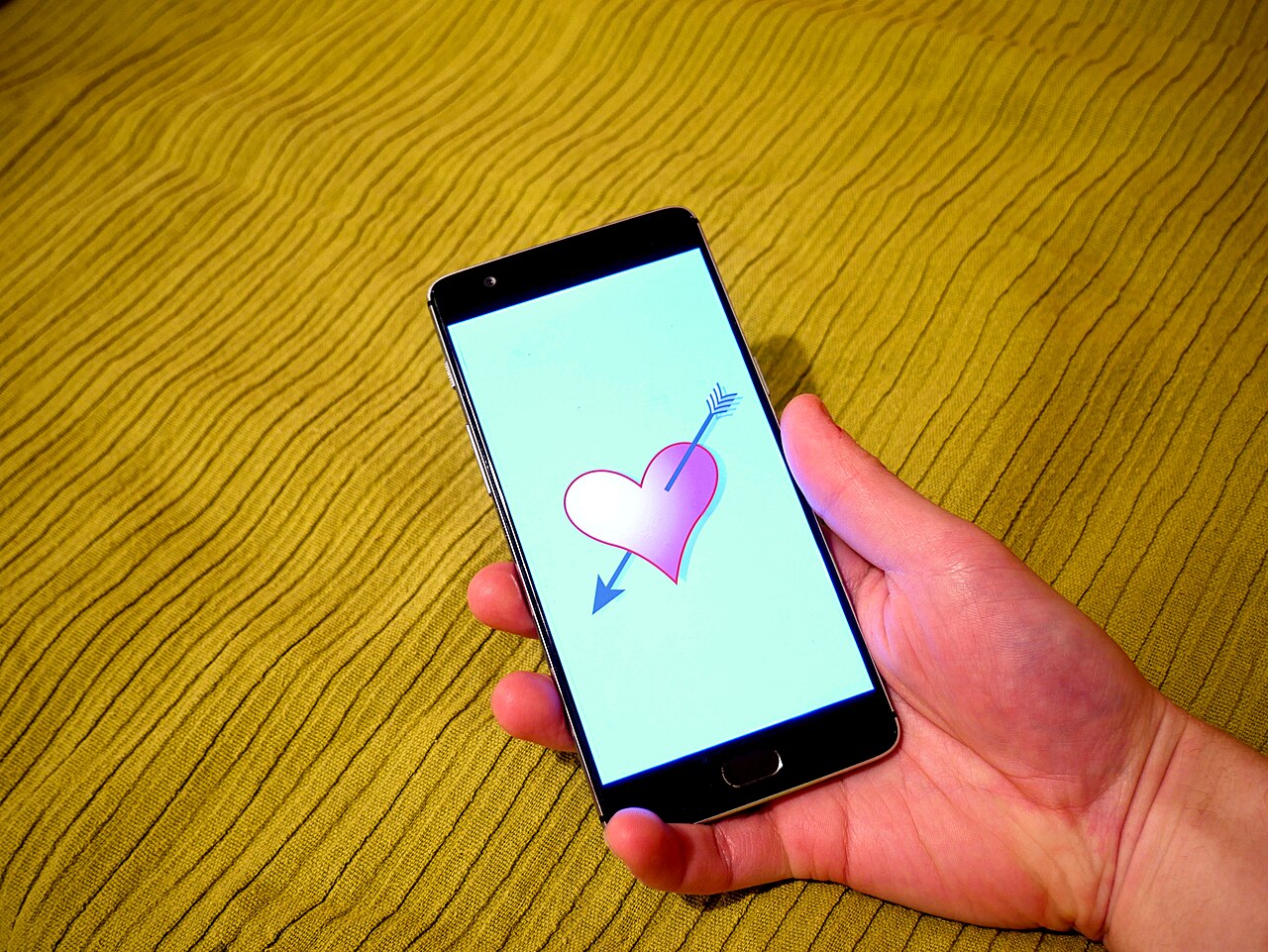
Image: Shixart1985 / Wikimedia Commons, CC BY 2.0.