Whenever a well-known person’s home is burglarized, the story spreads for a day or two, and most readers react the same way: if it can happen to them, with all their resources, what chance do the rest of us have? That reaction is understandable, but it misses a useful point. Burglary is rarely about the target’s fame. It’s about opportunity, and that is the starting point for home burglary prevention.
Most break-ins are quick, quiet and opportunistic. A thief looks for an unlocked door, an empty house and a low risk of being seen. Understanding that mindset is the first step in home burglary prevention, because it shows you what to change.
How burglars actually choose
Despite the movie image of elaborate planning, many burglaries involve little preparation. People notice a home that looks unoccupied: mail piling up, no lights, a driveway that’s been empty for days. They look for easy entry points, usually ground-floor doors and windows, and often the back of the house where fewer neighbors can see.
Time is the enemy of the intruder, and home burglary prevention is largely about taking it away from them. Anything in your home burglary prevention plan that makes entry slower or noisier, or increases the chance of being noticed, can push them toward another house. Security professionals often describe this as layers of delay. No single measure is perfect, but several modest ones combined can be effective.
Home burglary prevention basics that matter most
Good home burglary prevention starts with fundamentals, before any gadget.
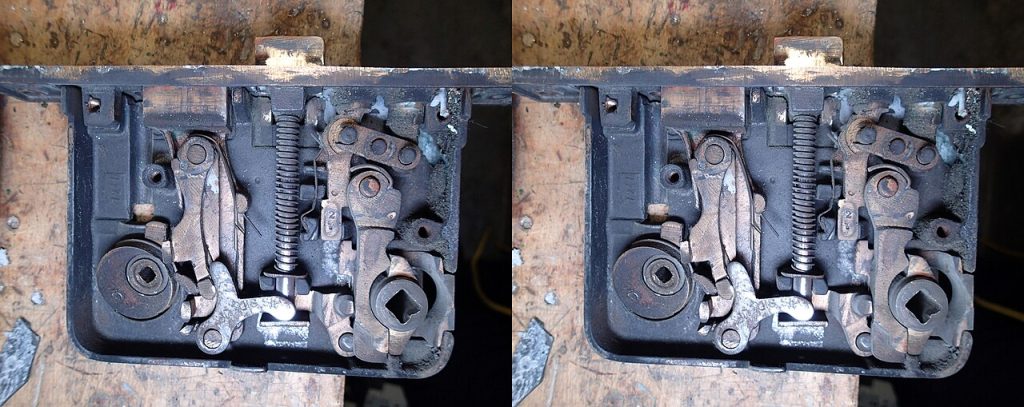
- Doors: A solid door with a good deadbolt is worth more than most electronics. Make sure the strike plate is anchored with long screws into the frame, since weak frames are what gets kicked in.
- Windows: Ground-floor windows need working latches. Sliding doors benefit from a bar or a cut-down stick in the track.
- Lighting: Motion-activated lights near entrances and side gates remove the cover of darkness cheaply.
- Landscaping: Trim shrubs that let someone hide beside a window or door.
- Habits: Lock up even when you’re only popping out. A surprising number of break-ins involve nothing forced at all.
Where technology helps and where it doesn’t
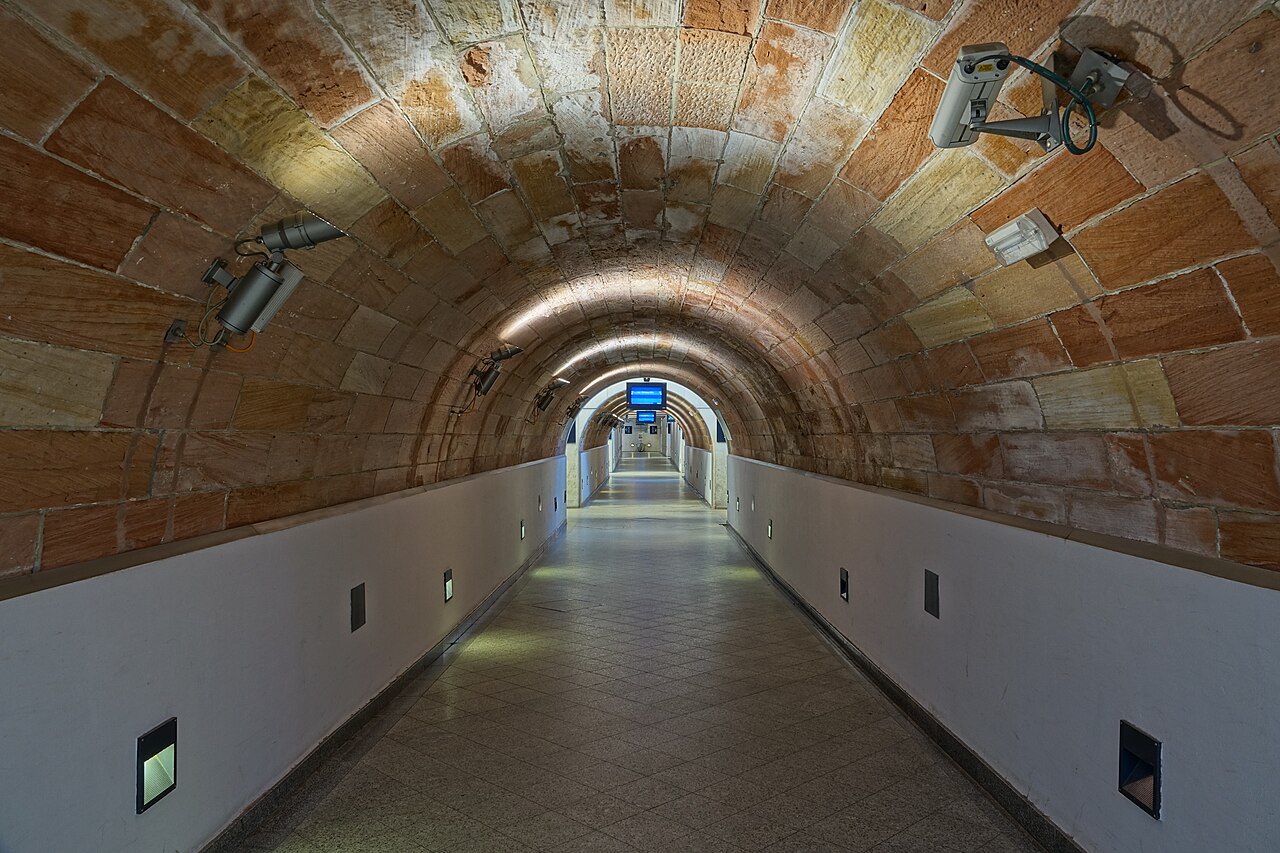
Cameras, smart locks and alarm systems add useful layers, with caveats. A camera that is visible can deter casual thieves, and recorded footage helps after the fact. But footage only matters if it is stored securely and reviewed. A camera pointed at nothing important won’t help you.
Smart devices also introduce their own risks, since every connected camera or lock is a small computer with a login, a point explored in machine identities, the security problem nobody counts. Weak passwords, outdated firmware and reused logins have turned some home cameras into a privacy problem. If you install any connected device, change default credentials, turn on two-factor authentication and apply updates. A system you can’t secure is worse than none.
Alarms deserve a note too. A monitored alarm only helps if someone responds promptly, and false alarms can lead local authorities to deprioritize calls. Test your system and make sure everyone in the household knows how to use it.
Renters and apartment dwellers have fewer options, but not none. You usually can’t swap a door frame, yet you can ask the landlord to repair broken latches, fit a better strike plate or add lighting to shared entrances. A portable door bar and a wedge for sliding windows cost little and leave no marks. Keep a short written list of requests and the dates you made them, since that record matters if a break-in happens later.
The social layer
Neighbors are an underrated defense. People who know each other watch out for strange vehicles, collect mail during trips and notice when something looks off. You don’t need a formal program. A simple agreement to keep an eye on each other’s places works.
When you travel, avoid posting your location in real time. Share the photos after you return. Put lights on timers, and ask someone to pick up packages and flyers.
People who are widely known face one extra issue: their address may be easier to find. Public property records, old interviews and photographs can reveal more than expected. If your address has already leaked somewhere, this checklist for when data is posted online covers the first steps. If your name is out there, consider whether your home address is listed in places you can control, and whether a trusted person should manage deliveries and visitors.
That said, the same low-cost home burglary prevention habits apply to everyone. Good locks, good lighting, attentive neighbors and careful sharing. They aren’t dramatic, but they’re what actually stops most intruders.
Next time a break-in makes the news, take it as a prompt. Walk around your own house tonight, and try every door and window as if you were the one outside.
A five-minute home burglary prevention check
You can audit your home in the time it takes to drink a coffee. Start outside and look for anything a stranger could climb, hide behind or reach through. Check the garage door, which many people forget, and the little-used side gate. Inside, look at where valuables sit. A visible laptop or a jewelry box on top of a dresser is an invitation, while a modest safe bolted to the floor, or even a less obvious storage spot, slows a thief down. Photograph your valuables and record serial numbers, because that makes insurance claims and police reports far simpler later.
Image: Robbie Sproule from Montreal, Canada / Wikimedia Commons, CC BY 2.0.