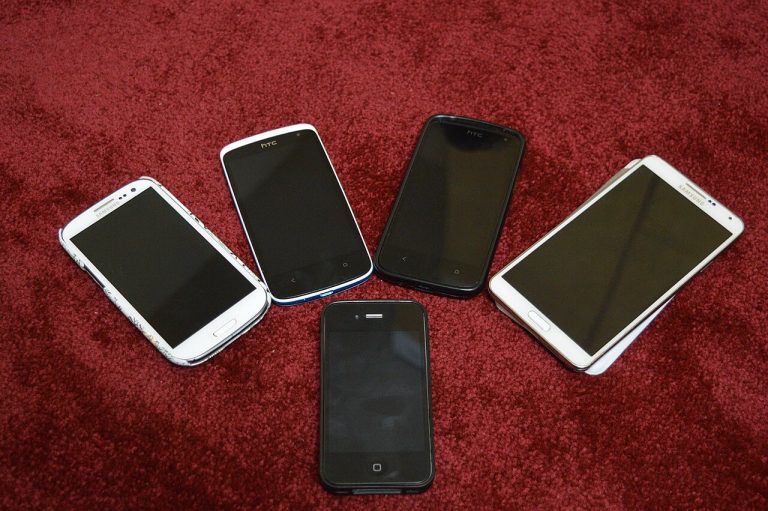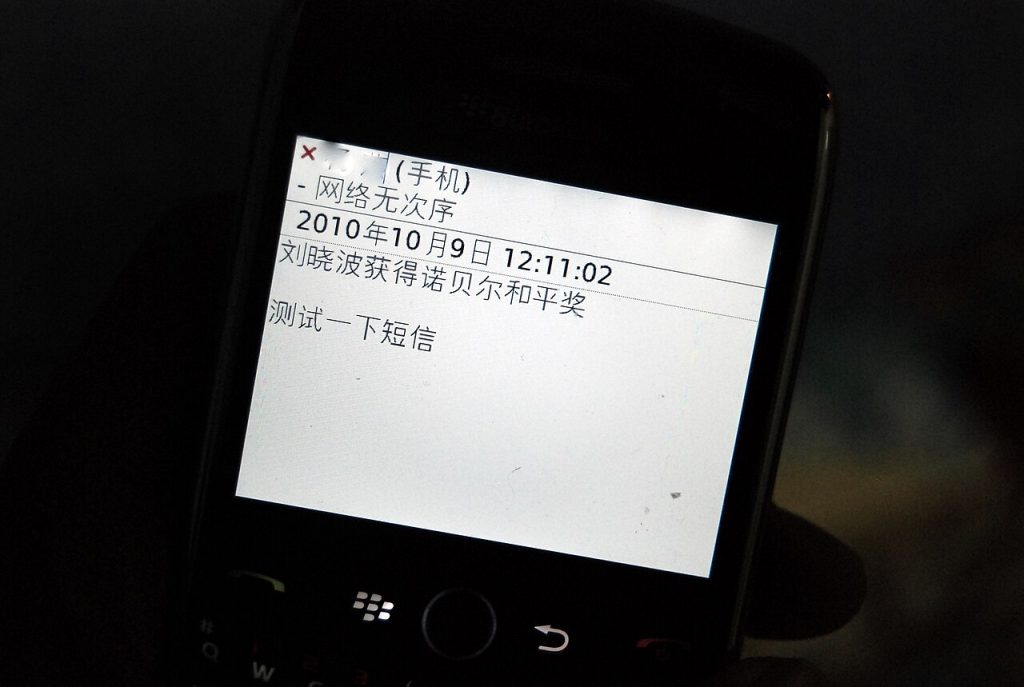
Your phone buzzes. A message says a package is waiting, your account is locked, or you have won something. You did not order anything, you do not recognize the number, and you suspect this is the fifth one this week. Spam texts have become a daily nuisance, and some are outright scams. If you want to stop spam texts, it helps to know why they keep arriving, how to recognize the dangerous ones, and what actually works.
How scammers get your number
Before you try to stop spam texts, it helps to understand where they start. It is less mysterious than it feels. There are several routes:

- Data breaches. When a company is hacked, customer details, including phone numbers, can end up for sale.
- Public postings. Numbers shared on forums, listings or social profiles can be scraped by software.
- Data brokers. Some businesses collect and sell personal information, including contact details.
- Random generation. Spammers can simply try every number in a range. Active numbers get marked as valuable, and a single reply confirms yours is live.
- Sign-up forms. Entering your number for a coupon or contest can mean it is shared with partners.
That last point is worth remembering. Replying, even to say STOP to a message from an unknown sender, can sometimes tell a scammer that a real person is behind the number. If you want to stop spam texts, silence is often the better response to unknown senders.
The anatomy of a scam text
Scam messages follow patterns. Once you know them, they are easier to spot, and spotting them quickly is half the battle when you want to stop spam texts from costing you money. Scammers also reuse the same stories because they work: a delivery problem or a locked account creates just enough worry to make a person click without thinking.
A fake delivery notice
It says a parcel could not be delivered and asks you to click a link to reschedule or pay a small fee. The link leads to a page designed to grab your card details.
A bank or account alert
It claims suspicious activity and urges immediate action. Real banks rarely ask you to log in through a link in a text.
A wrong-number opener
A friendly message arrives as if by accident. If you answer, the sender builds a relationship, then steers you toward a fake investment or romance scheme.
A prize, refund or job offer
Anything too good to be true, from out of nowhere, deserves suspicion.
A toll or fine notice
These claim an unpaid charge and warn of penalties. Again, the point is to get you to click.
Telltale signs, and how to stop spam texts at the source
Look for these warning signals:
- An unknown number, or an odd email address in place of a number.
- Pressure to act quickly.
- A link with strange spelling or a shortened address.
- Generic greetings instead of your name.
- A request for payment in gift cards, crypto or wire transfer.
- Bad grammar, though polished messages exist too.
The safest response is almost always to do nothing, and that is the first rule if you want to stop spam texts from turning into fraud. Do not click links, do not reply, do not call numbers listed in the message. If you think it might be real, contact the company independently using the phone number or app you already trust.
Then use the tools your phone gives you:
- Report the message. Many phones let you report junk, and carriers often accept forwarded spam to a short reporting number. Check your carrier’s instructions.
- Block the sender, knowing that scammers rotate numbers, so blocking is a small help, not a cure.
- Turn on filtering. Both major phone systems can sort messages from unknown senders into a separate folder, and many carriers offer free spam filtering.
- Join a do-not-call list if your country has one. It will not deter criminals, but it limits legitimate marketers.
- Be careful with sign-ups. Use a secondary number or an email address for coupons and contests where you can.
If you already clicked or replied
Do not panic, but act quickly. If you entered card details, call your bank and ask to freeze or replace the card. If you typed a password, change it right away, and anywhere else you used it. Turn on two-step verification, and watch your accounts for unfamiliar activity. If you installed anything because of a message, run a security scan and consider a factory reset if you are unsure.
It is also worth telling relatives, especially older ones, about these patterns. Scammers often target people who are less familiar with how fake links work, and a quick conversation about what a real bank or courier will never ask for can prevent a painful loss. To stop spam texts across a whole family, everyone needs the same simple rules.
Reporting matters too. Your report helps carriers and authorities detect campaigns and shut down numbers, even if nothing comes back to you personally.
A realistic expectation
You will probably not eliminate junk messages entirely. The economics favor senders, because texting is cheap and even a tiny success rate pays. But you can stop spam texts from becoming dangerous. Pause before tapping, verify independently, keep your number off public pages, and let filters handle the rest. A little suspicion, applied consistently, takes away most of what scammers are counting on.
For a neutral background reference, the Wikipedia article on SMS spam is a useful place to start.
Related reading: What Compliance Automation Tools Do, and Why Startups Buy Them and What Text-Sharing Sites Are For, and Why Moderating Them Is Hard.