When you ask a chatbot a question, the answer appears in seconds, as if from nowhere. In reality, it comes from one of the world’s data centres: buildings full of specialised computers working together and consuming large amounts of electricity. The rapid growth of AI has turned these facilities, once a background detail of the internet, into a central topic for companies and governments.
In this article
What is inside data centres
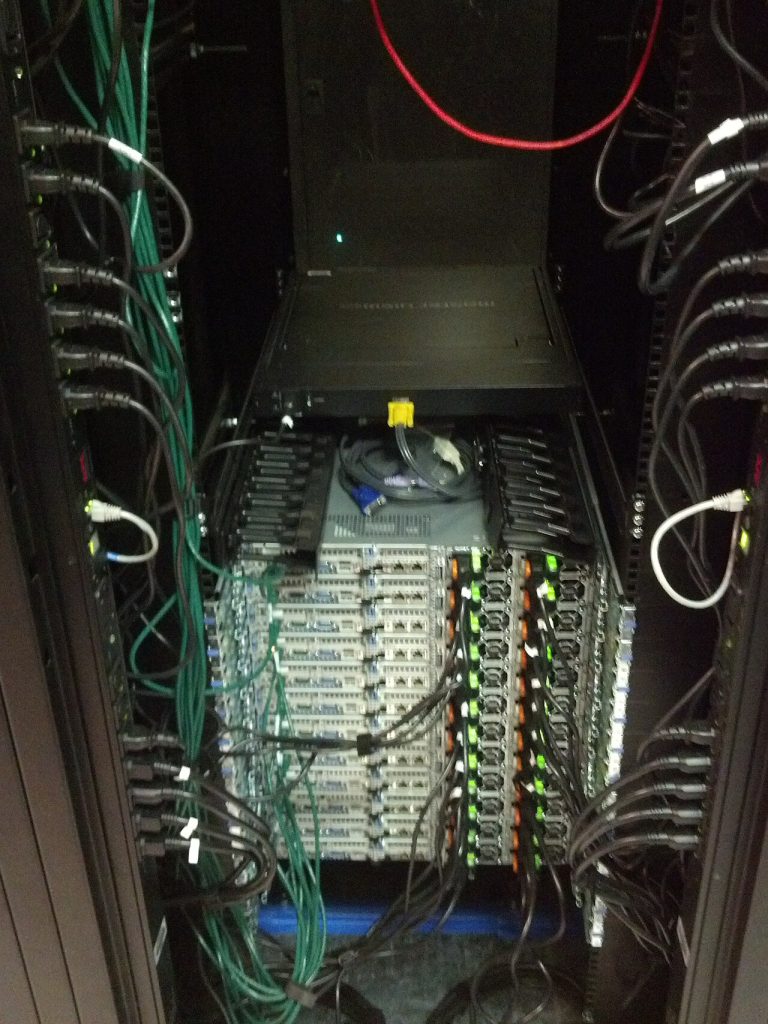
A data centre is a facility that houses servers, storage and networking equipment, with systems to power and cool them. For AI, the most important ingredient is accelerator chips, which perform the heavy mathematics efficiently. Thousands of these chips are linked by fast networks so that they can work on a single task, such as training a model, as one huge machine.
Why AI is different
Traditional web hosting spreads many small jobs across general-purpose servers. AI training concentrates enormous computation on a single problem for weeks. Chips run hot, racks draw far more power than conventional ones and the cables between them must carry vast amounts of data. These demands require new designs rather than simply more of the same.
Power: the main constraint
Electricity is often the limiting factor. A large AI site may need as much power as a small town. Operators must secure grid connections, which can take years, and increasingly look for dependable, low-carbon sources such as renewables, nuclear power and storage. Some are building their own generation or locating near cheap, clean energy. Local communities and utilities are weighing the benefits against the strain on the grid.
Cooling and water
Chips produce heat that must be removed. Traditional air cooling struggles at high densities, so many facilities use liquid cooling, circulating coolant directly to the chips. Some systems use water for evaporative cooling, which raises concerns in dry regions. Designs that recycle heat to warm nearby buildings or use climate-appropriate cooling can help.
Where the money goes
- Chips and servers: The largest single expense.
- Power: Ongoing and growing.
- Construction: Buildings, electrical systems and cooling.
- Networking: High-speed links within and between sites.
- Staff and security: Skilled engineers and physical protection.
Cloud providers and specialists
Large cloud companies build and rent AI capacity, while newer firms specialise in GPU clouds designed for training and running models. Customers choose based on price, availability, performance and support. Because chips are in high demand, access can be as important as cost, and long-term contracts are common.
Training versus inference
Training builds the model and is a huge one-off effort. Inference serves users every day and, as adoption grows, may account for most of the total compute. Efficiency improvements, such as smaller models and better software, reduce the cost of each answer and make AI more accessible.
Environmental considerations
Data centres can have a substantial footprint, but they can also be efficient compared with scattered smaller servers. Reporting on energy and water use, matching consumption with clean power and improving hardware efficiency are key steps. Transparent numbers help the public judge progress.
What it means for businesses
If you rely on AI services, expect pricing to reflect hardware and energy costs. Consider whether smaller models or on-device processing can meet your needs for routine tasks. Ask vendors about reliability, data location and sustainability.
Local impact
For communities, a new facility can bring construction jobs and tax revenue but few permanent positions. Concerns include noise, land use, power demands and water. Open consultation and clear commitments can build trust.
What to ask your cloud provider
If you rent AI capacity, ask about the generation of chips you will get, how quickly you can scale up, what network speeds connect the machines and how outages are handled. Request clear pricing for storage and data transfer, which can surprise newcomers. Match the service to your workload, since a small team fine-tuning a model needs a very different setup from a lab training one from scratch.
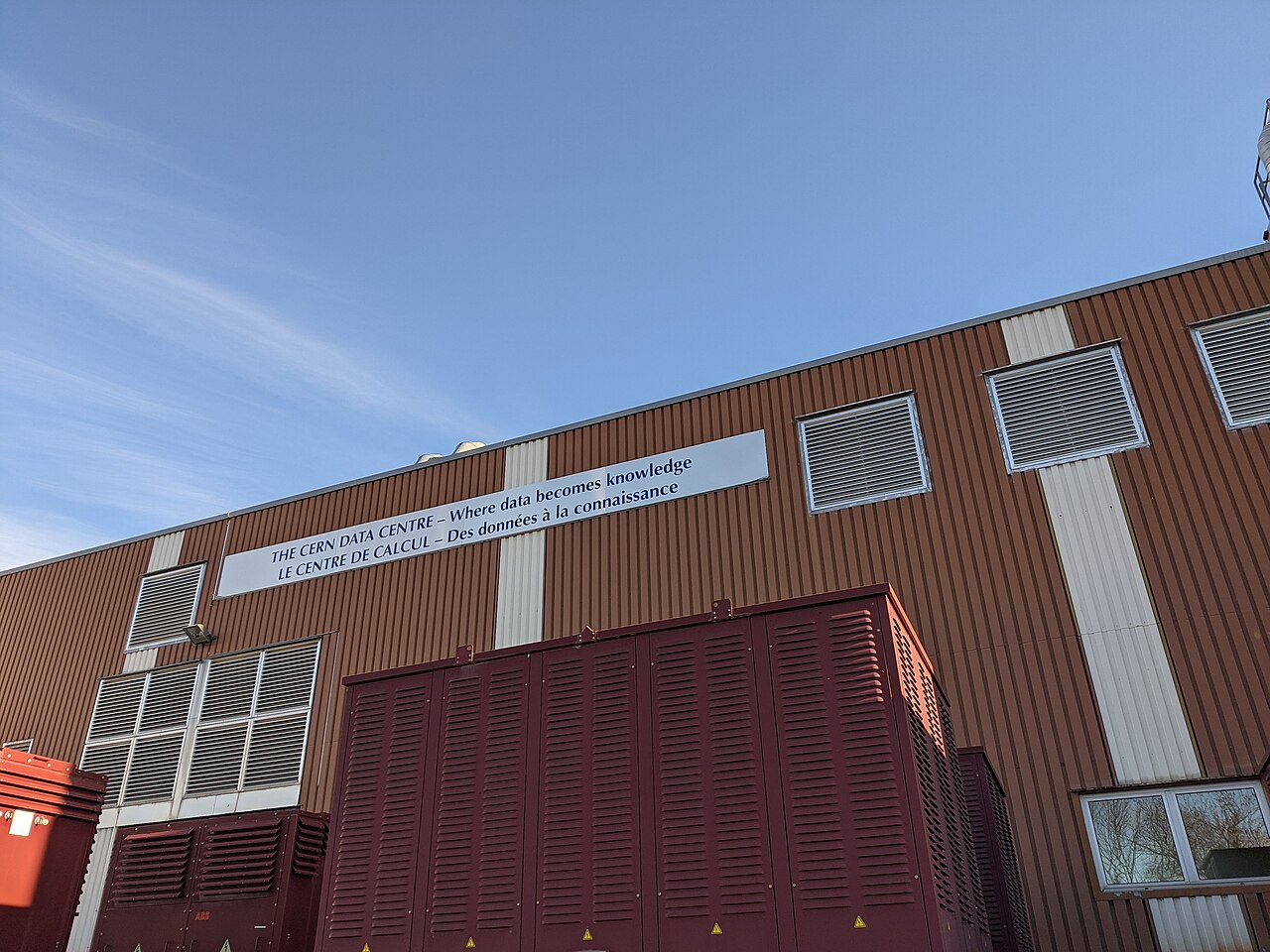
Following a single request
It helps to trace one question through the building. Your message travels over the internet to a facility, is routed to a rack of accelerators holding a copy of the model, and the reply streams back. Other requests may be batched alongside yours to keep the chips busy. Because idle hardware is wasted money, operators work hard on scheduling, and that is one reason data centres are built around utilisation as much as raw size.
Why location matters
Where a site is built affects almost everything. Cool climates cut cooling needs, nearby clean power cuts emissions, and good fibre links keep delays low for users. Water supply is a further factor, since some cooling designs consume it. Against that, land, planning approval and grid capacity vary widely. Reading about why AI chips attract so much investment shows why capacity is scarce, and why carmakers build supercomputers for self-driving AI is a good example of a company deciding to own its compute.
For a neutral overview of the building type itself, Wikipedia’s article on data centers covers tiers, cooling and redundancy. Most large data centres also have backup generators and duplicate power feeds, so a single failure does not take a service down. These details rarely make headlines, yet they decide whether the data centres behind your favourite tools stay reliable. Ask any operator and they will tell you uptime is a design goal from the first drawing, not an afterthought.
Final thoughts
Behind every AI answer is a physical infrastructure that has to be built, powered and cooled. As the technology spreads, the engineering and policy decisions around data centres will shape its cost, reach and environmental impact. Understanding the basics helps you see past the magic of the chat window.
Image credit: Unnerving duck via Wikimedia Commons (CC BY-SA 4.0).