The question what was his networth is written in the past tense, which usually means the person has died, and that changes where you look. Estimate websites often keep showing a number that was never updated after the death. Better sources exist, and they are mostly public records.
Why death changes the answer
A living person’s net worth is a moving estimate. After death, assets are counted and valued by lawyers and executors, debts are paid, taxes are assessed and what remains is distributed. The figure that matters is the value of the estate, and for well-known people, it is sometimes reported by the press, particularly if there is a dispute.
Where to look
Probate and estate records
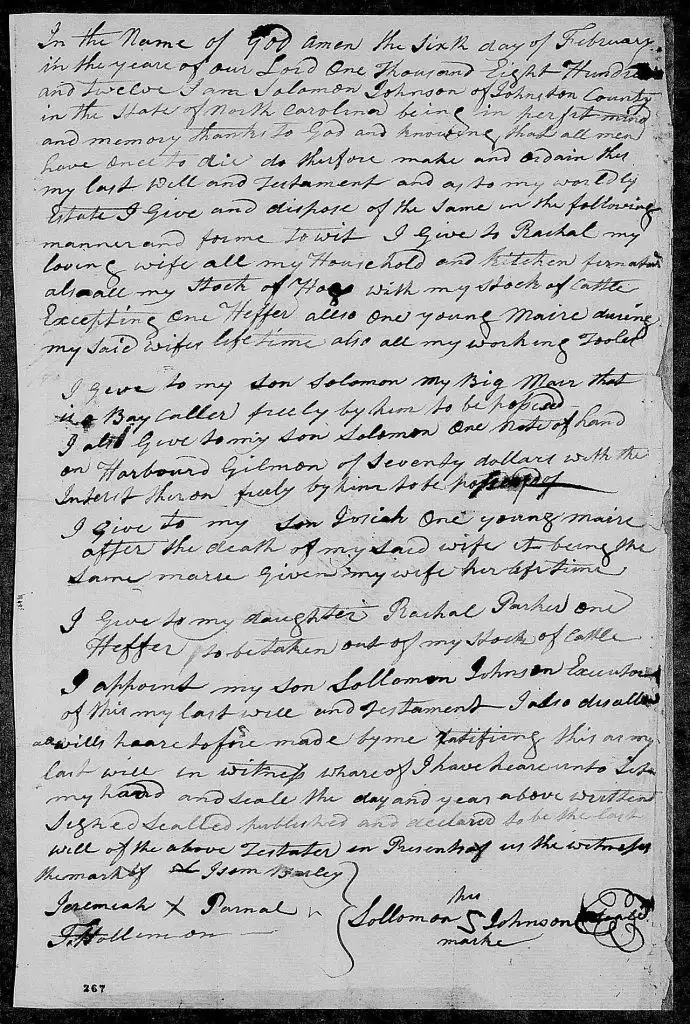
In the United States, a will usually goes through probate in the county court where the person lived. Many probate files are public, and some courts publish indexes online. Large estates often attract coverage from local newspapers, which report the figures in the inventory.
Forbes’s lists
Forbes has for years published a list of top-earning deceased celebrities, based on income from estates, catalogues and licensing. It also keeps archived billionaire lists, which show how a fortune looked in the last years of a person’s life.
Court cases and disputes
Family disputes and tax cases create public records. Reporting on such cases can be a rich source, but you should look for neutral coverage and not social-media summaries.
What was his networth versus what the estate earned later?
Two numbers are often mixed up. One is the net worth at the time of death. The other is the income an estate earns afterwards, which can be large for famous names whose music, books or images keep selling. A person can have died with debts and yet have an estate that later becomes profitable. For example, the estate of Michael Jackson is widely reported to have paid off large debts and earned substantial sums from music and film rights after his death in 2009. See our article on Michael Jackson’s estate, debts and catalogue for the details.
A step-by-step approach
- Confirm the person’s full name and date of death.
- Search news archives for “estate valued” or “estate worth” with the name.
- Check the court records of the county or country where they lived.
- Look at the Forbes archive for the most recent list that included the person.
- Note whether any figure is before or after taxes and debts.
What to be careful about
- Gross versus net. A reported estate value may not subtract debts, taxes and legal costs.
- Appraisal changes. Valuations of property, art and companies can change over time, so early and late figures may differ.
- Trusts. Assets held in a trust may never appear in public probate filings.
Respecting the family
It is natural to be curious about the finances of a public figure who has died, but the family is dealing with a loss. Rely on published sources, and keep your tone factual. If you are writing about an estate, be clear when you are quoting an estimate and when you are quoting a court document.
For related methods, see our guide to finding someone’s net worth from public sources and the article on how to find out a person’s wealth. Forbes’s celebrity coverage lives at forbes.com/celebrities.
An example of why the date matters
Consider a well-known musician who died with a modest cash balance but valuable song rights. The estate might be valued conservatively at death, then grow sharply as licensing deals are signed over the following years. A site that quotes only the first figure will be far off, while one that quotes only recent estate income will overstate what the person owned in life. Good reporting states both, and says which is which, along with the year.
If you are not sure who “he” is
Start by pinning down the name with a biography on an encyclopaedia or news site, then follow the steps above. Without a name, no honest answer is possible.
That is the practical way to answer what was his networth: identify the person, look at the estate records and trusted lists, and write the result with a date and a source.
General information only. No individual is valued here, and this is not legal or financial advice.