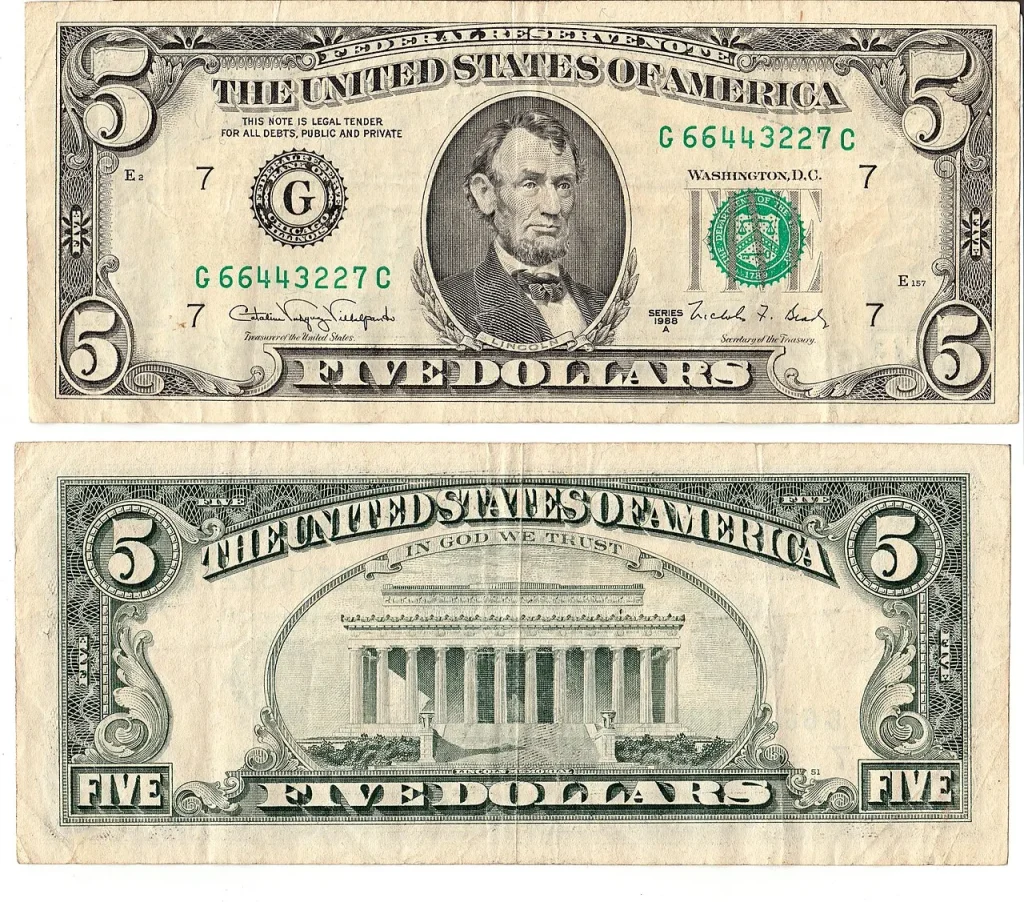
What is their networth? is a question many readers ask, and the short answer is below.
Asking what is their networth is easy. Getting a trustworthy answer takes a bit more work, because networth is rarely published directly and most figures online are estimates. The quickest route is to identify the person precisely, check a major wealth list such as Forbes or Bloomberg for the latest year, and treat anything else as a rough guide. Here is how that works and why numbers differ.
What networth actually means
Net worth is everything a person owns minus everything they owe. Assets include cash, investments, property, business stakes and valuable items. Liabilities include mortgages, loans and tax debts. The result can be positive or negative, and it changes constantly.
Net worth is not income. A film star paid a large fee for a movie may have a high income that year, yet a smaller net worth than a quiet business owner who holds shares in a growing company.
Where estimates come from
Wealth lists
Forbes and Bloomberg publish rankings of billionaires and sometimes wealthy entertainers, athletes and entrepreneurs. They use public filings, stock holdings, interviews and valuations, and they usually state the date and method. These are generally the strongest sources for the very rich.
Company filings
If someone owns a large share of a listed company, regulators require disclosure of that holding. This makes the wealth of public company founders easier to estimate than the wealth of people with private businesses.
Celebrity estimate sites
Websites that list celebrity net worth tend to combine reported earnings, deals and assumptions. They can be useful for a ballpark, but the method is often opaque. Two sites may differ by tens of millions on the same person.
Court and legal records
Divorce settlements, bankruptcy filings and estate documents sometimes reveal actual figures. These are rare and usually partial, but when they exist they are more reliable than guesses.
Why numbers do not agree
- Private businesses are hard to value.
- Stock prices move every day.
- Outlets update at different times.
- Some count property or art differently.
- Debts and taxes are mostly hidden.
When two sources conflict, the answer is not to pick the biggest number, but to quote a range and name the year.
A quick checklist
- Confirm exactly who you mean. Many people share names.
- Search for the most recent list or report.
- Note the publisher and year.
- Compare at least two sources.
- Ignore claims with no source.
People who do not appear anywhere
If you cannot find a figure, the person probably is not wealthy enough or public enough for anyone to have measured it. That is normal. Private individuals, and many local business owners, have no public net worth, and it is not appropriate to guess at it. Be especially cautious with names that surface in the news because of a legal case or personal tragedy. Speculating about finances adds nothing and can mislead readers.
Interpreting the number
A single net worth figure tells you little about how someone lives. A large portion may be tied up in shares or a company that cannot easily be sold. Some very wealthy people are cash-poor on paper, while others with modest net worth have steady high income. Look at the story behind the figure: where the money came from, how much is liquid and how it has changed over time.
If you meant someone in particular
Your search phrase did not name a person, so no one can say whose net worth you meant. If you came from a video, article or conversation, go back and find the name, then search for it with the word estimated and the year. You will usually land on a list or profile that explains the figure and its source.
Final thoughts
Net worth is an estimate, and good estimates are labelled that way. When you see a number, ask who produced it, when, and how. A figure with a clear source and date is useful. A figure with neither is just decoration.
Using ranges instead of single numbers
Because estimates vary, writers who care about accuracy often give a range, such as between 100 and 150 million dollars, and say that figures vary by outlet. That is more honest than printing one exact value. It also protects you if the person’s holdings change or a new report appears. If you are sharing a number in an essay or post, add the phrase estimated by and the publisher, for example estimated by Forbes in 2024, so readers can check it themselves.
Finally, remember that net worth is a snapshot. A person who sold a company last year, lost a lawsuit or invested heavily in a start-up may look very different today from the figure in an older article.
Bottom line on what is their networth?
That is the quick view on what is their networth?. Treat every figure as an estimate and check the date on the source before you quote it.
Featured photo: Hamster28 via Wikimedia Commons (CC BY-SA 4.0).