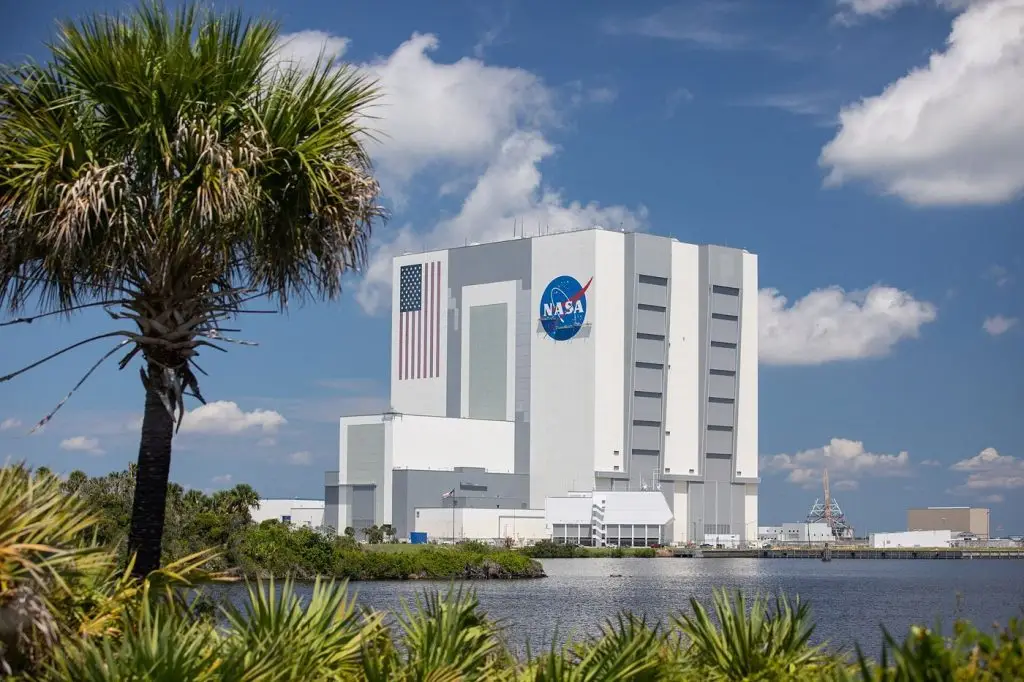
NASA does not have a net worth in the way a company does, because it is a United States government agency that is not for sale and does not earn profits for owners. The closest answer is its annual budget, which has been roughly $25 billion in recent years, plus the value of the property and equipment it holds. So when people ask what is the networth of NASA, the sensible response is to look at budget and balance sheet figures instead.
Budget versus net worth
These two ideas get mixed up all the time:
- Budget: money Congress appropriates for a year. For fiscal year 2024 the figure was a little under $25 billion, according to the agency’s own budget documents.
- Net worth or net position: assets minus liabilities, as shown on the agency’s financial statements.
Budget is a flow; net position is a stock. One tells you what NASA can spend this year, the other what it holds after subtracting what it owes.
What the agency actually owns
Federal agencies publish audited financial statements each year, and NASA’s include its property, plant and equipment. That includes:
- Launch and test facilities, laboratories and centres across several states
- Spacecraft, rockets, instruments and satellites in operation
- Land and buildings
- Equipment and supplies
Some famous items, such as moon rocks, are described as priceless or not valued on the books, so they are not part of any total. Older assets are recorded at historical cost less depreciation, which can understate their current worth.
The answer to what is the networth of NASA depends on the question
If you mean “how much does it cost taxpayers,” the budget figure is what you want. That works out to a small fraction of total federal spending, well under one percent in recent years. If you mean “what is it worth,” the question is odd, because the agency does not trade and its main output is science, exploration and technology, not revenue.
Where to find real numbers
The most reliable sources are NASA’s annual budget requests and its Agency Financial Report, which includes audited statements. The NASA website is the place to start: search it for the budget request and the Agency Financial Report, both of which the agency posts publicly.
Why numbers vary by source
- Different years: budgets change annually.
- Different scope: some sources include only the civil space agency, others add defence space programmes by other agencies.
- Different definitions: “cost” of a mission may mean development only, or include operations and launch.
The economic side
Studies have argued that NASA spending supports jobs, universities and private companies, and that technologies developed for space have found uses in medicine, materials and electronics. Estimates of the return on investment vary widely and depend on methodology, so be cautious with big claims on either side.
Commercial partners
In recent years, NASA has bought launch services and crew transport from private companies such as SpaceX and others, which changes the picture. A growing share of spending goes to contractors, and some of those companies are valued in the tens or hundreds of billions. But those valuations belong to the companies, not to NASA.
How to talk about it accurately
- Use “budget” for annual spending
- Use “assets” or “net position” for the balance sheet
- Check the fiscal year, since numbers change
- Avoid mixing NASA’s budget with the valuation of private space firms
A fair comparison
Comparing NASA’s budget with private companies is tempting but misleading. A company’s revenue is money customers pay, while NASA’s budget is a public appropriation. A better comparison is with other government programmes or with space agencies in other countries, where budgets are published in a similar way.
What drives the budget up or down
Budgets reflect political priorities: crewed lunar programmes, science missions, aeronautics research and technology development all compete. Congress sets the final number, and it can differ from what the White House requests. If you are tracking changes, compare the request and the enacted amount for each year.
Quick summary
- NASA has no market net worth or share price.
- Its yearly budget is about $25 billion.
- Audited statements list assets and liabilities.
- Always note the fiscal year.
This is general information about public finances, not financial advice.
Related reading: What Is Joseph Quinns Networth? Stranger Things Fame and Pay.