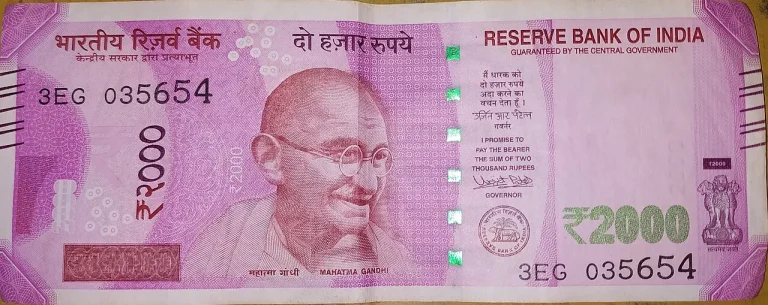
India is now one of the largest economies in the world, and many people ask for a single number to describe it. For what is the networth of india, there is no official “national net worth” figure of the kind published for some countries, but there are several useful measures and credible estimates. This guide explains them so that you can quote the right one.
The measures
1. GDP. The value of goods and services produced in a year. It is a flow, not wealth. 2. Household wealth. The assets of Indian households, such as property, gold, bank deposits, shares and pensions, minus debts. 3. Government balance sheet. Public assets and liabilities, including debt. 4. National wealth. A broader estimate that includes infrastructure, natural resources and business capital.
GDP for scale
India’s GDP is among the largest in the world. The International Monetary Fund reported it at around $4 trillion in 2025, making India the fourth or fifth largest economy depending on exchange-rate assumptions, and it has been one of the fastest-growing major economies. GDP is not wealth, but it gives a sense of scale.
What is the networth of india? Household wealth estimates
Official data on household wealth in India is less detailed than in some countries. The main estimates come from international research reports such as the UBS Global Wealth Report and its predecessor from Credit Suisse, which combine surveys, national accounts and models. Their estimates for India’s total household wealth have been in the range of low-to-mid teens of trillions of US dollars in recent editions, though numbers vary by edition and by exchange rate. Please check the latest report, because these are modelled estimates and are revised.
What Indian households own
- Real estate. Land and housing are the largest component.
- Gold. Households have historically held large quantities of gold, as jewellery and as a store of value.
- Bank deposits and cash.
- Equities and mutual funds, which have grown quickly in recent years as more people invest through systematic investment plans.
- Pensions and insurance, which are still smaller than in many developed countries.
Distribution
Wealth is unevenly distributed. Researchers at the World Inequality Lab estimated in 2024 that the top one percent held around 40 percent of national wealth in 2022 to 2023. The Hurun India Rich List and Forbes list the country’s billionaires, who number in the low-to-mid hundreds, and their combined wealth has risen sharply. The median adult holds far less than the average, which the high-end pulls upward.
Government finances
India’s central government publishes its budget and debt data. The general government debt, including states, has been reported by the IMF at around 80 percent of GDP. Government assets, including land, public-sector companies and infrastructure, are large, but a consolidated balance sheet is not published regularly in the way that household accounts are.
Why there is no single “net worth”
- Data gaps. Wealth surveys are infrequent, and informal holdings such as gold and unregistered property are hard to measure.
- Valuation issues. Land and gold values vary a lot.
- Currency. Rupee changes alter US dollar totals.
- Definition. Whether you include government assets, natural resources or human capital changes the answer by orders of magnitude.
Where to find reliable data
- The Reserve Bank of India for financial and household savings data.
- The Ministry of Statistics and Programme Implementation for national accounts.
- The IMF’s World Economic Outlook for GDP and debt.
- UBS Global Wealth Report for household wealth.
- The World Inequality Database for distribution.
How to cite it correctly
A careful sentence: “The IMF estimated India’s GDP at about $4 trillion in 2025, while the UBS Global Wealth Report has put household wealth in the low-to-mid teens of trillions of dollars.” Provide the report edition and year when you use it.
What to remember
When you see a headline giving a big number for a country’s “worth,” check which measure it uses and whether it is a stock or a flow. GDP and wealth should not be confused, and wealth estimates for countries with less complete data carry wider error margins.
In summary
For what is the networth of india, the clearest figures are GDP of around $4 trillion and modelled household wealth in the low-to-mid teens of trillions of dollars, with no single official national net worth. Use named sources, state the date and the measure, and be careful with currency conversions.
More to read
- What a Fifth Fund Tells You About a Venture Firm
- Venture Capital News: How to Read Funding Headlines
Image credit: iMahesh via Wikimedia Commons (CC BY-SA 4.0).