Many people assume that you cannot travel to Japan on a budget, but that idea is out of date. Japan can be done with careful planning, and a few habits make a big difference: where you sleep, how you move between cities and what you eat. Prices change and exchange rates move, so I will not quote figures. Instead, here is a practical framework you can apply to any trip.
Choose the right time to go
Flights and hotels cost more in cherry blossom season (late March to early April), during Golden Week at the start of May and in autumn leaf season. If you can, travel in early June, January or February, when crowds thin and rates often drop. Winter also offers snow, onsen visits and clear views of Mount Fuji. Rainy season in June is damp but cheaper, and many sights stay quiet.
Travel to Japan on a budget: cheap places to sleep
Accommodation is where many travellers save the most. Japan has a wide range of options for every wallet:
- Hostels: Clean, well run and often social, with private rooms available.
- Capsule hotels: A uniquely Japanese experience and often the lowest-cost private-ish bed in big cities.
- Business hotels: Small but efficient rooms, often near stations.
- Guesthouses and ryokan: Some rural ones offer fair rates, especially off-peak.
- Internet cafés: Last-resort cubicles, but they exist if you miss a train.
Staying near a major station saves both time and transport cost, even if the room is small.
Getting around on a budget
Trains in Japan are excellent but can be expensive for long distances. Before buying a rail pass, price your actual route, since the national Japan Rail Pass became more costly in recent years and does not always pay off. Regional passes for areas such as Kansai, Hokkaido or Kyushu may offer better value. Check the official JR sites for current prices.
Cheaper alternatives
- Highway buses and night buses: Slower than the Shinkansen but typically cheaper, and an overnight ride can save a hotel night.
- Low-cost airlines: Useful for long hops, for example to Hokkaido or Okinawa. Watch baggage fees.
- IC cards such as Suica or Pasmo: Tap in and out in most cities. They also work in many shops and vending machines.
- Walking and cycling: Many cities are compact enough to explore on foot.
Eat well without overspending
Food is the great budget advantage of Japan. A bowl of ramen, a set meal at a teishoku restaurant or a beef bowl at a chain is filling and affordable. Convenience stores, or konbini, sell onigiri, sandwiches and hot snacks of surprisingly good quality. Supermarkets discount their prepared foods in the evening. Lunch sets are usually cheaper than dinner at the same restaurant, so make lunch your main meal out. Tap water is safe to drink, so carry a refillable bottle.
Free and cheap things to do
Plenty of Japan’s best experiences cost little or nothing:
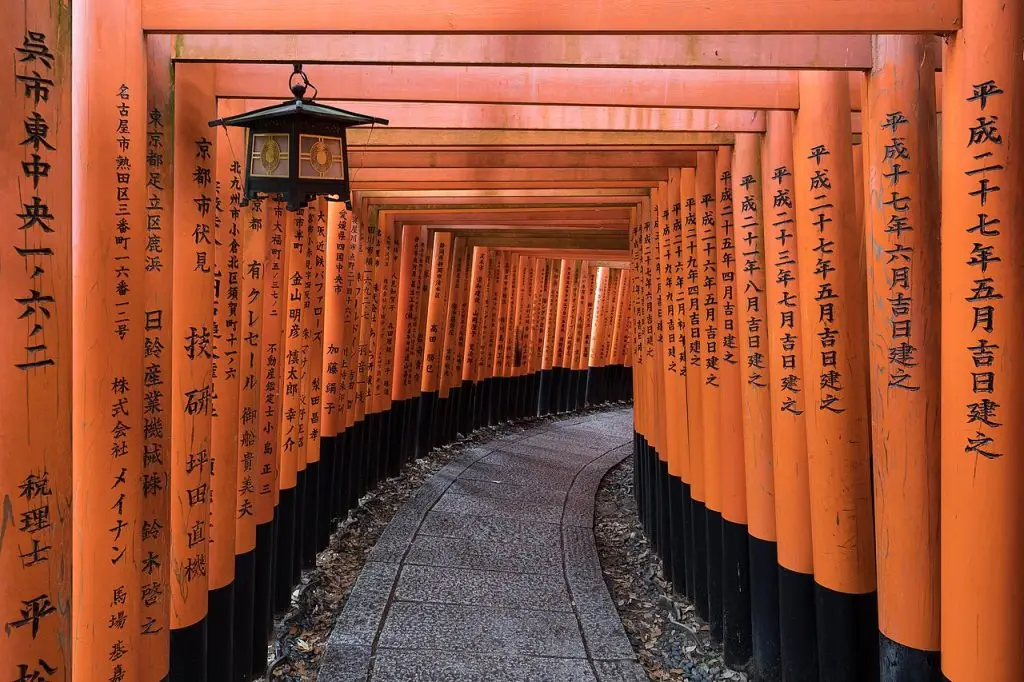
- Walking through shrine grounds and temple gardens, some of which are free.
- Wandering neighbourhoods such as Asakusa in Tokyo or Gion in Kyoto.
- Public parks, riverside paths and city viewpoints.
- Festivals and seasonal events, which often take place on the streets.
- Hiking trails in places like Nikko or the Kumano area.
Paid attractions add up quickly, so pick a few that matter most to you and enjoy the rest at street level. A 100-yen shop is also handy for essentials.
Smart planning habits
- Pack light. Coin lockers at stations are easy, but you will move faster with a small bag.
- Book flights early and consider flying into one city and out of another.
- Choose a mobile data eSIM or pocket Wi-Fi after comparing prices.
- Look into tax-free shopping rules, which exist for visitors, but check the conditions.
- Keep some cash, since small shops and rural areas may not take cards.
A simple budget route
Many first-timers choose Tokyo, Kyoto and Osaka, with side trips to Nara or Hiroshima. A slower plan with fewer stops usually costs less than a rapid tour, since long train rides add up. Spend several nights in each city and use local transport passes.
FAQ
Is a rail pass worth it?
Only if you plan several long journeys in a short time. Compare the pass with individual tickets first.
Is Japan safe for solo budget travellers?
It is generally regarded as very safe, but follow normal precautions.
Do I need Japanese?
Not really. Signs in major cities have English, and a translation app helps in smaller places.
Find more planning ideas on our travel advice pages. For official trip information, see the Japan National Tourism Organization site. With flexible dates and simple habits, you can travel to Japan on a budget and still see the best of the country.