If you are searching for things to do Prince Edward Island has plenty: red cliffs, quiet beaches, farm-fresh seafood and the world of Anne of Green Gables. Canada’s smallest province is easy to explore by car, and a few days is enough to get a real feel for it. This guide covers what to see, how to get there and how to arrange your days.
Getting to the island
You can fly into Charlottetown, drive over the Confederation Bridge from New Brunswick, or take the seasonal ferry from Nova Scotia that crosses between Caribou and Wood Islands. The bridge is a famous sight in itself and one of the longest of its kind over ice-covered water. Check the official ferry operator and bridge websites for current schedules and fares before you plan your route.
Once on the island, a car is by far the easiest way to get around. Public transport is limited outside the main towns, so rent a vehicle if you want to see the coast.
Top things to do Prince Edward Island visitors enjoy
Walk and swim on the north shore
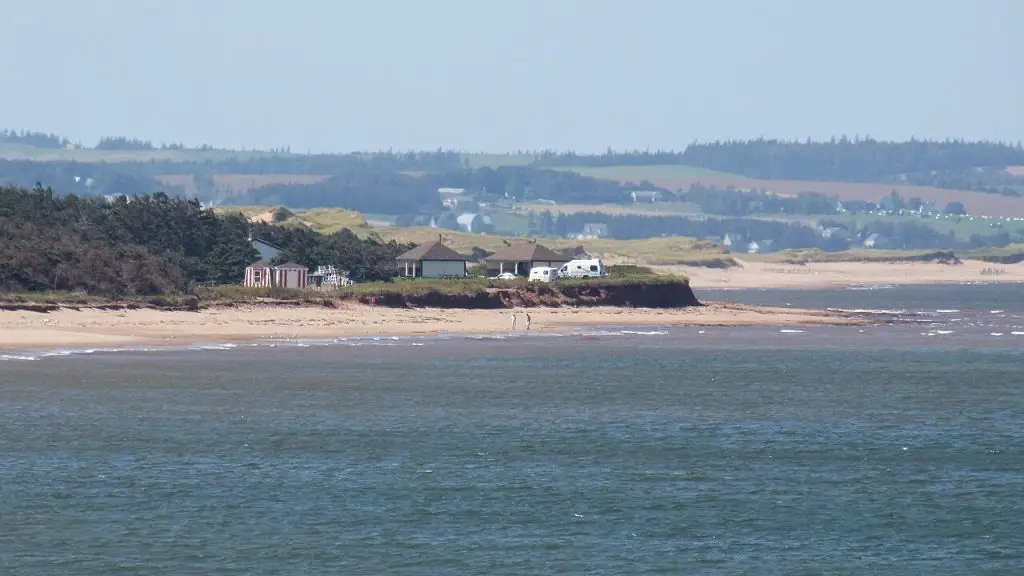
Prince Edward Island National Park runs along much of the north coast and includes dunes, sandstone cliffs and long stretches of sand. Cavendish Beach is the best known, but quieter spots along the same shoreline are rewarding. The island’s red sand comes from iron-rich sandstone, and it looks especially vivid at sunset. Water temperatures are best in the height of summer, but even then the Gulf of St. Lawrence can feel cool.
Meet Anne of Green Gables
Lucy Maud Montgomery’s novel made the island world famous. In Cavendish, you can visit the house that inspired the setting, and the area has walking trails linked to the stories. Many visitors who have never read the books still enjoy the scenery and the museum-style displays. Check the official site for opening dates, as some attractions close outside the main season.
Explore Charlottetown
The provincial capital has a walkable waterfront, historic streets and plenty of restaurants. It is known as the birthplace of Confederation, as delegates met here in 1864 to discuss uniting the colonies. Walk the harbour, browse small shops and stop for seafood in the evening.
Eat the island’s seafood and produce
Lobster suppers, mussels, oysters and potatoes are the headline foods. Many communities hold lobster suppers in church halls or dedicated restaurants during summer. Prices vary, so look at menus on arrival. Farmers’ markets are good for picnic supplies and local baked goods.
Drive the scenic routes
The island has several signed touring routes. The Central Coastal Drive covers the north shore and Cavendish area, the North Cape Coastal Drive follows the west, and the Points East Coastal Drive loops the eastern end. Pick one or two, and leave time to stop at lighthouses and fishing villages.
Visit lighthouses
The island has dozens of lighthouses, and many are photogenic. Cape Tryon, West Point and East Point are often mentioned. West Point offers one you can visit and, in some seasons, stay near, but check details in advance.
Go cycling
The Confederation Trail follows a former railway line across the island and is popular with cyclists and walkers. It is gentle, mostly flat and passes through small towns, farms and woodland. Bikes can be rented in several places.
A sample three-day plan
- Day one: arrive, explore Charlottetown on foot, dinner by the harbour.
- Day two: drive to the north shore, spend the morning in the national park, visit Green Gables in the afternoon and finish with a lobster supper.
- Day three: choose a coastal drive, stop at lighthouses and fishing towns, then continue towards the bridge or ferry.
Best time to go
July and August are the warmest and most lively months, with all attractions open. June and September are quieter and often pleasant, though some seasonal businesses start late or close early. Autumn colours add a soft, golden feel. Winter is cold and many tourist services are closed, so most visitors come in the warmer months.
Practical tips
- Book accommodation early for July and August, as the island is small and popular.
- Bring layers. Sea breezes can make evenings cool.
- Fill the fuel tank in towns; some rural stretches have few stations.
- Check the weather before heading to the cliffs, and keep to marked paths since the red cliffs are soft and erode.
For help choosing your route, our general travel planning guides give extra ideas. The official Tourism PEI website lists current events and opening dates.
Frequently asked questions
How many days do I need?
Three days covers the highlights. Five days lets you slow down, cycle and visit the east and west ends.
Do I need a car?
Almost certainly, unless you plan to stay only in Charlottetown or cycle.
Is it good for families?
Yes. Beaches, farm visits and the Anne stories suit children, and distances are short.
Whatever mix you choose, the best things to do Prince Edward Island offers are simple ones: walk a beach, eat seafood, drive slowly and enjoy the pace.