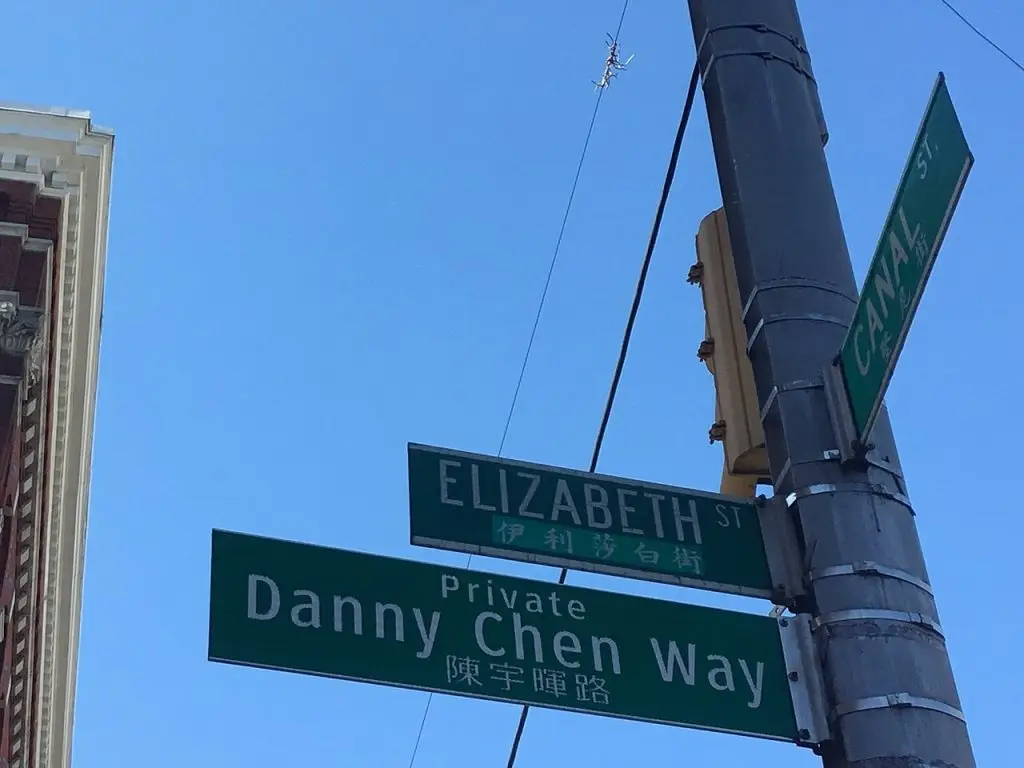
The best things to do in Chinatown NYC are mostly about walking and eating. Manhattan’s Chinatown is one of the largest and oldest Chinese communities in the Western Hemisphere, packed with bakeries, markets, tea shops, herbalists and dumpling counters. Give yourself two to three hours at least, come hungry and bring a little cash. This guide is arranged as a walking route.
Getting there
Chinatown sits in Lower Manhattan, between the Lower East Side, Little Italy, SoHo and the Civic Center. The Canal Street station (served by several subway lines) is the main entry point. The Grand Street and Chambers Street areas also work. From the Brooklyn Bridge on the Manhattan side, it is a short walk. Check the MTA website for any service changes.
Start: Columbus Park
This small park is where the neighbourhood gathers. In the morning you will often see locals playing cards, practising tai chi or listening to traditional music. Watch respectfully from a distance, and ask before taking photos of individuals. It is one of the most atmospheric places in the area.
Eat your way along the streets
Dumplings and noodles
Chinatown is known for cheap and filling dumplings, pan-fried buns, hand-pulled noodles and soup dumplings. Small counters on Mott, Bayard and Doyers streets are good places to start. Look for busy shops with short menus. Many places are cash-only or have card minimums, so check before ordering.
Bakeries
Bakeries sell egg tarts, pineapple buns and steamed buns for a small price. They are ideal for a snack as you walk. Fresh egg tarts are best eaten warm.
Dim sum
Traditional dim sum restaurants serve small dishes from carts or by order, usually in the morning and early afternoon. Go with a group to try more dishes. Expect weekend waits, so arrive early or look at the restaurant’s reservation policy.
Ice cream and sweets
You will find ice cream shops offering unusual flavours such as black sesame, lychee and red bean. There are also bubble tea shops on nearly every block.
Markets and shopping
The fish, fruit and vegetable markets along Canal Street, Mott Street and Grand Street are lively, loud and fascinating. You will see produce you may not recognise, live seafood and shoppers bargaining. Tea shops and herbal medicine stores are also worth a look. Prices at souvenir shops vary, so compare before buying. Be wary of counterfeit goods sold along Canal Street, which is illegal in many countries to bring back. Check your home country’s customs rules.
Small sights
- Doyers Street: a short, curving lane with a dramatic history and now a mix of restaurants and shops.
- Mahayana Buddhist Temple: a large temple near the Manhattan Bridge. Visit respectfully and check the opening hours.
- Museum of Chinese in America (MOCA): a museum devoted to Chinese American history. Check the official site for current hours and exhibitions.
- Manhattan Bridge arch and colonnade: a grand entrance structure at the edge of Chinatown.
More things to do in Chinatown NYC: nearby areas
- Little Italy: now small, but the streets near Mulberry still have a few old Italian restaurants and cafés.
- Lower East Side: Jewish delis, bars and the Tenement Museum are a short walk east.
- SoHo: cast-iron buildings and shopping lie to the northwest.
- Brooklyn Bridge: walk from the Civic Center across to Brooklyn for the skyline.
Tips for visiting
- Bring cash. Many small vendors do not accept cards.
- Sidewalks get crowded on weekends, so keep an eye on your bag.
- Morning or early afternoon is best for dim sum and markets.
- Walk away from Canal Street’s tourist stalls to find calmer, more local streets.
- Wear comfortable shoes and keep your phone charged for maps.
- Look for Lunar New Year events if you travel in late January or February, when the neighbourhood holds parades and festivities. Check the official dates, which change each year.
Good to know before you go
Chinatown is not a single culture. Alongside the long-established Cantonese community, you will meet Fujianese and other regional traditions, which shows in the menus. If you cannot read a menu, point at what a neighbouring table is eating or ask for a recommendation. Staff are generally happy to help, even if the conversation is short.
Food allergies deserve care: peanuts, shellfish, soy and wheat are common ingredients, and kitchens are small, so cross-contact is possible. Say clearly what you cannot eat and, if in doubt, choose something simpler. Vegetarian options exist, such as tofu dishes, vegetable dumplings and scallion pancakes, but check whether broth or fillings contain meat.
Finally, the area changes with the time of day. Mornings belong to market shoppers and card players, lunchtime to dumpling queues, and evenings to restaurants and lanterns. If you can, visit at two different times to see both faces.
A quick three-hour plan
- Hour 1: Columbus Park, Doyers Street and a bakery stop.
- Hour 2: dumplings or noodles for lunch, then a walk through the markets.
- Hour 3: MOCA or the Buddhist temple, then dessert.
For official visitor information and events across the city, see NYC Tourism. If you are choosing between several things to do in Chinatown NYC, pick food first, then wander. The neighbourhood makes the most sense when you are hungry and not in a hurry.
Photo: Kidfly182, CC BY-SA 4.0, source.