Training and running AI models takes graphics processors, and graphics processors are expensive, scarce and fussy to operate. That simple fact created room for a class of smaller cloud companies built around renting GPUs by the hour to developers, researchers and small teams. Some of these startups began almost as hobby projects, built by people who needed compute themselves, and found that plenty of others had the same problem. Understanding how they work tells you a lot about where AI development actually happens.

The problem they solve
A large cloud provider can give you a GPU, but getting one is not always simple. You may face quotas, approval steps, minimum commitments and a menu of instance types designed for big enterprises. For a student fine-tuning a model on weekends, or a three-person startup testing an idea, that friction is a real obstacle.
GPU-focused clouds strip the process of renting GPUs down. You pick a card, pick a template with the software already installed, and pay by the second or hour. When you are done, you shut it down and stop paying. That pay-as-you-go style fits the uneven way people actually experiment: a burst of heavy work, then days of nothing.
How renting GPUs turns into a business model
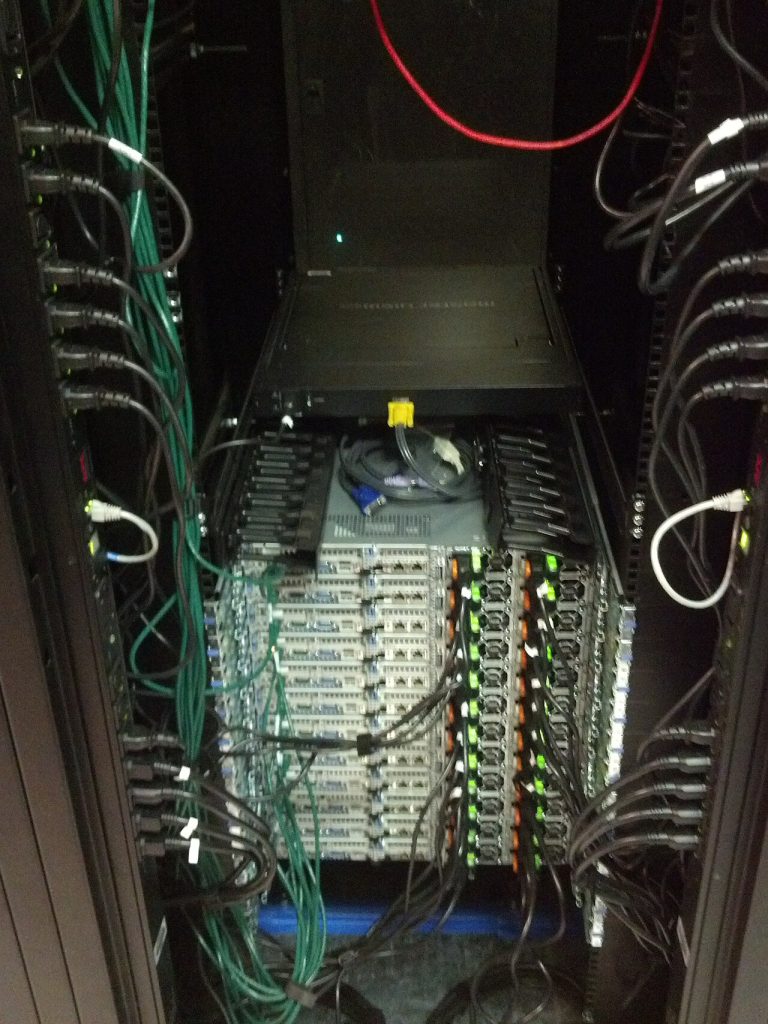
The core idea behind renting GPUs is simple: buy or lease hardware, then rent it out at a margin. The provider buys or leases GPUs, places them in data centers, and sells access. Some also aggregate capacity from other data center operators, offering a marketplace feel. Revenue comes from usage, so growth tracks how much compute customers consume.
A few product choices shape the experience:
- On-demand instances you can start and stop any time
- Serverless endpoints that scale up when a request arrives and scale to zero when idle
- Persistent storage so your data survives between sessions
- Pre-built templates for popular frameworks and model tools
- Reserved capacity for steady workloads at a lower price
Serverless inference is worth a closer look. Instead of paying for a GPU that sits idle waiting for traffic, you pay only while requests are processed. The trade-off is cold starts: the first request after a quiet period may be slow while the model loads.
Why community mattered
Developer tools often grow through word of mouth, and AI infrastructure is no exception. Forums, discussion boards and social channels are where people compare notes on which provider is cheapest for renting GPUs to run a certain model or which setup avoids a pesky driver problem. A company that shows up helpfully in those places can earn trust that advertising cannot buy. Early users also give blunt feedback, which tends to improve a product faster than formal research.
The flip side is that community trust is fragile. If prices jump without warning or reliability slips, the same forums turn quickly.
What to check before renting GPUs from a provider
Price per hour is the number everyone compares, but it is rarely the only number that matters. Check:
Availability. A cheap card that is always sold out is not cheap. Look at how reliably you can get the type you need, particularly at busy times.
Data and networking costs. Some providers charge for moving data out, or for storage you forgot about. A model checkpoint measured in tens of gigabytes adds up when you keep many of them.
Reliability and interruption rules. Lower-priced instances can sometimes be interrupted. That is fine for a job that saves progress regularly and a disaster for one that does not.
Security and isolation. If you handle sensitive data, ask where the hardware sits, who can access it and how workloads are separated. Shared or community-hosted machines may suit public experiments better than confidential material.
Support. When something breaks at two in the morning before a deadline, a human who answers is worth a lot.
Risks for the providers themselves
Renting GPUs is a tough business. GPUs are costly, and the hardware generation changes quickly, so older cards lose value fast. Providers have to keep their machines busy to recover costs. They also compete with giant clouds that can cut prices, and with the chip makers’ own ecosystems and specialized AI chips built for one job. For companies renting GPUs out, utilization, the fraction of time hardware earns money, is the number that decides whether the model works.
Customer concentration is a risk too. If a few large customers account for most usage, losing one hurts. Many of the biggest buyers are AI labs, and how those labs raise money has a direct effect on how much compute they can afford. And demand for AI compute swings with fashion: a popular open model can send workloads surging, and a quiet quarter can leave capacity idle.
What it means for builders
For anyone building with AI, the rise of services for renting GPUs is mostly good news. Renting GPUs lowers the cost of trying things. You can test a fine-tune over a weekend for the price of a few coffees, which was impractical not long ago. It also pushes bigger providers to simplify their own offerings.
A practical way to start renting GPUs is to benchmark. Run the same small job on two providers, note total cost including setup time, and compare. The cheapest hourly rate sometimes loses once you count the minutes spent fighting configuration.
Final thoughts
GPU clouds show that infrastructure for a boom does not have to come from the biggest names. A clear need, a tight product and an engaged community can build a serious business around something as plain as renting GPUs to strangers by the hour. If you are choosing one, think about your workload first, price second, and always shut the machine off when you finish.